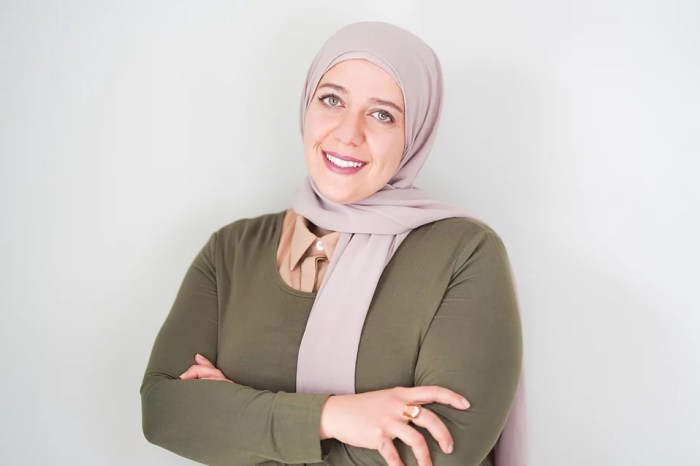
HIGHLIGHTING DISABLED VOICES IN BOOKS AND WHY REPRESENTATION MATTERS: FEATURE INTERVIEW WITH KATIE MAZEIKA, CONDUCTED BY KIDLIT AUTHOR AND LITERARY BLOGGER, CHELSEA DICICCO

In today’s Feature Interview, I’m talking with traditionally published, award-winning author/illustrator Katie Mazeika. We’ll be discussing the importance of highlighting disabled voices in books and why representation matters.

FEATURE INTERVIEW QUESTIONS

Katie, welcome to Chelsea’s World of Books Literary Blog. It’s great to have you with us! Where are you joining us from today?

I’m in Ohio, just east of Cleveland, in a little city on the lake called Mentor.

How were you first introduced to the blog and the Feature Interview series?

You’ve interviewed several authors I know from promo groups or events. I’m sure it was through one of those shared interviews that I first became aware of your blog.

One of the things we love to discuss here on the blog is how. Could you tell us more about the events that led up to you joining the world of kidlit publishing?

Absolutely! I studied illustration at the Columbus College of Art and Design with the intention of pursuing editorial illustration after graduation. But at some point in my Junior or Senior year, I was introduced to picture book illustration and fell in love. After school, my focus was on illustrating for the children’s market.

Since you are both an author and illustrator, could you tell us which came first? Did your career start out with you querying projects as both author and illustrator, or one or the other? Explain.  

In high school, I was torn between going to college for writing or for art. My compromise was a degree in illustration with a minor in creative writing. So initially, I pursued both. But my first agent, and my first jobs, were as an illustrator only.

While we’re in the territory of querying… could you tell us more about your querying journey and how you came to find your agent?

I started with an illustration agent at a large agency that wasn’t a great fit. After about fifteen months with them, I was dropped. Fortunately, I was picked up by a much smaller illustration agency fairly quickly. I really liked the people at the second agency, but the owner became ill, and less than six months later, it closed. I knew I couldn’t query the same illustration agents again, so I was at a loss. That was when an author/illustrator friend suggested writing my own texts and querying as an author/illustrator. So, I wrote my first manuscript, which eventually became Annette Feels Free, and sent out my first queries. At the same time, I participated in #DIVPIT (Diversity Pitch) on Twitter and got a few responses. One of those was my agent, Sorche Fairbank. (FYI-#DIVPIT still exists, it’s just moved to Discord.)

What are some key things an author or illustrator should look for when deciding on an agent relationship? What are some green flags? And what are some red flags?

With my first agent, looking back, there were a lot of red flags. I was never allowed to communicate directly with Art Directors; everything talked about went through the agent. Getting paid was a battle. When I was in NYC, I asked to come by their office for a meeting, but it was very unclear where the office actually was. They asked me to meet in a coffee shop instead. I think the biggest red flag was emails that were never acknowledged. Artwork I sent in again and again that was never added to the website. There was often a general tone that I was bothering them and they had better things to do. But this was my first agent. I assumed this was normal and tiptoed around them. After comparing notes with other agented illustrators, I realized that relationship wasn’t typical. When they dropped me, I was surprised-I’d been booked pretty steadily and done four or five jobs through them, but in the end it worked out for the better.

Looking for an agent a second time, I was much pickier. I went through their social media, going back three to five years. I took note of who was announced as recently signed. Then I looked to see how many of those illustrators were still with that agency. If more than a handful of artists were gone after three years, then I didn’t query that agency. That crossed a number of agencies off my list, but it helped me find my second agent. I imagine I would still be there today if the agency hadn’t closed.

When I signed with Fairbank Literary, I had another offer from an illustration agency, but after a phone call with Sorche, I was eager to work with a literary agent and to write as well as illustrate. I know some creators who almost seem to be afraid of their agents. I was one of them with my first agent. But I’ve learned that fear isn’t conducive to creativity. It should be a partnership, with respect and boundaries that go both ways.

For someone who may be on the fence about whether or not to pursue representation, what are some reasons why you chose to find an agent?

Unfortunately, a lot of publishers only accept agented submissions. And I really value having someone go line by line through my contracts explaining what each clause means for me and my book, before I sign.

What would you say makes a great author/illustrator and agent relationship, from both sides?

Like I said before, it should be a partnership, with respect and boundaries that go both directions. I often bounce ideas off Sorche very early on, and I trust her to be very straight with me about whether I should keep going. I know she has an uncanny business sense and a great feel for the market. She’s always straight with me about whether an idea is worth pursuing. I also know that I can be direct with her; there’s no tiptoeing or playing games.

What’s something that you didn’t know when you started out that you do know now (and maybe wish you had known sooner)?

I think everyone assumes the work is done when you have the first book published. And what I realized is that it’s just the beginning. From there come the promotions and events. At the same time, you are working on your next project.  It’s a lot of plates in the air. The risk of burnout is very real, even more so for author/illustrators. So, I have to remind myself to slow down and breathe.

I was so excited to see that all of your books (the ones you’ve written) include curriculum guides. As a former children’s librarian and current word nerd, I’m a big fan of educational resources with books, and love promoting these added free resources on my Teacher Corner for educators, parents, and librarians. I’d love to hear more about some of the resources/extras that you have to offer.

With Annette Feels Free and Beulah Has a Hunch, the curriculum guides offer the opportunity to go deeper into the subject matter and learn even more about these fantastically interesting women. 

For my recent book, Maybe Just Ask Me, the curriculum guides focus more on building empathy and understanding about disability and differences. 

As a disabled person and a writer, I understand that highlighting disabled voices in books is something near to your heart. Could you share more on this and why representation in books matters?

The reason is twofold: every child should see themselves represented in a book. Being a part of the story is incredibly validating and confirms that they are not alone. At the same time, non-disabled readers need to see disabled characters in the books they read. We need to normalize differences and be comfortable with talking about them. Disability is not a bad word, but when we teach kids to pretend it doesn’t exist, we are teaching them there is something bad or scary about disability and disabled people. 

I love this answer and couldn’t agree more!

Speaking of books, let’s talk about them! Could you tell us briefly about some of your stories and what they highlight?

Annette Feels Free is a biography of Annette Kellerman, who started as a dancer when she was a child but developed polio and was unable to continue dancing. She discovered swimming and became a world champion swimmer, a performer and movie star, and designed what later became the modern swimsuit. She even went to court to fight for women’s right to wear that suit.

Beulah Has a Hunch! is about Beulah Louise Henry, the most prolific female mechanical inventor in the US. What’s so unique about her is that she had no traditional education, only finishing school. She was so intelligent and passionate that she figured out the mechanics of how things worked|. She used the success of her first invention to pave her own path and created a name for herself in a time when few women had careers, let alone owned multiple businesses. I also focused on her neurodivergence, specifically Synthesia and hyperphantasia. 

Maybe Just Ask Me! is based on my own childhood, specifically returning to school after losing my eye to cancer. It was difficult to feel gawked at and to have students talk about me, but not to me. Unlike the main character in the book, I was not brave enough to speak up for myself and to advocate for my story to be heard. Mazie is who I wished I could have been back then, someone who is open about her disability. I hope that she can be an inspiration for children with disabilities and encourage children without disabilities to pursue curiosity with kindness.

“Unlike the main character in the book, I was not brave enough to speak up for myself and to advocate for my story to be heard. Mazie is who I wished I could have been back then, someone who is open about her disability. I hope that she can be an inspiration for children with disabilities and encourage children without disabilities to pursue curiosity with kindness – Katie Mazeika

I understand you’ve been able to participate in several community events as well as industry speaking/social engagements with your books. I’d love to hear more about these!

I have been very fortunate; I’ve participated in national panels on disability representation in books at NCTE, ALA, and SCBWI, as well as in local panels at several book festivals. I’ve also presented individually on disability representation in children’s books at several state library conferences. This is a topic very close to my heart, and I’m always thrilled to see how many attendees are also passionate about disability representation in children’s books.

I also do school and library visits, and love interacting with the kids, answering their questions, and creating with them. I have a character writing and illustrating workshop that I do. The kids always come up with the most fantastic characters. They’re so imaginative. It’s one of my favorite programs to hold.

Have you had any notable/special experiences or moments with readers/fans/fellow writers/illustrators during these events? We love to hear the positives, so if you have more than one, feel free to share multiple!

The very first school visit I did for Maybe Just Ask Me, there was a boy in the audience wearing an eyepatch like Mazie. He was hugging a copy of the book throughout the whole presentation. Seeing him holding the book and grinning because he felt seen made me tear up. Afterward, I signed his book and spoke to him. His teacher was at a book festival I was part of a few days later. She told me that was all he talked about all week. More tears. That was the whole reason for writing the book: to make children feel represented and seen. 

The feedback from librarians and teachers that Maybe Just Ask Me! connects with their students, and that the book opens doors for conversations, reminds me why I create books. This book, in particular, opened old wounds for me and was really hard to write; those responses make it feel worth it. 

What is your big WHY for writing? What does it bring you?

I never felt seen in stories. There were really no disabled characters or scenes in hospitals. The one book where I saw myself was Madeline. I cherished that story and wished there were more like it. I see writing as an opportunity to create characters and share stories so readers with disabilities do not feel alone or forgotten. Like I said, it’s hard to do this sometimes. There are parts of growing up with a disability that I did not fully work through until writing these books. But when I see children able to own their disability and get excited about seeing themselves on the page, it reminds me that I am doing it for them and to honor my younger self. 

“I never felt seen in stories. There were really no disabled characters or scenes in hospitals… I see writing as an opportunity to create characters and share stories so readers with disabilities do not feel alone or forgotten.” – Katie Mazeika

What’s one piece of wisdom that you’d like to offer to fellow kidlit writers/illustrators?

It’s a marathon, not a sprint. Keep moving forward, even when it’s hard; you only fail when you give up. And learn to celebrate all the wins (big AND small!). 

Thank you so much, Katie, for joining us on the blog today. It’s been a pleasure chatting with you and getting to know you a little better. Thank you for all that you do to provide disability representation in children’s books, as well as the resources you offer to families, educators, and librarians.

Now it’s time for a GIVEAWAY!

GIVEAWAY PRIZES:

For the month of October, Katie is offering two prizes to two winners (1 prize per winner). Prize 1: a signed copy of one of her books. Prize 2: A 20-minute ask me anything call.

HOW TO ENTER THE GIVEAWAY

Share a link to the Feature Interview on X (during the corresponding month/year) and tag me @chellysbooks. Want extra entries? Repost my Feature Interview post on X. Don’t have X? Drop a comment at the bottom of the interview.

DEADLINE TO ENTER: LAST DAY OF THE MONTH AT 11:59 PM CST.

Did you enjoy this interview?

Thank the author & host by purchasing or reviewing a copy of one of their books or by requesting it be purchased by your local school or library! Using the sponsored links below to purchase also helps support this blog.

Purchase a copy of ADHD and Me HERE

Purchase Maybe Just Ask Me HERE

Find more of Katie’s books on her website!

AUTHOR BIO + HEADSHOT + WEBSITE

Katie Mazeika is an award-winning author and illustrator who can’t imagine a better job than making books. She loves creating stories based on real people and events. Katie is passionate about highlighting disabled voices in her work. Katie strongly believes all children should see themselves in books.

Connect: Instagram:kdmazart X:kdmaz

FB:Katie Mazeika

Website: http://www.katiemazeika.com

SEPTEMBER 17TH, 2025 FEATURE INTERVIEW WITH READING SPECIALIST, LITERACY COACH, AND KIDLIT AUTHOR, CHRISTINA SHAWN, CONDUCTED BY KIDLIT WRITER, BLOGGER & FORMER LIBRARIAN, CHELSEA DICICCO: HOW TO WRITE STORIES THAT MAKE YOUNG READERS FEEL SEEN, HEARD, AND UNDERSTOOD

In today’s Feature Interview, I’m chatting with reading specialist, literacy coach, and kidlit author, Christina Shawn! We’ll be discussing ways to create confident readers and how to write stories that resonate with kids while capturing the magical moments in everyday life.

Christina, it’s so wonderful to have you with us today. Can you share with our readers where you’re joining us from?

Hi Chelsea. I am thrilled to be here. I am joining in from my home in Richmond, Virginia.

I was thrilled to see your application come in last year for the 2025 Feature Interview lineup, and have been warmly anticipating our conversation. Could you share how you found out about the Feature Interview segment and what made you want to apply?

I first became familiar with you through your social media presence on (I think) Twitter / X. I could relate to so much of what you shared, and I found you to be so supportive of the writing community. Plus, you had me at “World of Books!” From there, I began reading your thoughtful and thorough interviews.

I loved reading about your connection to the world of literacy, not only as a writer, but also as a reading specialist and literacy coach. Can you tell us more about this? What ages do you primarily work with? Is it independent, or do you work with a school and/or another organization? 

I love to teach reading. I began teaching middle school reading and then became a literacy coach in public preschool classrooms through a grant system that supported teachers and students with materials, classes, and coaching. I learned so much and felt like we were all making a big difference. Then, when I was staying home, raising my children, I began writing children’s books. I love that now, the books allow me to go back into the classroom and work with teachers, students, and parents to once again build literacy skills. Oftentimes, parents don’t realize how much they are already doing to help grow readers, and I love sharing easy-to-apply tips and tricks with them. I love working with children in the classroom in small groups and with full auditoriums. I feel like the timing is just right to bring all of these elements together to once again try to make a difference through early literacy. 

How did you wind up in the world of kidlit publishing? 

When my children were little, I was implementing much of what I knew about literacy into our everyday lives, and part of that was reading a ton of books and making up songs and stories for them. Eventually, I think my brain just began thinking that way, and one idea turned into my first (self-published) book, LUCAS PLAYS. After working on that project, I realized how much I love unpuzzling words and creating meaningful and entertaining stories. I wanted more. So I began taking classes, and I joined writing communities like SCBWI and 12×12.

What kind of work were you doing prior to writing, and/or are you still doing now?

Writing has always been at least a small part of my work. I was a middle school English Teacher / Reading Specialist, Literacy Coach, and, before that, I was the Community Relations Manager for Barnes & Noble. 

We’d love to hear more about your publishing journey! When did your writing begin? 

I wrote my first picture book, LUCAS PLAYS, in 2016 and self-published it for my family. During that process, I did a lot of research about self-publishing vs. traditional publishing. Ultimately, I didn’t want to wait to see this book, and I only had the one manuscript, so I self-published. But once it was out in the world, and I was able to go back into classrooms to share it, I was hooked. I wanted to do more, so I signed up for a local writing class, joined 12×12, and dove headfirst into the kidlit world.

What genres and age groups do you write for? And how do they differ from each other?

Picture books are my sweet spot. All of my published and pre-published books are for a target age of 3-6. I also have an early reader series for 5-8 year olds that is on sub (and this really appeals to my reading specialist heart), so I hope it gets published one day. 

I am also working on two mid-grade novels that are far more time-consuming and adventurous for me. But I love them both dearly. 

Like me, your publishing journey started on the indie side of things, prior to traditional publishing, with the publication of your first book, PB, Lucas Plays. Since you have experience on both sides of this publishing terrain, could you share a little with our readers about what the differences between the two have been? Traditional VS. Indie, representation vs. no representation, and the pros and cons of both?

Absolutely! I love that I have experience with both Traditional and Indie publishing. Indie publishing is definitely faster, and the author has more creative control. Traditional publishing takes TIME and patience, and often agents, publishers, artists, editorial teams, and marketing teams that are also working on lots of other projects. The reach of traditional publishing has been wider for me, though. When AND THEN CAME YOU was published (traditionally), it stirred a renewed interest in LUCAS PLAYS as well, so that was a really nice bonus.

After publishing independently, what made you decide to pursue traditional publishing? Explain.

Once I decided to write more books, I wrote a LOT of manuscripts. So I wanted an agent who could represent a full body of work and become a career partner. I wanted the experience of publishing with multiple publishing houses and building relationships with editors and artists. I really like being part of a team.

Now, you’re represented by Liz Nealon at Great Dog Literary. And you have a new book that just hit the shelves this year, and another on its way in the fall of 2026. What an exciting time! But before we get into that, could you share how you found your agent match?

Yes! It is a really exciting time! Connecting with Liz Nealon was one of those perfect timing moments. I had been in the query trenches for a while but had never queried her before (I think she had been closed to queries) but my friend, who she represented, thought we’d be a good fit and connected us, so when I received the publication offer for NO LOVE POTION through a Twitter / X pitch I took a chance and reached out to Liz. We hit it off immediately, and the rest is history. Liz is an amazing agent. She is thorough, professional, kind, experienced, and so smart. 

For readers who are not yet at this step in their journey but are actively pursuing representation, could you walk us through your agent call? 

Liz set up a call after reading my submitted manuscript. Then she requested more, and we set up a second call. On our calls, we talked about my specific manuscripts as well as my big picture goals for my writing career. We discussed my background in children’s literacy and also her background at Sesame Street. (How cool is that?) I was surprised and delighted by the parts of my writing that Liz felt drawn to, and I knew that not only were we on the same page, but this partnership could be a really special one. 

What made Liz stand out to you as someone who was the right fit for you/your project?

Honestly, she loved my least commercial manuscript the most. The one that had the most personal risk in it. I knew she saw me. And if she loved that story along with my “safer” manuscripts, then she understood me and my writing goals. I trusted her immediately and continue to feel safe and confident with her representing my work. 

For our readers who may be anxious about the call, what advice do you have?

Be your whole, honest self. It is often our quirks that help us know if we are a good fit or not. Respect yourself and your work enough to choose only the best person for you, and trust your gut.

Are there any specific questions you suggest asking an agent on the call? These could be questions you asked, or questions you wish you had asked!

How do you prefer to communicate? Some agents call, email, or text. Some don’t communicate much at all. Some keep shared Google Sheets of all your subs, some email updates, and some only update once a month or with “good” news. I think it’s important to see if your communication styles are compatible and ask for what you need in order to feel good about your partnership.

Now let’s talk about debuts! As you know, debuting authors have a LOT going on. Could you share a little bit about your exciting year and the time leading up to it? What kind of things did you do to prepare for your big book debuts? Have you been able to participate in any in-person/virtual author events for local vendors, libraries, schools, bookstores, and other organizations?

During the 4.5 years between the publication offer and the publication, I thought about this release a LOT. I added interviews (like this one), podcasts, and announcements to my calendar. I was even on the local news! (You can find links for them on my website and Linktree.) I booked school events, in-person bookstore events, and even a presentation with the Virginia Association for the Education of Young Children. On the day my book released, I hosted a launch party for my friends and family and relished in the celebration with my loved ones. The launch of AND THEN CAME YOU feels huge to me. It is the first traditionally published book of mine, and there are more to come. It feels like the start of something really special.

What have been some of the biggest publishing surprises? 

Probably the best surprise was when Chronicle Books asked me to do a signing at ALA 2025 with Rebecca Stead!!! 

What’s something you know now that you didn’t know before, and wish you had known sooner?

The way your book is coded in the system dictates whether bookstores will stock it. There is little we can do to control these codes.

What are some writing tips/resources that have helped you? This could be organizations/events/contests/etc. 

My critique partners and writing friends are so important to me. I grow as a writer when we critique each other’s work and when we brainstorm together. They are also the absolute best support on this publishing rollercoaster. 

I also LOVE contests. They are a fun and low-pressure way to push my creativity with almost immediate opportunities to share my work and read my friends’ and colleagues’ entries.

Fun fact: My next picture book, NO LOVE POTION (The Little Press, Fall 2026), began as a contest entry.

Let’s talk about the writing! You mentioned in your application that you enjoy writing stories that capture the magical moments of everyday life. Can you tell us more about this? 

I write to process what I feel and to create new worlds and characters because it is so much fun. I don’t usually have a plan. Once I step into that creative space, the story guides me. I find that what is most magical to me is leaning into the everyday. How each blade of grass is a different green, or how the scent of the air is different before it rains. How a person can feel two (or more) feelings at once (and how that’s okay). And how love looks and feels different from every angle. 

I really love the way you described writing stories that make kids feel seen, heard, and understood. Can you share some of the ways that you’re able to do this?

I was a really BIG feeling kid, and I could not make sense out of all that I seemed to know without being told it was true. In fact, I was often told that what I observed or felt was not true, and this confused me as a child. It confuses me a bit as an adult too, but much less. I liked books with complicated emotions and messy characters. I like to write those books now. I want to honor the kids who are trying to figure out the world around them and let them know they are not alone. 

Speaking as a writer and literacy coach, what are some tips for creating confident readers? How can we offer kids aid and build up that confidence?

I could talk all day about this! I’m actually presenting a workshop for parents this fall on exactly this. I like to help parents and teachers notice the ways they are already supporting literacy (often without even realizing it) and help them to be intentional about it. There are so many ways to incorporate early reading skills into everyday life. Just a few examples are sorting socks (yes, socks) or utensils. Sorting letters. Helping children know the letters in their names and then finding them in book titles. Pointing to letters. Pointing to words. Explicitly noticing rhyme as words that “sound the same at the end.”

Let’s talk writing craft, specifically, rhyme! I’d love to hear more about predictive rhyme in picture books and how that fosters early reading skills.

The human ear naturally LIKES rhyme. It processes and retains rhyming words more easily and even believes them to be more TRUE! Isn’t that wild? When we read rhyme aloud, our listeners’ brains become attentive. They absorb skills and information like a sponge. Telling children what rhymes are words that “sound the same at the end” and helping them to identify and create them is a fantastic early reading skill. When predictive rhymes are altered (like with the surprise page turns in AND THEN CAME YOU), it becomes a fun, engaging learning game. 

For some of our very new writers, who may be passionate about writing books for kids but are still uncertain of how to do it, could you shed a little light on page turns? For this question, I’m primarily thinking in terms of picture books!

I love a good page turn!  Page turns can create surprise, humor, anticipation, and suspense that drive the story forward and encourage the reader to turn the page. I love a big reveal or something unexpected in a page turn. AND THEN CAME YOU was so much fun to write because children expect a predictive rhyme, but are surprised to find an unexpected word instead.

I love the themes of your writing, Christina. For our readers who may not be familiar with your books, would you share a brief description of what your stories are about and what the takeaway or “theme” of them is?

My husband jokes that I love to write about LOVE. He’s not wrong. Some common themes in my books are LOVE, CHANGE, ACCEPTANCE, CHOICE, and GROWTH. 

AND THEN CAME YOU (Chronicle Books, Spring 2025): When families grow, love grows too…even when change is scary.

NO LOVE POTION (The Little Press, Fall 2026): Making room in your heart for love (even if it seems icky) feels pretty magical.

NO HATS ALLOWED (Sleeping Bear Press, Fall 2027): Fair doesn’t always mean equal; that’s why it’s important to have a choice. Plus, cats look really cute in hats. 

(NEW BOOK COMING in Spring 2027) All about patience, growth, and love.

What is your reason for writing? And what do you hope to leave each reader with?

I like readers to laugh and cry. I want them to feel and connect. And to think that at least one part of the book is kind of weird. I want my readers to feel seen, heard, and understood. I want them to want to read these books again and again. 

Any last words of advice for fellow writers out there, looking to share their stories with the world?

Sometimes it’s hard to believe that this fun, magical, creative job is also important and necessary, but I promise you,  it is. What we create feeds our souls and spreads light out into the world through humor, connection, inspiration, and creativity. We must keep making our art and know it matters.

Thank you so much for joining us, Christina. It’s been wonderful to connect with you!

Pssst! Note to readers: Christina has just recently developed a presentation for VAAEYC on how rhyming picture books can be used to build early literacy skills during read-alouds. Some of these materials, as well as coinciding lesson plans for her book, And Then Came You, will be available for free download on Teacher Corner. Christina also offers critique services through her website https://www.christinashawn.com

And now it’s time for a GIVEAWAY!

GIVEAWAY

Christina is offering a choice of ONE of two prizes to one winner. Prize options: a fiction picture book manuscript critique or a 30-minute AMA.

HOW TO ENTER THE GIVEAWAY

LIKE and SHARE this post. That’s it! (And don’t forget to tag me so I don’t miss it! X @chellysbooks IG @chelseasworldofbooks). **If there are multiple prize options, please specify which one you’d like in the comments.**

DEADLINE TO ENTER: September 30th, 2025, 11:59 PM CST

CHRISTINA SHAWN BIO & CONNECT

Christina Shawn is a reading specialist, literacy coach, and author who writes about magical moments in our everyday lives. She lives in Richmond, Virginia, with her husband, three kiddos, and two fluffy bunnies, who provide a constant supply of support, humor, and inspiration. Christina loves yoga, beach bike rides, mountain hikes, and adventuring to new places. Mostly, she loves the spark of learning something new and passing it along.

Did you enjoy this interview?

Thank the author & host by purchasing or reviewing a copy of one of their books or by requesting it be purchased by your local school or library! Using the sponsored links below to purchase also helps support this blog.

Purchase your copy HERE.

Purchase your copy HERE.

MAY 1ST, 2024, FEATURE INTERVIEW WITH CHILDREN’S BOOK AUTHOR AND EDUCATOR CHRISTINA DANKERT, CONDUCTED BY KIDLIT WRITER, BLOGGER & LIBRARIAN CHELSEA DICICCO

It’s the first day of May- and the first Wednesday of the month, which means I’m welcoming another guest onto the blog. Put your hands together for children’s book author and educator Christina Dankert.

Before I jump into our interview, though- if this is your first time visiting my blog or the feature interview segments, welcome! I’m glad you’re here, and I hope you’ll visit again. To give you an idea of what’s in store, here’s a brief overview of what feature interviews are all about and why they’re so valuable.

WHAT ARE FEATURE INTERVIEWS AND WHY ARE THEY SO GREAT?

In a nutshell, here’s what a “feature interview” is. Every month, I sit down with literary professionals –authors, illustrators, editors, and agents– at all stages of their careers- from newly debuting to well-established, seasoned best sellers- and we discuss all things kidlit publishing. (Many of my guests are also former or current educators and librarians!)

These interviews are a great resource for kidlit writers and illustrators no matter where they are in their journey. Not only do they offer current information on market trends, but they also give readers an up close & personal look at the world of publishing from a diverse collection of creators and perspectives.

Here’s a list of just a few of the helpful things we discuss:

  • Where to find both FREE and PAID for writing memberships, craft workshops, contests, and other resources
  • How to query agents and editors and what they’re looking for
  • Where to find kidlit community and support from other writers or illustrators
  • Diversity, empathy, and kindness in kidlit and why it matters
  • How to improve your skills and set goals
  • Writing across genres
  • How to deal with setbacks/disappointments and WAITING
  • Helpful tips and suggestions for aspiring authors and illustrators
  • Pros and cons of small publishers, hybrid (or indie) publishing, and being agented vs. unagented
  • What to do after you sign with your first agent – and/or make your first book deal
  • How to promote your books as a debuting author or illustrator
  • Behind the scenes of hosting author events- library/school visits
  • How to get your books into bookstores & schools
  • And, of course- during each feature interview segment- we share new publishing deals & host giveaway prizes for our readers!!! ** Giveaway PRIZES and instructions on HOW to enter are listed at the bottom of each interview**

Not that we’ve shared a little about what’s in store… it’s time to jump into our interview!

INTRODUCTION: HOW IT ALL STARTED… AND CLASSROOMS

Christina, thank you so much for joining us today. We’re thrilled to have you here. The first thing I love asking my guests is where they began. Can you tell us when and how your journey to kidlit started? What were the motivating factors that led you to publishing? And where did your entry into the world first take root?

Thank you for having me! I find your author interviews very helpful and motivating, and I am honored to share part of my story. My kidlit author journey started as a Covid silver lining. I stepped away from my teaching position for a year, focused on my family, and had the opportunity to make writing a priority. Instead of writing lesson plans, prepping, and grading, I used that time to write and attend virtual conferences and writing sessions.

Have you always been a literature lover and fan of writing?

I loved reading as a child. I grew up with parents who valued reading. My mom took my sister and me to the public library frequently. I had teachers in high school who caused me to greatly dislike reading. I hated being told what I had to read and often found mandatory text boring or confusing. I went to college and had a roommate who was an English major. She traveled with a floor-to-ceiling bookshelf in each of her apartments. She would highlight books she thought I’d be interested in and I began to read for pleasure. When I had my own children, I read to them but didn’t have the time or energy for my own reading. I missed it. I made a goal to read four pages a night. FOUR PAGES! A habit was formed, and now I enjoy reading and listening to books through audiobooks as much as possible.

I know you’re a second-grade teacher. Has your teaching experience influenced your desire to publish books?

Absolutely! As a teacher, I take my read-alouds very seriously. As a mom of two and a teacher, I read a lot of picture books. There are so many beautiful and meaningful books. Since I only have 180 school days, I try to pick the best of the best.

Books that will:
* help teach academic content
*that will allow for discussions and celebrations of cultures and diversity
*books that help explore feelings/emotions and provide strategies
*and books that simply make us laugh and are meant to entertain us while building a love for reading

As a mom and teacher, I know that kindness is very important. I want my children and students to be kind humans to each other and to themselves. Kindness ended up being the focus of my first picture book.

What do your students think about the fact that their teacher is also an author? Do they think, “Wow, my teacher is SO cool! She writes books!” (I know I would have thought it was the coolest thing ever.)

They do think it is exciting! But the best part is, they are inspired to write their own stories! I have students create their own stories, outside of pieces we are working on, that they illustrated or that they work together with a friend at recess or at home. Each week, students share their stories with the class, and our basket of published books keeps growing.

I love it when students complain about how hard writing is. It allows me to pause and tell them how many times I had to reread The Kindness Machine and how many times it was edited. This allows them to see that it is okay if it’s hard, but perseverance is key.

That must be an AMAZING feeling, to see your students inspired to create and try- try again. Speaking of inspired to create... Do you ever do any creative writing assignments with your second graders?

This year, we are creating a writing portfolio. Each quarter, students add a few pieces of writing or typed stories. They range from narrative, opinion, and informational writing. I write a positive note to each student in their portfolio, and then they take it home to share with their families. It is returned with a positive note from home, and then we repeat the following quarter. I have seen more enthusiasm from reluctant writers because they know they get to share it at home. Boosting confidence is a huge piece of writing in 2nd grade.

As a mom and teacher, I know that kindness is very important. I want my children and students to be kind humans to each other and to themselves.

I love when students complain about how hard writing is. It allows me to pause and tell them how many times I had to reread The Kindness Machine and how many times it was edited. This allows them to see that it is okay if it’s hard, but perseverance is key.

PUBLISHING ROUTES & SUBMISSIONS

You published your debut picture book, The Kindness Machine, in 2022. Congratulations! Can you tell us about what publishing route you took? Did you go traditional or independent? Did you query agents for representation, or did you send submissions directly to the publisher? And why?

Thank you! I went with a hybrid publisher, Purple Butterfly Press, which had other published books featuring character strengths. Working collaboratively with a team was very beneficial since this was my first time publishing. The team was very patient and answered all of my questions. An added bonus was that this publisher allowed for not only manuscript submissions but illustrator samples as well. We will circle back to why that was so exciting in a minute. In the future, I would love to be traditionally published, and I am working on agent research and my query letter.

Was it an immediate YES on the first try? Explain.

I submitted to a few publishers and heard nothing. When I submitted it to Purple Butterfly Press, I received an email about a month later stating that they were interested in my manuscript.

Can you share some of the pros/cons of each route and what it has to offer?

There are pros and cons to each publishing route, and ultimately, you have to do what is best for you. I’d love to be published traditionally and independently to see which route I prefer. A pro for traditionally published is often a wider distribution to help get your book in the hands of readers. A pro for being independently published is that it is often a faster timeline.

Okay, so you have your manuscript(s), and you’re ready to launch out in the world. What kind of timeframe did it take to get your first book deal- from concept to publication?

Be sure to pack an extra suitcase of patience for this journey. We live in a fast-paced world where we are so used to instant gratification.

My timeline was:
Fall 2020 - wrote manuscript, peer edits/feedback.
March 2021 - submitted manuscript to Purple Butterfly Press.
May 2021 - signed contract
March 2022 - published

Are you currently represented by an agent/agency? If so, who?
Not at this point. Through the 12x12 writing community, I have learned a lot about agents and representation. I hope to one day have an agent that will help bring more books into the world.

There are pros and cons to each publishing route, and ultimately, you have to do what is best for you. A pro for traditionally published is often a wider distribution to help get your book in the hands of readers. A pro for being independently published is that it is often a faster timeline.

Do you have anything out on submission right now or any future projects currently in the works?

My goal for 2024 is to write multiple manuscripts and revise them. All of my manuscripts feature a positive character trait: empathy, perseverance, quality time, etc. I am proud of the writing that has happened so far this year and hope to send work out on submission in 2025.

I recently received an honorable mention for my 50 Precious Word International Writing Contest submission. That was a huge boost for my confidence and is motivating me to turn those 50 words into a full manuscript.

That is such an exciting accomplishment, Christina- congratulations!! That confidence boost is well deserved and should be celebrated.

Speaking of celebrating… I also participated in this year’s 50 Precious Words Contest and made it to the honorable mentions- so I’m celebrating with you! If any of our readers would like to see me or Christina’s 2024 50 Precious Word entries, you can view them below!

AUTHOR VISITS

I know you love doing author events. Would you tell us about some of the events you’ve done? How did you get in the doors? Did you reach out to them  (schools/libraries/bookstores/etc) or did they reach out to you? Are your visits paid, do you offer them voluntarily, or is it a mixture of both? 

I absolutely LOVE doing author visits! To read something that you have poured your heart and soul into, to your target audience is an incredible feeling. To see children get excited when you hope they do, ask amazing questions, and often tell you that they are going to be an author is very rewarding. When the book launched, I had the opportunity to read the book to each grade level at my very supportive school. I presented the book six times as I worked my way from kindergarten to fifth. I was able to try out a few different things and cater the presentations to the different age groups.

From there, I have reached out to a few schools and been approached by local schools. At this point, the presentation is not paid but schools have an opportunity to purchase books, which my husband and I both sign. (Keep reading to find out why my husband is signing the books too!) If this was my full-time career, I would charge for the presentation, would be more willing to travel further from home and would spend a lot of time approaching school districts. Maybe someday, but right now, I look at author visits as something that brings me immense joy and is a special treat for my author heart.


I absolutely LOVE doing author visits! To read something that you have poured your heart and soul into, to your target audience is an incredible feeling. To see children get excited when you hope they do, ask amazing questions, and often tell you that they are going to be an author is very rewarding.

About how long do you typically stay for a visit? Can you give us a brief idea of what your format looks like? Read aloud? Q&A? Class craft or project? Etc.

A typical author visit kicks off with the importance of reading and sharing stories. I then have children look at the cover of The Kindness Machine to make a guess what it looks like under the sheet. I read the story and pause throughout to ask questions. There are little “magic questions” in the bottom right hand corner in the heart of the book that are perfect to engage listeners. I end with a Q&A and have had older students complete a kindness brainstorming activity. I also email teachers a few printables that go with the story for them to use at their convenience. Typically, the presentations are 25-40 minutes long.

What’s your favorite part of the author visit?

My favorite part of the author visit is when I read the last page of the book. I never show the last page on the large screen until after I read the last page has only one sentence. It reads, “Now let me ask you again, who has a superpower?” Student’s hands ALWAYS shoot up when they realize that kindness is the superpower they already have.

Do you ever offer (or bring) anything special to your classroom/library/bookstore, like a signed copy of your book or something else?

I like to donate a hard copy of the book to the school’s library.

What advice would you share with a debuting author or illustrator looking to get their foot in the door of a bookstore, library, or school for an author event? Any tips on how to go about this?

Reach out to school librarians, reading specialists, or parent clubs to see if an author visit is something their school would be interested in. Let them know what your book is about and what the presentation looks like so they can see if it would be a good fit.

My favorite part of the author visit is when I read the last page of the book. Student’s hands ALWAYS shoot up when they realize that kindness is the superpower they already have.

Reach out to school librarians, reading specialists, or parent clubs to see if an author visit is something their school would be interested in. Let them know what your book is about and what the presentation looks like so they can see if it would be a good fit.”

OVERCOMING HURDLES & FINDING COMMUNITY

What were some of the hurdles you faced early on and maybe even later during the publishing process? And how were you able to overcome them? Explain.

Waiting is very challenging, but it is part of the process. I received excellent writing advice from a writer friend. She suggested that once you submit something and you are waiting, start working on something else. It might be another manuscript, but it might also be a blog post, application for author event, magazine article, etc. Keep working on your craft so that you continue to get better and keep your mind busy during the waiting portion on this journey.

Speaking of hurdles… one thing I’ve found to be true is the value of building connections among the writing community. They make the hardships so much more bearable and at times, they can make the difference in sticking it out until the end. Can you tell us about your experience in forging friendships among the writing community?

The kidlit community is truly incredible. Finding other authors is key. Oftentimes your family and friends will be incredible cheerleaders for you. However, you need other writers to understand your frustrations, help with accountability and celebrate even the littlest of wins. It was through a virtual writing conference in 2021 that I connected with incredible writers. We get together a few times a month via Zoom to ask questions, share work and receive feedback and then spend time writing.

Where did you go to find your writing community and what suggestions do you have for other writers or illustrators looking to branch out in this area?

As I mentioned, I was fortunate enough to click with writers during a virtual conference. However, reach out to your library, check to see if there are local writing groups or feel free to start your own with like minded people.

Are there any writing organizations, groups, podcasts, or websites that you recommend checking out?

I find the 12x12 Writing Challenge to be a very supportive community, it is where you and I first crossed paths. I appreciate the thoughtful monthly webinars and active Facebook group to ask questions and support one another.

The kidlit community is truly incredible. Finding other authors is key. Oftentimes your family and friends will be incredible cheerleaders for you. However, you need other writers to understand your frustrations, help with accountability and celebrate even the littlest of wins.

I find the 12×12 Writing Challenge to be a very supportive community, it is where you and I first crossed paths. I appreciate the thoughtful monthly webinars and active Facebook group to ask questions and support one another.

BOOKISH THINGS

Moving on to bookish things! Can you tell us about the illustrations in your story, The Kindness Machine? Did you have any say or contribution in the artwork, or was it a complete surprise? Were they what you imagined they’d be? Explain.

Ah ha! I am so excited to share that my husband, Chad, was the illustrator for The Kindness Machine! Before we were married, I told him we should merge our two professions of teacher and artist into a picture book. 14 years later and here we are! It was honestly a joy to collaborate with Chad. He knows me so well and was able to bring the story to life. Working with a hybrid publisher, we had the opportunity to pitch both the manuscript and illustration samples and they both were accepted. We spent many nights on the couch or at the dinner table after the kids went to bed, talking about illustrations as he sketched on his i-Pad. He was able to add in extra details such as the teacher looking like my best friend, adding a Free Little Library to the sketches and items from my classroom, such as a fish tank. Chad exceeded my expectations and it is something we are both very proud to have collaborated on.
Let’s talk about “the moment.” “The moment” being… the first time you saw and held your book in your hands. What were your feelings and thoughts?

It really is a big deal! I remember holding the sample copy and just smiling. Our own children saw it and my son said, “Wait! It’s out!?” It was very special reading the actual book to them that night at bedtime.

The Kindness Machine has such a wonderful message. Can you tell us about the story?

The Kindness Machine takes place in a second grade classroom with a teacher, Mr. Wilson, who is known for creating fun gadgets and gizmos. One day he brings a kindness machine to school and students have the opportunity to push different buttons to learn ways to be kind not only to others but also to themselves. In the end, students realize that they each have their own kindness machine inside them to help spread kindness wherever they go.
In your own words, can you share your inspiration for writing this book and how you hope it will leave your readers feeling?

As a mom and a teacher, we truly want all of our children and students to be kind. My hope is that the readers and listeners are reminded that kindness is not complicated. We can spread kindness through simple actions. The idea of self-love and kindness to ourselves is something that even adults struggle with. My goal is that if we start sharing this idea of loving ourselves early, we can help lay a solid foundation for self-love. I also secretly hope that the adults reading the books get a gentle reminder to not be so hard on themselves.

What has the reaction/response been from readers? Have you had any special moments that you’d like to share?

The response has been great! I love when former students tell me they read the book AGAIN before bedtime or that a teacher checked it out from the library for their class. A high school senior, who I did not know, used The Kindness Machine for a huge project. He had to create a display, read the book to a class, and create an activity to go with the book. One school counselor read the book to 17 classes and created an entire school wall with pieces from the story that they worked on together. It was so amazing to really feel the kindness ripple that has happened from publishing.

Any advice for authors and/or illustrators who are looking into breaking into the kidlit market?

Read! Read everything you can in your kidlit theme that is already out and figure out what is missing that you can add. I read over 50 books about kindness, but only one included kindness to ourselves, which is why I included that in my book. Connect with other writers and carve out time to write.

Okay, we’ve done the nitty-gritty portion. Now, let’s move on to a few fun favorites.

Favorite color?
Red

Favorite animal?
Panda

Favorite vacation destination?
The beach!

Favorite dessert/snack?
Dark chocolate, donuts

Favorite book(s)?
Too many to list!

As a mom and a teacher, we truly want all of our children and students to be kind. My hope is that the readers and listeners are reminded that kindness is not complicated. We can spread kindness through simple actions.

The idea of self-love and kindness to ourselves is something that even adults struggle with. My goal is that if we start sharing this idea of loving ourselves early, we can help lay a solid foundation for self-love. I also hope that the adults reading the books get a gentle reminder to not be so hard on themselves.

Any last pieces of advice or words of wisdom that you’d like to share with our readers today?

Be patient. Trust yourself. Remember that you have a story to tell and that your words matter. Write on.

Thank you, Christina, for spending time with us today. We appreciate you and everything you’ve done to share your kindness with the world.

But don’t hurry off just yet…
We still have ONE final item on our agenda. And that’s… THE GIVEAWAY!

Christina Dankert is offering the following giveaway prize: A signed copy of The Kindness Machine.

HOW TO ENTER THE GIVEAWAY

  1. Subscribe to the blog
  2. Like this blog post
  3. Comment below, letting me know you’ve done BOTH. (Please note: If the guest is offering more than one prize, please specify which prize you’d like in your comment.)

Deadline to enter: May 31st, 2024, 11:59 PM CST

And that’s it!

FAQ:

What if I was already subscribed to the blog? Does that mean I won’t qualify for the Prize Giveaway? Not at all! If you subscribed before this month, all you’ll need to do is LIKE this Feature Interview and leave your COMMENT below this post within the deadline (the current month/year entry was posted).

Did you enjoy this interview?

Thank the author & host by purchasing a copy of one of their books or by requesting it be purchased at your local library! Using the sponsored links below also supports this blog.

Already own a copy?

Consider leaving a brief review on Amazon, Goodreads, or Barnes & Noble.

Purchase THE KINDNESS MACHINE

Purchase ADHD AND ME

Christina Dankert is a children’s book author, second-grade teacher, and literacy enthusiast living in Ohio. As an educator, she believes books are a beautiful way to continue to learn and grow. She believes all children should be able to find themselves in picture books. It is through children’s literature and reading to the children in our lives that we will change the world.

Connect with Christina Dankert

Website: https://christinadankert.com/

Instagram: https://www.instagram.com/christina.dankert/

Facebook: https://www.facebook.com/ChristinaDankertAuthor

July 2023 Feature Interview With Children’s Author, Aya Khalil, conducted by Chelsea DiCicco

Hello again! Welcome to the July FEATURE INTERVIEW. This month I'm excited to introduce you to a special guest, Children's Author, Aya Khalil. Aya is such an inspiration and I cant' wait for you to get to know her a little better. For those of you who might already know her- I'm sure you already know. For those who don't yet- you're in for a treat! So, enjoy the interview. And don't forget to scroll to the bottom to see this month's giveaway prize and how you can be entered to win!

Aya's Bio: Aya Khalil is the award-winning author of The Arabic Quilt: An Immigrant Story, which is an NCTE’s Charlotte Huck Award Recommended Book and the winner of the Arab American Book Award, among other honors. She's also the author of Our World: Egypt and forthcoming picture books: The Night Before Eid and The Great Banned Books Bake Sale. Aya holds a master’s degree in education and works as a freelance journalist, whose articles have been featured in The Huffington Post and Brit & Co., among other publications. She immigrated from Egypt to the United States when she was young and currently lives with her partner and three children in Northwest Ohio. Aya invites you to visit her online at: ayakhalil.com

The beginning to publishing:

When did you first know you wanted to pursue writing? Was it something you always loved and envisioned for yourself, or did it begin later? 

I've always loved writing. I loved writing poetry and writing in journals. In high school, I really wanted to pursue writing more professionally when I graduated. I graduated from college with a BA in communication and English Literature and also went to get my master's degree in education later.


When and how did your professional journey toward publishing begin? 

It wasn't until I had my own kids, and my oldest was about four years old when I knew I wanted to become a children's book author after finding it so hard to find books with Arab and Muslim characters. So, this was about six years ago. I was also working at a diverse school and wished there were more diverse books that represented the diverse student population. So, I got to work. 

What were some of the first steps you had to take? 

I joined a local SCBWI critique group and spent hours at my local library reading new picture books. I listened to publishing podcasts, YouTube videos and did a lot of googling. Later I joined 12x12 and took classes at Highlights and InkedVoices, and Writing Barn. 

For authors/illustrators who may be just starting out, do you have any suggestions on first steps or recommendations on sites/groups they could visit/join? 
I wish I had taken more craft classes during those earlier years with Highlights or Writing Barn or joined 12x12. But I didn't know about them! Those places are truly gems, and there are affordable options as well! There are also great resources online, like Josh Funk's Free resources and Storystorm. 

Road Bumps, Tips, Encouragement:

Throughout the publishing process, are there any challenges you’ve personally had to face and if so, how were you able to overcome them? 

I faced a ton of challenges. Contrary to some belief, as an Arab American Muslim, it was very hard breaking into the industry. It's also still challenging being on submission, and I still get a lot of rejections. It's still part of the industry and part of the job. It's not personal. You write, you submit, and you get rejected. No matter how many awards your book has gotten or if your previous book was bought at auction. 

Also, my debut picture book, The Arabic Quilt, illustrated by Anait Semirdzhyan was on a banned list in 2021. There's more information about it here. 

But right after that, my publisher told me that two districts bought a total of 22,000 copies of the book! So, I knew the problem wasn't the book. They also asked me if I would be interested in writing another, and I was thrilled. I wrote The Great Banned Books Bake Sale, which comes out on August 1st. 


Do you have any people in your life who have been especially helpful in offering support? 

Yes, so many. I'm not sure where to start and don't want to miss anyone, but I have great support from author friends, and I don't know where I would be without them. We get on calls together at random times, send voice notes to each, and even send WhatsApp messages to each other at odd hours throughout the day. I am extremely grateful for them all, and you know who you are!  I am also grateful for my Kidlit in Color team and Highlight Foundation Muslim fellows.

We all know that publishing is a very special industry in which a lot of beauty and excitement await us. But there are also many slow moments… and sometimes disappointment. For people who may not have friends/family who are familiar with the inner workings of the publishing industry and who don’t yet have a writing community to lean on for advice/encouragement, do you have any motivational words of wisdom or recommendations on how to handle the discouraging moments of publishing? 

It's very discouraging and just part of the process, so always remind yourself of that. Sometimes it's okay to take a step back and say okay, I'm getting a ton of rejections with similar feedback; let’s fix this. Then go back to your critique partners, take more craft classes, and work on it. And also, sometimes, it's okay to set books to the side and revisit them later. Maybe a few years from now, you'll find an agent or editor who is looking for a similar concept. So it's okay to be upset about it, but just keep writing.

Books, inspiration, and illustration:

I always love talking with authors about this subject. It’s always such a happy thing to share! So, I know this year had three books scheduled to come out. One is already here and two are on their way. Can you tell us a little bit about them?

Yes! The Night Before Eid, illustrated by Rashin Kheiriyeh came out in March of 2023, and it's about three generations bonding of Eid treats. It's such a special picture book for many different reasons, but especially because it's the childhood Eid book of my dreams.  

The Great Banned Books Bake Sales comes out in August and is a companion to The Arabic Quilt and illustrated by Anait Kanzi and her classmates find out that the new diverse books are not in the library, and so she and her classmates come up with a plan: a protest and bake sale to get the books back on the shelf! 

My First Book of Arabic Words comes out in October and is illustrated by Chaymaa Sobhy and is an ABC book on Arabic Language and Culture which I am so excited about as well. 


What was your inspiration behind these stories? 

The Night Before Eid's inspiration was all of the joy and love that's connected to Eid and the night before Eid in our family. The Great Banned Books Bake Sale's inspiration is loosely based on true stories of when The Arabic Quilt was banned, and I talked about it in the backmatter.  For My First Book of Arabic Words, the publisher approached me, and I was thrilled because I would've loved to see something similar to this growing up in a bilingual Arabic-English household, plus my kids are also bilingual English-Arabic speakers, and I think they'll love it, especially Chaymaa's vibrant illustrations. 

Let’s talk a little about illustration. I’ve had a lot of people ask me about illustration. Many people who aren’t in publishing are surprised to learn that picture book writers don’t always illustrate their own stories and they also don't get to pick them *usually*. Since you are a writer, not an illustrator, I’d love to hear a little about what that is like. 

Yes! Publishers usually do choose the illustrators. For The Arabic Quilt, Anait did an incredible job, and she's an immigrant herself! With The Night Before Eid also, Rashin's work is stunning. For My First Book of Arabic Words, I actually recommended Chaymaa Sobhy to the editor as I was a huge fan of her work, and I was so excited when she was available! Plus, she's Egyptian, so it's very exciting to work with her. 

Here's a question for my readers who are still in the query trenches: 
What is the querying process like when sending queries to an agent as just a text writer? 

It's challenging, and we see many agents saying they only want author-illustrators. It's been a few years since I queried, but I hear it's even tougher now. I would say just keep working on your craft and connect with other writers who are also querying so you can talk/vent about it! 

For my readers who are newly agented with a publishing deal but haven’t yet had their manuscripts matched with an illustrator, what is that process like? 

Sometimes that takes a really long time! I'm talking months and months. So just wait and know that editors and trying their best to match your beautiful words with the best illustrator for it. They're investing a lot of money into everything and pay attention to all of the detail. 

You need a lot of patience in this industry. Querying, being on submission, waiting for your contract, waiting on being matched with the illustrator, waiting for the illustrations, waiting for it to be printed, and the list goes on. It's a long process, but it's worth the wait. 

While we’re talking about illustration, I wanted to take a moment to mention your illustrators: 

What was your experience working with them individually? How involved were you, if at all with the illustration side of things? Did you have an opportunity to offer any input? Examples? 

I was sent sketches and asked for feedback. I sent some minor suggestions and tweaks here and there for both. I think for the Eid book, I did have in the text that Zain had curly hair, but the sketches weren't too clear if his hair was clear or straight, so I wanted to make sure it was curly. 

This question goes along with the last question, but I wanted to list it separately because I think this is an area that deserves specific attention. What are your thoughts on art notes? Do you use them? If so, how much and how often do you implement them? 

I do as needed! I tend to write longer picture books, so I try to use them to make my word count shorter (haha)! I don't think I used them that much for The Night Before Eid, though, or The Great Banned Books Bake Sale. 


Were there any things that surprised you about the illustration process? Explain. 

That it's really hard to change things once the colors go in! So really take many looks during the sketches and early illustrations. And this isn't surprising, but illustrators do so much research themselves too and a lot of work goes into it all.


Do you have a favorite spread in each book that you’d like to share? If so, what’s your favorite part about them and why? 

The last spread of The Night Before Eid is so cozy and like a big hug, but I love it all. The Great Banned Books Bake Sale there are many, but I love all the ones where the classmates are together because it shows unity and solidarity, especially at the end! 


Any final words of encouragement to share with our readers today? 

Keep reading current books in the genre you write, take craft classes, it's okay to put work to the side for a bit (or for years or forever), and believe in yourself and your work. 

Such a great interview, Aya. Thank you for sharing your inspiration, wisdom, and encouragement. And congratulations again on your new books! I will make sure we have all your books ordered for my library. 

Connect with Aya Khalil

Website: www.ayakhalil.com
Twitter: @ayawrites 
Instagram: @ayakhalilauthor

Did you enjoy this interview? Support this author by purchasing one of their books below! Using these direct purchase links also supports this blog.

GIVEAWAY PRIZES

Now it’s time to talk prizes…

For the month of July, anyone who:

1.Leaves a comment on the July Feature Interview- before or by July 31st…
2.And likes & subscribes to the blog…
Will automatically be entered into the GIVEAWAY PRIZE DRAWING!

It’s that simple.

This month, Aya is offering an exciting prize!
A FREE copy of her new book, The Great Banned Books Bake Sale, scheduled to come out in August of 2023.

So, what are you waiting for? Get those comments/likes/subscribes in!

Please note: IF YOU'RE ALREADY SUBSCRIBED TO THE BLOG, YOU WILL STILL BE ENTERED INTO THE GIVEAWAY DRAWING FOR LEAVING A COMMENT AND LIKE.

Thanks for reading!

Speaking of readers…

Is there anything you’re dying to ask an author?  

Leave your suggested question in the comments section below for a chance to see it answered in a future Feature Interview!

Barnes & Noble Book Signing in Bowling Green KY, With Children’s Author & Librarian, Chelsea DiCicco

Hello everyone! I'm thrilled to announce I'll be visiting the Bowling Green Barnes and Noble, located at 1680 Campbell Ln, Bowling Green, Ky 42104 on Saturday, July 8th from 1 PM- 4 PM, for an author book signing. If you live locally and would like to stop by, I'd love to connect with you! 

In addition to the book signing, I'll be bringing all sorts of fun giveaway prizes, freebies, and goody bags. 

Freebies:
💙 lollipops 
💙 word searches/spot the difference worksheets 
💙 lesson plans grades k-3rd 
💙 family resource packets with websites, book recommendations, and tips for neurodiverse families.

NO PURCHASES REQUIRED


Goody Bundles:
💜 Semigloss laminated bookmark 
💜 Free author autograph 
💜 Special edition "believe in yourself" stickers 
💜 Special release ADHD AND ME coloring book 
💜 Packet of crayons 

FREE WITH THE PURCHASE OF BOOK ADHD AND ME, DAY OF SIGNING, AT BARNES AND NOBLE. SIMPLY BRING YOUR RECEIPT TO THE SIGNING TABLE TO CLAIM YOUR GOODY BUNDLE!

Prize Drawing:
Interested in winning prizes? Post a review of ADHD AND ME to Barnes & Noble website: https://www.barnesandnoble.com/w/adhd-and-me-chelsea-dicicco/1143058981?ean=9780997933413 (AND/OR post a picture of the book, ADHD AND ME to your Instagram, tagging @chelseasworldofbooks account), the day of the signing and claim your prize drawing slip from the signing table! The winner will be selected at random from the first 10 participants!

Please note: if your Instagram account is set to private, tagging will not work, so make sure to leave a review of the book to claim your drawing slip for a chance to win the giveaway prize!