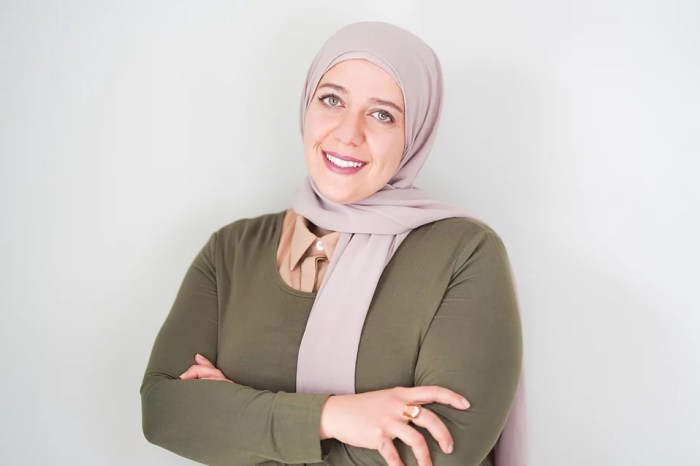
In today’s Feature Interview, I’m talking with traditionally published, award-winning author/illustrator Katie Mazeika. We’ll be discussing the importance of highlighting disabled voices in books and why representation matters.
FEATURE INTERVIEW QUESTIONS
Katie, welcome to Chelsea’s World of Books Literary Blog. It’s great to have you with us! Where are you joining us from today?
I’m in Ohio, just east of Cleveland, in a little city on the lake called Mentor.
How were you first introduced to the blog and the Feature Interview series?
You’ve interviewed several authors I know from promo groups or events. I’m sure it was through one of those shared interviews that I first became aware of your blog.
One of the things we love to discuss here on the blog is how. Could you tell us more about the events that led up to you joining the world of kidlit publishing?
Absolutely! I studied illustration at the Columbus College of Art and Design with the intention of pursuing editorial illustration after graduation. But at some point in my Junior or Senior year, I was introduced to picture book illustration and fell in love. After school, my focus was on illustrating for the children’s market.
Since you are both an author and illustrator, could you tell us which came first? Did your career start out with you querying projects as both author and illustrator, or one or the other? Explain.
In high school, I was torn between going to college for writing or for art. My compromise was a degree in illustration with a minor in creative writing. So initially, I pursued both. But my first agent, and my first jobs, were as an illustrator only.
While we’re in the territory of querying… could you tell us more about your querying journey and how you came to find your agent?
I started with an illustration agent at a large agency that wasn’t a great fit. After about fifteen months with them, I was dropped. Fortunately, I was picked up by a much smaller illustration agency fairly quickly. I really liked the people at the second agency, but the owner became ill, and less than six months later, it closed. I knew I couldn’t query the same illustration agents again, so I was at a loss. That was when an author/illustrator friend suggested writing my own texts and querying as an author/illustrator. So, I wrote my first manuscript, which eventually became Annette Feels Free, and sent out my first queries. At the same time, I participated in #DIVPIT (Diversity Pitch) on Twitter and got a few responses. One of those was my agent, Sorche Fairbank. (FYI-#DIVPIT still exists, it’s just moved to Discord.)
What are some key things an author or illustrator should look for when deciding on an agent relationship? What are some green flags? And what are some red flags?
With my first agent, looking back, there were a lot of red flags. I was never allowed to communicate directly with Art Directors; everything talked about went through the agent. Getting paid was a battle. When I was in NYC, I asked to come by their office for a meeting, but it was very unclear where the office actually was. They asked me to meet in a coffee shop instead. I think the biggest red flag was emails that were never acknowledged. Artwork I sent in again and again that was never added to the website. There was often a general tone that I was bothering them and they had better things to do. But this was my first agent. I assumed this was normal and tiptoed around them. After comparing notes with other agented illustrators, I realized that relationship wasn’t typical. When they dropped me, I was surprised-I’d been booked pretty steadily and done four or five jobs through them, but in the end it worked out for the better.
Looking for an agent a second time, I was much pickier. I went through their social media, going back three to five years. I took note of who was announced as recently signed. Then I looked to see how many of those illustrators were still with that agency. If more than a handful of artists were gone after three years, then I didn’t query that agency. That crossed a number of agencies off my list, but it helped me find my second agent. I imagine I would still be there today if the agency hadn’t closed.
When I signed with Fairbank Literary, I had another offer from an illustration agency, but after a phone call with Sorche, I was eager to work with a literary agent and to write as well as illustrate. I know some creators who almost seem to be afraid of their agents. I was one of them with my first agent. But I’ve learned that fear isn’t conducive to creativity. It should be a partnership, with respect and boundaries that go both ways.
For someone who may be on the fence about whether or not to pursue representation, what are some reasons why you chose to find an agent?
Unfortunately, a lot of publishers only accept agented submissions. And I really value having someone go line by line through my contracts explaining what each clause means for me and my book, before I sign.
What would you say makes a great author/illustrator and agent relationship, from both sides?
Like I said before, it should be a partnership, with respect and boundaries that go both directions. I often bounce ideas off Sorche very early on, and I trust her to be very straight with me about whether I should keep going. I know she has an uncanny business sense and a great feel for the market. She’s always straight with me about whether an idea is worth pursuing. I also know that I can be direct with her; there’s no tiptoeing or playing games.
What’s something that you didn’t know when you started out that you do know now (and maybe wish you had known sooner)?
I think everyone assumes the work is done when you have the first book published. And what I realized is that it’s just the beginning. From there come the promotions and events. At the same time, you are working on your next project. It’s a lot of plates in the air. The risk of burnout is very real, even more so for author/illustrators. So, I have to remind myself to slow down and breathe.
I was so excited to see that all of your books (the ones you’ve written) include curriculum guides. As a former children’s librarian and current word nerd, I’m a big fan of educational resources with books, and love promoting these added free resources on my Teacher Corner for educators, parents, and librarians. I’d love to hear more about some of the resources/extras that you have to offer.
With Annette Feels Free and Beulah Has a Hunch, the curriculum guides offer the opportunity to go deeper into the subject matter and learn even more about these fantastically interesting women.
For my recent book, Maybe Just Ask Me, the curriculum guides focus more on building empathy and understanding about disability and differences.
As a disabled person and a writer, I understand that highlighting disabled voices in books is something near to your heart. Could you share more on this and why representation in books matters?
The reason is twofold: every child should see themselves represented in a book. Being a part of the story is incredibly validating and confirms that they are not alone. At the same time, non-disabled readers need to see disabled characters in the books they read. We need to normalize differences and be comfortable with talking about them. Disability is not a bad word, but when we teach kids to pretend it doesn’t exist, we are teaching them there is something bad or scary about disability and disabled people.
–I love this answer and couldn’t agree more!
Speaking of books, let’s talk about them! Could you tell us briefly about some of your stories and what they highlight?
Annette Feels Free is a biography of Annette Kellerman, who started as a dancer when she was a child but developed polio and was unable to continue dancing. She discovered swimming and became a world champion swimmer, a performer and movie star, and designed what later became the modern swimsuit. She even went to court to fight for women’s right to wear that suit.
Beulah Has a Hunch! is about Beulah Louise Henry, the most prolific female mechanical inventor in the US. What’s so unique about her is that she had no traditional education, only finishing school. She was so intelligent and passionate that she figured out the mechanics of how things worked|. She used the success of her first invention to pave her own path and created a name for herself in a time when few women had careers, let alone owned multiple businesses. I also focused on her neurodivergence, specifically Synthesia and hyperphantasia.
Maybe Just Ask Me! is based on my own childhood, specifically returning to school after losing my eye to cancer. It was difficult to feel gawked at and to have students talk about me, but not to me. Unlike the main character in the book, I was not brave enough to speak up for myself and to advocate for my story to be heard. Mazie is who I wished I could have been back then, someone who is open about her disability. I hope that she can be an inspiration for children with disabilities and encourage children without disabilities to pursue curiosity with kindness.
“Unlike the main character in the book, I was not brave enough to speak up for myself and to advocate for my story to be heard. Mazie is who I wished I could have been back then, someone who is open about her disability. I hope that she can be an inspiration for children with disabilities and encourage children without disabilities to pursue curiosity with kindness“ – Katie Mazeika
I understand you’ve been able to participate in several community events as well as industry speaking/social engagements with your books. I’d love to hear more about these!
I have been very fortunate; I’ve participated in national panels on disability representation in books at NCTE, ALA, and SCBWI, as well as in local panels at several book festivals. I’ve also presented individually on disability representation in children’s books at several state library conferences. This is a topic very close to my heart, and I’m always thrilled to see how many attendees are also passionate about disability representation in children’s books.
I also do school and library visits, and love interacting with the kids, answering their questions, and creating with them. I have a character writing and illustrating workshop that I do. The kids always come up with the most fantastic characters. They’re so imaginative. It’s one of my favorite programs to hold.
Have you had any notable/special experiences or moments with readers/fans/fellow writers/illustrators during these events? We love to hear the positives, so if you have more than one, feel free to share multiple!
The very first school visit I did for Maybe Just Ask Me, there was a boy in the audience wearing an eyepatch like Mazie. He was hugging a copy of the book throughout the whole presentation. Seeing him holding the book and grinning because he felt seen made me tear up. Afterward, I signed his book and spoke to him. His teacher was at a book festival I was part of a few days later. She told me that was all he talked about all week. More tears. That was the whole reason for writing the book: to make children feel represented and seen.
The feedback from librarians and teachers that Maybe Just Ask Me! connects with their students, and that the book opens doors for conversations, reminds me why I create books. This book, in particular, opened old wounds for me and was really hard to write; those responses make it feel worth it.
What is your big WHY for writing? What does it bring you?
I never felt seen in stories. There were really no disabled characters or scenes in hospitals. The one book where I saw myself was Madeline. I cherished that story and wished there were more like it. I see writing as an opportunity to create characters and share stories so readers with disabilities do not feel alone or forgotten. Like I said, it’s hard to do this sometimes. There are parts of growing up with a disability that I did not fully work through until writing these books. But when I see children able to own their disability and get excited about seeing themselves on the page, it reminds me that I am doing it for them and to honor my younger self.
“I never felt seen in stories. There were really no disabled characters or scenes in hospitals… I see writing as an opportunity to create characters and share stories so readers with disabilities do not feel alone or forgotten.” – Katie Mazeika
What’s one piece of wisdom that you’d like to offer to fellow kidlit writers/illustrators?
It’s a marathon, not a sprint. Keep moving forward, even when it’s hard; you only fail when you give up. And learn to celebrate all the wins (big AND small!).
Thank you so much, Katie, for joining us on the blog today. It’s been a pleasure chatting with you and getting to know you a little better. Thank you for all that you do to provide disability representation in children’s books, as well as the resources you offer to families, educators, and librarians.
Now it’s time for a GIVEAWAY!
GIVEAWAY PRIZES:
For the month of October, Katie is offering two prizes to two winners (1 prize per winner). Prize 1: a signed copy of one of her books. Prize 2: A 20-minute ask me anything call.
HOW TO ENTER THE GIVEAWAY
Share a link to the Feature Interview on X (during the corresponding month/year) and tag me @chellysbooks. Want extra entries? Repost my Feature Interview post on X. Don’t have X? Drop a comment at the bottom of the interview.
DEADLINE TO ENTER: LAST DAY OF THE MONTH AT 11:59 PM CST.
Did you enjoy this interview?
Thank the author & host by purchasing or reviewing a copy of one of their books or by requesting it be purchased by your local school or library! Using the sponsored links below to purchase also helps support this blog.
Katie Mazeika is an award-winning author and illustrator who can’t imagine a better job than making books. She loves creating stories based on real people and events. Katie is passionate about highlighting disabled voices in her work. Katie strongly believes all children should see themselves in books.
With a whole list of neurodiverse holidays, like World Mental Health Day, National Disability Employment Awareness, Down Syndrome Awareness, Dyslexia Awareness, and, of course, ADHD Awareness- October was an exciting month for libraries, bookstores, and neurodivergent families everywhere!
I was so excited to be a part of two local events hosted this October. One, hosted by Barnes and Noble, located in Bowling Green, Kentucky, and the other, hosted by Gallatin Public Library, located in Gallatin, Tennessee.
BARNES AND NOBLE: STORYTIME, CRAFTS & BOOK SIGNINGS
On Saturday, October 12th, I headed out with a car full of family- my husband (aka) forever hype man, my parents, who made the drive up from North Carolina, and my 77-year-old grandma, who flew in from Florida. Having my crew of loved ones and supporters here to share in the fun made these book events an unforgettable experience.
A little about my family and how they connect to the story of ADHD AND ME:
From the beginning of my unofficial writing journey (as soon as I started making books at the fresh age of five years old, with scraps of paper bound together with my dad’s stapler, complete with full text and terrifying-yet-somehow-adorable illustrations by yours truly of cross-eyed, rainbow-colored stick-figures with gigantic heads, unibrows, and wonky arms, and don’t forget the “about the author” bio on the back cover) my mom, dad, and grandma were my biggest fans and greatest cheerleaders. They continually encouraged me to “keep writing!” And oh, how helpful those words would later be for the journey that lay ahead. True to the task, I followed their advice and kept on writing. And writing. And writing. All the way into my adult years. Never waning for my first love of literature and stories.
Then, one day, I wrote a story about something very personal to me. My childhood experiences with ADHD. I remember how moved my parents were when they read this story, in particular. “All of your stories are good, Chel,” my dad told me, “But this one is really special.”
They then encouraged me to seriously consider pursuing publication. But I wasn’t a “real” writer. I didn’t have a four-year writing degree from a prestigious writing institute or know where to begin with querying or submitting. But I knew that the story was important. And if it had the ability to touch someone’s heart and mind… make someone feel seen or understood, or help someone to better understand or see… if it could give someone hope or make someone feel good about themselves… then I knew that I had to find a way to share it with others.
My parents echoed the same feelings. So much so that they told me they wanted to help fund the project. The funds they provided would go toward helping me enlist the illustrator who would bring Malory to life.
Now, if you’ve ever done it, you know that attempting to write and publish picture books independently is no easy task, and it’s especially tricky when you aren’t an illustrator.
Because it means that now you have to find someone whose art matches the style that you’re looking for and an artist who sees the vision of your work in the way that you want it to be portrayed, all without the help of an editor, agent, or art designer.
Finding the perfect person took time. But eventually… Malory’s artist was discovered. *Read more about the journey of discovering Malory’s artist in The Making of Maloryhere.*
Fast forward to today… I now have this precious book to hold in my hands and place into new ones.
Sharing my journey with others has been a life-changing experience. As an introverted person who enjoys quiet time alone with my thoughts and one-or-two close friends/family members, talking with people who I don’t know (especially about myself) is not a skill set I was born with.
Typically, I’m quiet in large groups, especially. I keep to myself and am very selective/careful with who I choose to share my innermost heart and feelings with. But when you’re a writer, there’s a side of you that needs to be shared with others. It’s that side of you- the vulnerable person who you truly are behind the page- that connects you with your readers. And that connection is nothing short of magic. Connecting with my readers has been, hands down, the most incredible, rewarding, and wonderful part of my writing journey.
The moments that make it all worthwhile for me:
Talking with a mother or grandmother about their child or grandchild and their diagnosis with ADHD or ASD, and the things they’ve experienced at school with teachers and peers, or challenges they’ve had to overcome or are facing now. Listening to people share their stories and then, in turn, seeing the emotional connection they make with my story and with my book. It has been a whole new world of eye-opening. I’ve had so many parents come up to me and thank me for writing and sharing this book with them and for making it available for families like theirs who desperately need it. I’ve had kids come up to me amazed and tell me that the feelings of the character in the story are the same feelings they have. And seeing the smile on their face when they recognize the emotions? Or overhearing them tell their parent, “That’s how I feel.” It’s an indescribable jumble of emotions. It makes me want to cry and dance and everything in between.
During the October event at Barnes and Noble, I talked with a mother of two; she had a boy and a girl between the ages of 6-10 (both of whom I got to meet that day) who both had ADHD. Hearing her express their experiences in the safety of that quiet little corner toward the back of the bookstore gave us both a sense of mutual calm and understanding. She spoke softly and pressed her hand to her heart as she described in detail the personal challenges that her family was currently going through and, in turn, asked thoughtful questions regarding my own experiences with ADHD.
Another woman eagerly approached my table with her five-year-old son and mother-in-law. She opened up about her son’s journey with Autism Spectrum Disorder and the different ways in which those experiences affected their everyday life, both inside and outside of their home. She shared how it affected his relationships and connection with others, whether it be at school or among friends and family. I shared details in the story and the connection of ASD and finding outlets to express ourselves, with the example of art, and Ms. Julie (a character in the book, ADHD AND ME.) I also shared with her details about my day job working in ABA Therapy as a Behavior Technician and the work I do with children with ASD. After some wonderful conversations, I then did something that I never do at author events with this book. I did a read-aloud storytime.
Why don’t I normally do a public read-aloud of ADHD AND ME?
Some books are great for reading aloud in a group. They’re fun. They’re engaging. They’re silly. But this story is gentle- best described as a quiet book to be read by a parent or close adult friend/relative to a child in a one-on-one setting. Why? Because this allows for emotional intimacy for little readers to open up about big emotions, talk with parents about how they’re feeling, or parents to ask questions and/or invite conversation after/during the story. As I read the book aloud, I caught glimpses of tears on both mothers’ faces. Thankfully, I was able to power through the reading and not start crying myself! (I am a bit of a sap.)
The result? After storytime, we (kids + family + me) worked together on DIY crafts. Then, I signed everyone’s personal copy, ADHD AND ME, and we snapped some photos. Our families all went home with free goody bags filled with custom book swag, including crayons, coloring books, bookmarks, and stickers, with artwork from the story and their very own one-of-a-kind streamer wands.
GALLATIN PUBLIC LIBRARY MENTAL HEALTH AWARENESS DAY
Meanwhile, across town, over in Gallatin, Tennessee… our public librarians were celebrating neurodiversity of all kinds! This year, their theme was CREATIVE MINDS: EXPLORING MENTAL HEALTH THROUGH THE ARTS & LITERATURE. Though I couldn’t be there in person for this event, as I was at an author event out of state at the Barnes and Noble in Bowling Green, Kentucky, my good friends at the library sent me some fantastic photos! Two library visitors went home that day with their very own pre-signed copy of ADHD AND ME.
In closing, I’d just like to say thank you. Thank you to all my readers. Big and small. Your stories make a difference. Your voice is important. You MATTER. I appreciate each and every one of you- and there’s a list filled with names of other people who appreciate you, too! It’s great having people appreciate and love you. But it’s important to remember to appreciate and love yourself too. So, this is my personal reminder for you. APPRECIATE AND LOVE YOURSELF- YOU’RE WORTH IT!
If you’re curious about the book and would like to have a copy of your very own, here’s a link to where you can purchase it. If you have other questions or comments, I’d love to hear them! You can post them below this blog article, and I’ll respond as soon as I can.
Today, I’m talking with children’s book writer and environmentalist Megan Clendenan. We’ll be chatting about non-fiction in middle grade and how to get kids inspired to think about the world around them. We’ll also be sharing writing tips, free educator resources, and of course- giveaway prizes! So be sure to stick around to the end (or scroll to the bottom of the interview and drop a comment to enter the giveaway pool- extra entries for shares/retweets & tags!)
But before we jump into our interview, if this is your first time visiting the blog, here’s the scoop on Feature Interviews.
THE SCOOP: WHAT ARE FEATURE INTERVIEWS & WHO ARE THEY FOR?
Feature Interviews are a free resource for writers and illustrators at every stage of the publishing journey.
Every month, I collaborate with industry professionals—authors, illustrators, editors, and agents— many of whom were or currently are also educators and librarians, to discuss all things publishing.
What can these interviews offer YOU?
These interviews give readers an up-close and personal look at the world of publishing from an array of different perspectives on every side of the desk and offer insight into tips, resources, and advice on how to:
stay current with market trends
hook an agent or editor
find writing community & other resources
discover workshops, contests, and other events
figure out which path of publication is right for you
know if your agent is a good match
And more!
AND… if that’s not enough, every guest offers at least one giveaway prize—sometimes more. This means you have multiple opportunities to win prizes every month! *If you’re interested in entering the giveaway, scroll to the bottom of the interview for instructions.*
Not that we’ve shared a little about what’s in store… it’s time to jump into our interview!
INTERVIEW QUESTIONS & TOPICS OF DISCUSSION:
BEGINNINGS & INSPIRATIONS: WHY, HOW, WHEN?
ROUTES TO PUBLISHING: TO QUERY OR NOT TO QUERY?
TIPS & RESOURCES
TIMEFRAMES & EXPECTATIONS
MOTIVATIONS AND HEART
EMPATHY, AWARENESS, DIVERSITY
BOOKS
GIVEAWAY
AUTHOR BIO & CONNECT
BEGINNINGS: HOW, WHEN, WHY?
“My kidlit journey began when my son was a newborn (he is now 14!) I wrote during his nap times, scribbling away on paper as fast as I could. Years later – those scribblings turned into my first published book, OFFBEAT…” @MeganClendenan
Megan, it’s wonderful to have you on the blog with us today. And it’s wild to think we’re already this far into the year. Where does the time go? I’ve had a chance to peruse your website (which is adorable, by the way- I love your header and color palette). While I was perusing, I saw that your book, Cities: How Humans Live Together, was chosen as a Librarian Favorite for 2024. Very cool! Congratulations. But before I head down the road of your accolades, I’d love to hear how you wound up in the kidlit publishing arena. How’d you get here? And where/when did that journey start?

Thank you so much for having me on your blog! I enjoy reading your feature interviews, and I always learn something new.

-Aw, that makes me so glad to hear!

My kidlit journey began when my son was a newborn (he is now 14!). I’d always written short stories and poems, but as a new mom at home, I decided I would try writing a novel, something I’d always wanted to do. I wrote during his nap times, scribbling away on paper as fast as I could. Years later – about eight, I believe – those scribblings turned into my first published book, OFFBEAT, a middle-grade novel for reluctant readers. While that was fiction, most of my kidlit writing is non-fiction (more on that below!).

Prior to your author days, what line of work were you in (or are you currently in, outside of writing)?

For many years, I worked full-time as a communications and fund development writer for non-profit groups that focused on social and environmental issues. My job was to create written materials that would raise awareness and inspire people to donate money. For example, I worked for an environmental law organization that took governments and companies to task for pollution, and I worked for a social service organization that helped to advocate for women’s rights, access to healthy food in urban areas, and affordable housing. Later, I moved from full-time to part-time and then contract as I became more and more involved in writing for kidlit.

-How fascinating! I love hearing about your history with nonprofits.

Now for the why. I love asking this question separately because I feel like it’s the most important part of it all, and so it deserves a space of its own. What is your big WHY? Why do you write the stories you write; what do they mean to YOU? And why do you want to share them with others; what do you hope they will mean to THEM?

This is such a great question! I think my ‘big why’ can be summarized into one word – curiosity! Writing non-fiction means that I get to constantly learn about new topics. I choose subjects that I’m curious and intrigued by and that I think middle-grade readers will also find interesting but that they may not have been exposed to. Although I’ve written about topics that can feel large and challenging to consider, such as climate change, food security, or human rights, I always try to leave readers with the hopeful message that small actions can go a long way and that change is possible. I hope my books spark questions, discussion, and curiosity about the world and how we can work together to find sustainable and equitable solutions for the future. I enjoy writing for middle-grade readers because I love how full of wonder and curiosity they are, with great questions and an openness to learning about the world.

-I love this!
“…My big why can be summarized into one word – curiosity! Writing NF means I get to constantly learn about new topics. I choose subjects I’m curious & intrigued by & that I think middle-grade readers will also find interesting but may not have been exposed to.” @MeganClendenan
“I hope my books spark questions, discussion, and curiosity about the world and how we can work together to find sustainable and equitable solutions for the future. I enjoy writing for middle-grade readers because I love how full of wonder and curiosity they are, with great questions and an openness to learning about the world.”
ROUTES TO PUBLISHING: FREELANCE WRITING, ROUTES TO PUBLISHING & WRITING NON-FICTION IN MIDDLE-GRADE & PICTURE BOOKS
I saw in your bio that you’re a freelance writer. Could you share a little about what freelance writing in publishing entails? And how might someone go about pursuing this as a career? How does freelance writing differ from traditional publishing? Explain. (Payments/contracts/timeframes, etc.)

I’ve pursued a few different avenues of freelance writing, some in publishing, some not. When I first started taking writing contracts, which is essentially what freelance writing means, I had just left my part-time role as a communications writer for a non-profit. The administration at the non-profit was very supportive, and they not only offered me some of my first contracts but they also recommended me to their contacts – and that’s how I got my first set of clients.

-Wow, that's so interesting!

I did ghostwriting for executives, mostly women, as well as wrote grant applications, website copy, and other business materials, to name a few things. Topics ranged from children’s psychology to engineering technology! Other clients came from word of mouth. In terms of pay, I charge an hourly fee, and I invoice my clients upon completion of the work.

But I still wanted to pursue my dream of working in kidlit. I was working on my novel, but I also put together a work-for-hire ‘package’, which was essentially my resume, my interests/area of knowledge, and a few writing samples that I created specifically for the K-12 market. After sending out A LOT of packages (I can’t remember how many, but lots!) and waiting more than six months, I was offered my first work-for-hire contract! Since then, I’ve worked for a few different publishers on a range of assignments, for example, reading comprehension passages, biographical stories, a non-fiction book for reluctant readers.

Work-for-hire in the publishing world is not a high-paid endeavor, especially compared to the contracts I do for non-profits and businesses. In my experience, I was hired to write a specific idea determined by the publisher on a flat-rate basis, half when I signed the contract and the remainder upon completion of the work. And they often have very tight timelines. But I love writing kidlit, and if you work efficiently and find opportunities that you think are fair, it can be a great way to earn some money.
“Work-for-hire in the publishing world is not a high-paid endeavor… In my experience, I was hired to write a specific idea determined by the publisher on a flat-rate basis, half when I signed the contract and the remainder upon completion of the work… And they often have very tight timelines.”
Do you have any suggestions, tips, or resources you’d like to offer writers who may be interested in looking into freelance writing?

My advice to someone who would like to pursue freelance writing would be to consider their own networks and experience. Is there a niche area where they could offer expertise as a freelance writer? If so, is there a contact they could approach? What I found was that once I had some contracts completed, people began to refer me to others, especially when I let them know I was looking for additional work.

In terms of breaking into the kidlit work-for-hire space, I recommend putting the effort in to create a quality package of writing samples. They request ‘unedited’ samples, so it can’t be work that you’ve already had published, so it does take time to research and write the samples, even though they aren’t long (I did 2-3 pages for middle-grade and about 500 words aimed at a younger audience). Specific resources that I found useful include:

Evelyn Christensen has created an amazing list of potential work-for-hire markets on her website as well as a great list of tips:
http://www.evelynchristensen.com/markets.html
http://evelynchristensen.com/markettips.html

I also highly recommend Laura Purdie Salas’ book Writing for the Educational Market for guidance in creating a packet to send to work-for-hire publishers.
Do you write freelance writing across genres- if so, which genres do you write in? And what are some of the topics you write about?
I have written in a wide variety of genres! Some of the topics I’ve written about are sustainability/environmentalism, biography, and outdoor adventure.
“My advice to someone who would like to pursue freelance writing would be to consider their own networks and experience. Is there a niche area where they could offer expertise as a freelance writer? If so, is there a contact they could approach? I found that once I had some contracts completed, people began to refer me to others, especially when I let them know I was looking for additional work.”
In terms of breaking into the kidlit work-for-hire space, I recommend putting the effort in to create a quality package of writing samples. They request ‘unedited’ samples, so it can’t be work that you’ve already had published, so it does take time to research and write the samples, even though they aren’t long (I did 2-3 pages for middle-grade and about 500 words aimed at a younger audience). Specific resources that I found useful include:
Evelyn Christensen has created an amazing list of potential work-for-hire markets on her website as well as a great list of tips:
I also highly recommend Laura Purdie Salas’ book Writing for the Educational Market for guidance in creating a packet to send to work-for-hire publishers.
- Thanks so much for sharing this information with us, Megan! These are terrific resources.
Do you write freelance writing across genres- if so, which genres do you write in? And what are some of the topics you write about?
I have written in a wide variety of genres! Some of the topics I’ve written about are sustainability/environmentalism, biography, and outdoor adventure.
So, you write non-fiction, which is so exciting because I love learning new things. Can you tell us a little bit about what it’s like writing non-fiction middle-grade novels as well as picture books and how that might differ from writing or pitching fiction?
I also love learning new things! When pitching fiction for the trade market, either with your agent or direct to publishers you need to have the full manuscript ready to go. Middle-grade non-fiction is different as it is usually sold on proposal rather than on the full manuscript. My process is to start with research and see if I can come up with a hook, structure, and a basic table of contents. If I decide I’d like to go ahead with the idea, I do more research, potentially interview an expert, and fully develop my outline. Then, I usually write at least one sample chapter. All those components will be part of the proposal that will go on submission to editors, alongside market information, curriculum tie-ins, etc. If an editor acquires the book, that’s when I would research and write the full manuscript. For picture book non-fiction, I write the full manuscript (and usually back matter as well), and that’s what goes on submission.
Now, you’ve worked on freelance projects, but you’ve also published multiple middle-grade non-fiction novels and just recently had the announcement of your debut picture book (congratulations!) that’s scheduled to come out in 2025. I’m curious: for your published middle-grade and picture book, did you have literary representation?If so, who were you represented by, and how did you end up with your agent?
Great question! For my first two middle-grade non-fiction books, I did not have an agent. Instead, I pitched my ideas directly to editors myself. In 2021, I signed with an agent. Since then, all my books have been sold through my agent.
I’m represented by Stacey Kondla at The Rights Factory. In 2021, I queried a number of agents, and right from the start, Stacey was excited about my work, and I ended up signing with her that summer.
-OH MY GOODNESS- CONGRATULATIONS!! This is HUGE news and definitely cause for celebration!
For those deciding which publishing route to take- agent, or no agent- traditional, or independent- could you talk a little bit about the differences between both and reasons why someone might choose one option over the other and vice versa?
Working with an agent is helpful for a number of reasons. They are familiar with the market, they build relationships with editors, and they can help you bring your work to the next level – important in such a competitive marketplace, and there are limited publishers that accept submissions directly from authors, so agents definitely open doors for authors in terms of access. That being said, there are publishers that accept submissions directly from authors, so some writers might want to go that route. I think it's a personal choice!
For some of our readers who may be new to the publishing scene, could you share a little bit about the steps involved with your publishing journey? (Querying & submission process, timeframes, rejections, champagne rejections, the close calls, the big call, and the final YES)
For sure! It’s definitely a long journey and can feel even longer because there is a lot of waiting involved. When I queried agents, I sent out about 15-20 queries in my first round. My agent was in that first round, and so for me, the querying process was relatively quick. After she got in touch and said she liked my work, we had ‘the call,’ and she offered representation. Yay! Then we got to work putting together a project for submission to editors. Querying editors also takes time and waiting for responses can take weeks to months to even longer! For my upcoming non-fiction picture book, I believe it took around six - seven months from the day we went on submission to an offer, and from what I’ve heard, that’s actually quite a fast timeline! However, not all manuscripts that go on submission sell, and that’s true for all the writers I know. Last year I had a project that I loved, and it did a number of rounds of submission to editors. While I received some nice feedback about the writing, ultimately, it did not sell to anyone, and I’ve had to put that one in the back of the drawer – at least for now!
“[Publishing] is definitely a long journey and can feel even longer because there’s a lot of waiting involved… Querying editors also takes time and waiting for responses can take weeks to months to even longer!” @MeganClendenan
“Working with an agent is helpful for a number of reasons. They are familiar with the market, they build relationships with editors, and they can help you bring your work to the next level, which is important in such a competitive marketplace…”
CHALLENGES, SETBACKS, AND MOTIVATIONS
“So much of what happens in publishing can’t be controlled. You can’t control what editors want or what the market is doing, supply chains, book bans, or what types of books are selling. You can’t control how long it takes a book to be published or variables like printing costs, etc. I try to keep myself focused on what I can control– which is creating quality work!”
What are some of the hurdles that may present themselves on the road to publishing?

So much of what happens in publishing cannot be controlled. You can’t control what editors want or what the market is doing, supply chains, book bans, or what types of books are selling. You can’t control how long it takes a book to be published or variables like printing costs, etc. I try to keep myself focused on what I can control, which is creating quality work!

What are some challenges you’ve faced, and how’ve you been able to overcome them?
Balancing writing with the rest of life can be tricky. Work-for-hire contracts are often on tight deadlines, and so other projects, especially those without contracts and deadlines, often get pushed to the background. And life can throw curve balls! Earlier this year, I was in a serious car accident and could only minimally work for three months. I managed to fulfill my current contracts (with some extended deadlines from editors!), but I couldn’t move forward with any new work, so I’ll have to catch up. It was frustrating, but to get myself back on track, I try to find one hour a day – or at least 30 minutes – to work on a writing project that pushes me creatively. I find this helps me stay inspired and move forward more productively with all the tasks I need to accomplish.
When dealing with publishing setbacks/discouragements/etc. what has helped/inspired you the most to stay on the course and continue?
Rejection and setbacks are part of being a children’s author – that being said, it can still sting. Every author I know puts so much effort and heart into their writing, myself included. I rely on my writing friends to help me weather rejections. We support each other through setbacks and meanwhile, I continue to develop new ideas, which keeps me focused on the present. I’m also inspired to write by reading. I read a wide variety of fiction and non-fiction, and many of my ideas have been sparked by reading. It’s pretty awesome that reading is a part of my job description!
For those who may be dealing with discouragements or difficulties, what words of advice or wisdom would you like to share?
Find a community of other kidlit writers! Being connected to other people who understand the industry and can offer support has been invaluable to me.
TIPS, TRICKS & RESOURCES
Here on the blog, we love sharing writing resources. I know you’ve participated in a number of groups. I’d love to hear more about some of the writing organizations you’ve worked with. (Inked Voices, 12x12, SCBWI) Could you share with our readers a little about what each organization has to offer and how it’s personally benefited you?

Absolutely! I am so grateful to all the writers' organizations I belong to; they each offer a little something different, and they have enhanced my writing and connected me to other writers. I’ve been a member of Inked Voices for many years, and it is a fabulous resource for finding critique partners and there are many other resources, such as monthly craft webinars and genre-specific community networking groups. I’ve found many wonderful critique partners on Inked Voices! I have joined 12x12 for the last two years, and it’s also an incredible resource for picture book writers. They have amazing monthly webinars and book chats, and I always take the time to watch those. For time reasons, I haven’t spent as much time using the resources available on 12x12, but there’s so much to benefit writers, and everyone in the community is very welcoming. I’m also a member of SCBWI and I have benefited from the many online resources and webinars they offer.

Speaking of AMAZING resources, you also offer resources on your website (which I’d love to link here for readers to find on my Teacher Corner tab also). Could you tell us about the resources you offer? Who are they for, and how can they be utilized?

I have free downloadable resources on my website for each of my books. They are educator guides meant to be used alongside the books to help inspire critical thinking about the topic. They could be used by teachers or parents, or older readers could use them independently if they choose. I try to create a range of discussion questions, writing exercises, and some interactive activities that might be useful in a number of subjects, for example, Language Arts, Social Studies, or Science. I’d love for you to link them here for readers. Thank you! The guide for What Do We Eat? is currently in the works and will be posted soon!

-Wonderful!

In writing, there are really no shortcuts- it requires a lot of effort, time, and commitment. But if you had a trick up your sleeve to share- what would it be?

I wish I had a trick up my sleeve, but in all honesty, I think the trick is to stay persistent and keep writing and revising.

Any final tips?
I’m going to repeat myself and say 1) don’t give up, and 2) find some writer friends to share the journey with.

-Thanks so much, Megan.
“…The trick is to stay persistent and keep writing and revising.”
“I am so grateful to all the writers’ organizations I belong to; they each offer a little something different, and they have enhanced my writing and connected me to other writers.” @MeganClendenan
We’ve finally made it to the land of books. I would love to hear all about your wonderful work! What was the inspiration behind it? How did the story begin (the story behind the story?) How long did it take to get from concept to manuscript to where you are now? Everything. Go!

What Do We Eat? How Humans Find, Share and Grow Food
Releasing September 17th, 2024, from Orca Books

Summary; Imagine carrying meals with you as you parachute into a war zone. Or trying to stay well-fed while building the pyramids. People have always found ways to work together to put a meal on the table. What Do We Eat? is a delicious celebration of human creativity and cooperation, wrapped up in bite-sized slices of history, with a look at what scientists and inventors are cooking for the future. We are gobbling up Earth’s resources, and food is not shared equally. But today, there's a magic tree transforming the dry African plains, food “ambulances” on the move and cities that have declared access to food a human right. Hungry to find out more? Let’s roll up our sleeves and find out what’s for dinner.

Inspiration behind What Do We Eat?

During the Covid-19 pandemic, there were times when I went to my local grocery store and found empty shelves. I began to wonder: how difficult would it be to survive without going to the grocery store? That led me to more questions. How did people in difficult situations in history eat? What about people exploring the world? Escaping from injustices? Stranded far from home? How do people facing climate change adapt? This book is the result of all these wonderings (and a LOT of research!). From concept to publication was more than four years!

Cities: How Humans Live Together (Orca Books, 2023)

Summary: If you could design a city that would be both a great place to live and good for the planet, what would it look like? Today, about four billion people—more than half the world’s population—live in cities. This number could rise to seven billion by 2050. Cities: How Humans Live Together travels through time to explore questions like When and why did cities form? How did people access food and water? Where did they go to the bathroom? Peek into the past to see how cities have changed through time and explore what could make cities more sustainable and welcoming for today and tomorrow.

Inspiration behind Cities: How Humans Live Together

At university, I studied environmental urban planning, but I ended up on a different professional path. But, I remained curious and interested in cities and urban planning, and I wanted to write a book about cities around the world, past, present, and future. I loved researching cities for this book! This book was also about four years from concept to publication.

Fresh Air, Clean Water: Defending Our Right to a Healthy Environment (Orca Books, 2022) explores the connections between our environment and our health and why the right to live in a healthy environment should be protected as a human right. The book features profiles of kids around the world who are taking action and important environmental rights court cases. Hear the powerful stories of those fighting for change.

Inspiration behind Fresh Air, Clean Water

I was inspired to write this book after working as a grant writer at an environmental legal non-profit, where I worked to obtain funding for many cases, including about the right to a healthy environment. The idea that the right to fresh air and clean water could be fought for as a human right, just like the right to free speech, was such an exciting idea to me. Years later, I was inspired by youth-led climate lawsuits, and I was able to interview many youth activists, which was my favorite aspect of writing this book!

What do you hope your readers will take away from each story?

With all my books, I want to leave readers with a sense of hope and the possibility that change is possible, even when considering topics like climate change. That the power of human innovation, resourcefulness, and cooperation goes a long way. I hope my books spark questions, discussion, and curiosity.

Have you been able to host any fun author events? And what has the response been to your stories?

I love visiting schools, libraries, and festivals (it’s always exciting to be able to be there in person!) to share my books. One favorite author event was a two-part writing workshop I did with a group of high school students around the theme of Earth Day. Even though my books are aimed at a younger audience, it was wonderful to connect with high school students and get their perspective. I learned a lot by speaking with them!

As well, I’ve been fortunate that readers of Fresh Air, Clean Water have shared their thoughts as well as ‘climate march’ signs in response to the book (creating a climate march sign is one of the activities on my free Educator Guide for the book – found on my website). With these students’ permission, I put together a video to showcase their art and thoughts. You can find this on my website under Resources & Fun Stuff.

I also love connecting with schools virtually because it allows me to reach so many more locations! This fall, I’ve got some events planned around the release of What Do We Eat? and I’m so excited to finally share this book with readers.

-Very cool, Megan!
“I want to leave readers with a sense of hope and the possibility that change is possible… I hope my books spark questions, discussion, and curiosity.”
GIVEAWAY
For the month of September, Megan is offering the following giveaway prize to one winner.
Prize #1: A signed copy of WHAT DO WE EAT? How Humans Find, Grow and Share Food (middle-grade non-fiction)
HOW TO ENTER THE GIVEAWAY
Leave a comment on this post!
And if you haven’t already, like this post and subscribeto the blog and/or newsletter!
That’s it!
DEADLINE TO ENTER: September 30th, 11:59 PM CST
Want extra entries? Share this link and tag the host IG @chelseasworldofbooks X @chellysbooks to have another entry added to the prize pool.
FAQ:
What if I was already subscribed to the blog? Does that mean I won’t qualify for the Prize Giveaway? Not at all! If you subscribed before this month, all you’ll need to do is LIKE this Feature Interview and leave your COMMENT below this post within the deadline (the current month/year entry was posted).
Did you enjoy this interview?
Thank the author & host by purchasing a copy of one of their books or by requesting it be purchased at your local library! Using the sponsored links below supports this blog.
Book Links
Purchase Design Like Nature Biomimicry for a Healthy Planet
Megan Clendenan is a freelance writer and award-winning children’s book author. She loves writing books that explore history, society, and the environment, and she hopes to inspire young readers to think critically about the world around them. Her books include DESIGN LIKE NATURE: BIOMIMICRY FOR A HEALTHY PLANET, which earned a starred review from School Library Journal (2021, Orca Books, co-authored with Kim Ryall Woolcock), FRESH AIR, CLEAN WATER: OUR RIGHT TO A HEALTHY ENVIRONMENT, which won the 2023 Green Earth Book Award (2022, Orca Books), CITIES: HOW HUMANS LIVE TOGETHER (2023, Orca Books), WHAT DO WE EAT: HOW HUMANS FIND, GROW AND SHARE FOOD (Orca Books, Sep 2024) and JUST IN CASE,[1] a non-fiction picture book that will publish in September 2025 with Charlesbridge. To learn more and find free educator resources visit her at www.meganclendenan.com. Megan lives near Vancouver, British Columbia, with her family & two fuzzy orange cats.
Looking for custom writer/library/book-lover-themed swag/accessories? Visit my Zazzle store! Want to see a curated list of my personal favorite books and recommendations? Visit my bookshop page! Want to browse favorite writing accessories, books by genre, and cozy reading must-haves? Visit my Amazon Storefront!
Today, I’m talking with children’s book author, illustrator, and educator Katie Gigliotti. We’ll be discussing the route of indie publishing as an author/illustrator, neurodiversity, overcoming challenges, and celebrating successes!
But before we jump into our interview, if this is your first time visiting the blog, here’s the scoop on Feature Interviews.
THE SCOOP: WHAT ARE FEATURE INTERVIEWS & WHO ARE THEY FOR?
Feature Interviews are a free resource for writers and illustrators at every stage of the publishing journey.
Every month, I collaborate with industry professionals—authors, illustrators, editors, and agents— many of whom were or currently are also educators and librarians, to discuss all things publishing.
What can these interviews offer YOU?
These interviews give readers an up-close and personal look at the world of publishing from an array of different perspectives on every side of the desk and offer insight into tips, resources, and advice on how to:
stay current with market trends
hook an agent or editor
find writing community & other resources
discover workshops, contests, and other events
figure out which path of publication is right for you
know if an agent is a good match for you
And more!
AND… if that’s not enough, every guest offers at least one giveaway prize—sometimes more. This means you have multiple opportunities to win prizes every month!
Interested in entering the GIVEAWAY? Scroll to the bottom and drop a comment! And if you haven’t already, like this post and subscribeto the blog and/or newsletter!
Not that we’ve shared a little about what’s in store… it’s time to jump into our interview!
INTERVIEW QUESTIONS
WELCOME, KATIE GIGLIOTTI!

It’s so great having you with us today, Katie! I’d love to start our interview today by asking what led you here to the wondrous world of kidlit publishing? Have you always been inclined to writing and illustrating or did that come later in life?

First of all, let me take a moment to say thank you, Chelsea, for this opportunity!  I feel honored to be chosen for this interview.
Oddly enough, despite my grandfather’s constant encouragement as both a child and young adult and my notebooks full of stories, I never thought about actually writing and illustrating as a profession.  It seemed out of reach, like something someone way more talented and creative than me would do.  I actually always thought I’d write a novel before I would ever consider the world of kidlit. However, during the great slowdown of 2020, I discovered a free class on Facebook, and once I started, I was hooked!


What made you realize you wanted to go the self-publishing route, and when did that journey start?

I knew little to nothing about publishing when I first started this process in 2020. After listening to some other authors, both traditionally and self-published, I honestly thought I’d go the traditional route first. It seemed like a safer path, and I’m not one for taking risks. But after a year of developing manuscripts and illustrating a story for someone else (more on that later), I realized I could do it on my own. Once I realized I would have total control over what I was doing and I didn’t have to wait for someone to like it or buy into it, I took a gamble and introduced my first book into the world in 2022.

You mentioned in your application that you’re neurodiverse—me too! That’s part of why you ended up taking the route to publishing, which you’re currently doing, branching out with independent publishing rather than traditional publishing. If publishing has taught me anything, it’s the value of patience. As an ADHD girl myself, I know it can REALLY be a struggle to have at times. Can you share some of your personal experiences and struggles related to the long timeline of publishing and how A.D.D. affects your everyday working life?

Although I’ve never struggled to start something, I’ve ALWAYS struggled with the follow-through. When I first started writing and illustrating, my husband was wary of believing I’d stick with it. Over the years, I have been a painter of signs, baker of fancy cakes, maker of sewn stuffies, felter of cute critters, and sculptor of tiny characters; I even tried photography for a bit. I honestly didn’t even know if I’d stick with it. I got easily bored once something kept repeating itself over and over. (I’d be a terrible factory worker!) However, I find that each book is different and provides just enough intrigue to keep me going.

Before I was medicated, I was a constant scatterbrain. If I didn’t write it down or keep repeating it in my head over and over, I’d forget. I would be incredibly distracted by technology of any kind. I also suffer from time blindness. I would *think* that an illustration would only take an hour when in reality, it was taking 2-5 hours to complete.

What helped me the most, besides getting the medication I needed, was learning to be very intentional about my time. Since I have a full-time job and two kids, I knew I’d have to use pockets of time to my advantage. I’ve had to actually time myself to see just how long it takes to get a certain task done so I don’t over or under-plan. It’s been years of lists, timers, notes, reminders, and setting goals.  It hasn’t been easy, but it’s been worth it!

-Wow, Katie. Yes, I totally relate to all of the above. And I love your tips on learning how to be very intentional with your time.-


On my blog, I try my best to include as diverse a group as I can, and that includes routes to publication. Many readers are striving for traditional kidlit publishing, which involves querying agents and going on sub with traditional publishing houses, but there are tons of people out there who manage to make it- and thrive- with independent publishing. And then, of course, there are hybrid authors *like me* who want to do both- traditional and indie. So, it’s wonderful being able to talk with you today because you have insider experience in the self-publishing world. And- you have that experience not only as a writer but also as an illustrator.

You said it best in your application when you said, “Self-publishing is a whole different ball game and is NOT for the faint of heart.” Having independently published my first picture book, ADHD and Me, I can wholeheartedly say I understand and agree with that statement. So, let’s talk more about that…
Tips from neurodiverse creators: “What helped me the most, besides getting the medication I needed, was learning to be very intentional about my time.“
TACKLING THE BEAST OF SELF-PUBLISHING AS AN AUTHOR/ILLUSTRATOR
Can you share with us some of what the behind-the-scenes of self-publishing looks like as an author/illustrator? And how does this route differ from traditional publishing?

To self-publish a book, you have to be extremely motivated. You are the author, illustrator, editor, formatter, marketer, buyer, and seller - among other things.  Not to mention the business end, with taxes and bookkeeping. It’s also, at the beginning, a very lonely thing to do.
Traditional publishers help with all of these things. They have people who will edit, typeset, format, and market. There are people working with you all the way from rough dummy to final draft. Plus, not only are they able to get your book into bookstores and libraries, but they also pay YOU in advance for the work. However, they also take the majority of your earnings, and because they are heavily investing in your work, they have creative control over the project.

Since I knew I wanted creative control as well as the ability to earn as much as I could, I decided to try self-publishing.  Getting into this I knew I had a small budget, so I had to learn how to do everything by myself. I watched a million YouTube videos, read so many books, and became members of many groups to figure everything out on my own. It took about a year of research to finally feel comfortable with the idea.

Don’t get me wrong, I’ve made A LOT of mistakes along the way.  Ones that probably could have been avoided if I had a publishing company and all of their resources backing my book. As a trade-off, I’ve saved a ton of time. The year it took me to research and learn would probably have been spent creating manuscripts and dummies to query.  Not to mention the year - or longer- it would have taken to get an agent and, from there, months to years to get a book deal. That doesn't even include the time it would take to finish the book!

I’ll be honest, there were times I wondered, and still wonder, if I made the right decision!  However, now that I put in the work of learning how to do all the things, I’m pretty proud of myself. I know I’ve come a long way and since I’m no expert at everything, I can continue to grow as I lean into the very scary and daunting world of marketing!


For people who may be considering this route, what were the first steps you looked into? And where would you recommend other creators start?

DO YOUR RESEARCH FIRST!

1.	Learn how to write and/or illustrate a good story.
Anyone can write a book, but you have to learn HOW to write a good book first. Take a class, watch YouTube videos, or talk to someone who has been there before to find out all the important information.

2.	Learn how to market.
Unless you’re trying to publish for yourself, publishing is a business, and you’ll quickly find out you’re a little fish in a big, big sea. I made a journal and published it to Amazon before I ever tried a book just to see if it would sell. I told no one of its existence, and after a year, I had sold 0 copies!  It was a great experiment that made me realize the importance of marketing so it’s a good idea to learn a bit about marketing before you begin!

3.	Make sure your book looks polished.
There are certain unspoken rules in the picture book world, including word count, page number, ISBNs, LCCN’s, etc. that you’ll need to learn about to make your book look professional.

4.	People DO judge a book by its cover.
	Make sure yours looks good!

5.	Build up a presence online
Whether it’s a website, social media account, YouTube, or something else, make sure someone can find you online. You would need this if you are self or traditionally publishing. It’s hard to sell things if people can’t find you or don’t know what you’re selling.

6.	Make connections!
The easiest way to find your market, critique groups, bookstores, libraries, etc., is to start making connections now. Also, don’t be afraid to tell people about your book. Most people want to publish a book but only a few are brave enough to go through with it. Be proud of yourself!

7.	You’re going to hear a lot of different advice from different people.
Some will tell you one thing works, while others will tell you the complete opposite. Unfortunately, there is no magic formula to make it work. You have to find out what’s right for you.

-I love all these tips and suggestions, Katie. Yes!!-
Publishing tips from an indie author: “Build up a presence online Whether it’s a website, social media account, YouTube, or something else, make sure someone can find you online… It’s hard to sell things if people can’t find you or don’t know what you’re selling.”
Publishing tips from an indie author: “Make connections! The easiest way to find your market, critique groups, bookstores, libraries, etc., is to start making connections now. Also, don’t be afraid to tell people about your book.“
How did you handle the editorial portion of your writing? Did you hire a professional editor? Did you use beta readers or critique partners?

I’m lucky enough to have a sister-in-law - thanks, Naomi!- who can edit for me, so I can’t really speak to hiring anyone professionally. However, before I send it off for editing, I heavily rely on critique partners to weigh in on the formatting, word choice, and story flow, as well as illustration critique groups to help with that part. I also have the advantage of being a teacher so I can always use the story as part of a lesson and see how the students react. Sometimes, that’s the best way to tell if a story flows well or can keep a kid's attention!

Can you walk us through the illustrative side of things? How did you learn how to create picture book dummies, and what were those early stages like? How did you revise your artwork?

Believe it or not, despite being an illustrator, when I first started out I didn’t think I could illustrate my own work! It took another friend of mine asking me to illustrate her own story to make me believe in myself.

I had somewhat of an advantage as an art teacher because I had already had college classes that focused on the basics. However, illustrating a picture book is vastly different from creating a standalone art piece. My biggest hurdles were character creation, keeping the characters consistent throughout the book, and color palette. There is also the idea of pacing the story, page count, and page turns, which were things I needed to and still do- work on.

I learned most of my dummy making through Storyteller Academy. The classes they offered helped me to work on my pacing, page turns, and think through the story. I am truly sad that they are disbanding! Thankfully, through SCBWI, I found a great group of illustrators in my region who have helped me by critiquing my work and finding parts that need tweaking.

Early on, I worked in traditional mediums since I had little experience with working digitally.  I had to teach myself how to scan images in, how to save them properly, and how to format a book digitally. While I was growing as an illustrator, I was also learning how to create artwork digitally, which is the medium I prefer now.

-So fascinating hearing the details behind-the-scenes! Thank you for sharing.-
WORKING AS AN EDUCATOR
I know you have a degree in education and have been teaching art for quite a number of years now. How long have you been an art teacher?

I just finished up my 18th year as an elementary art teacher in May.  Only 12 more years to go!

Can you tell us about how your educational background as a teacher contributes to or intersects with your publishing?

Being a teacher, especially an elementary teacher, keeps me immersed in the kidlit world. I have a front-row seat to the likes and interests of kids, as well as the needs of teachers and schools. This is incredibly helpful in deciding on the stories I want to work on. Although my first three books were very personal to me, the next stories I’m working on focus more on solving a need for kids, parents, and teachers, which helps make marketing much easier!

Do you ever have students ask you about your books and how they can create books of their own?

Yes! I don’t do a lot of promoting of my books at my own school -it’s slightly frowned upon by admin- but some of my colleagues, including our school librarian, are great at getting the word out there and even reading my books in class. (Thanks, guys!)

The reactions I get are sometimes shock, “Oh my goodness, you WROTE a BOOK?!”, awe, “If I buy your book, will you sign it for me?” and the occasional eye roll, depending on the student or age.

As for making books of their own, I don’t get a lot of requests since they are pretty young. However, this year, one student approached me, and I am currently working on helping him digitize his graphic novel so he and his family can look into self-publishing it.

-That's SO cool!-

Would you say that being a teacher has benefited your publishing journey by connecting you with your community- local bookstores, libraries, schools, and more?

Yes and no. On one side, I have gotten quite a few school visits from my connections, and also support from local libraries, which have been wonderful! My colleagues and some parents are also super supportive of my journey. I haven’t been very successful getting into local bookstores since we don’t have many in our small area.

However, since I tend to keep to myself a lot, I don’t think I reap the full advantage that my position offers me. It’s something I’m working on.

- Thanks for sharing such an honest perspective with us! From one introvert to another, I'm rooting for you!-

Speaking of bookstores, libraries, and schools… have you been able to host any local storytime/book events? If so, we’d love to hear about them!

I have done several school visits and vendor fairs, which are so much fun!  The best part was being able to return to my hometown, in Pennsylvania, to participate in a local book event where I was able to meet some awesome authors and illustrators.  I truly look forward to growing in my author career and setting up more of these events in the future!

I haven’t had any book signing events, but that’s mainly because I’m too afraid to ask! I’m not great at self-advocating, and I honestly don’t know where to start. However, as my list of available titles grows, I look forward to setting these up!

-It can be daunting to self-advocate and promote your work for sure. But it sounds like you have a very supportive local community members- schools and libraries - maybe they'll have some suggestions/connections to share when the time is right. :) -
VICTORIES AND STRUGGLES
On the blog, we love celebrating victories and sharing stories, resources, and encouragement. And sometimes… encouragement can come from sharing the hard stuff, too. Can you tell us a little bit about some of the challenges you’ve had to face during your publishing journey and how you’ve been able to overcome them?

*chuckling as I type this*

My biggest challenge is myself. I am not great at self-promotion, which is a skill that you need as a self-published author/illustrator. Like most introverted people, I’d much prefer to sit back and create and not worry about the marketing side of things.  I’m also pretty terrible at scheduling things, so I tend to limit myself in that way. Oh, and of course that dreaded imposter syndrome. Since I don’t have a traditionally published book, I feel like people look at me as if I’m not good enough to get a traditional deal, even when it’s my choice to take this route.

As far as overcoming them, I will say that as time goes on, I push myself to try new things and put myself out there more (like this interview!). By making connections outside of my own circle, celebrating the small gains, and creating professional books, I am slowly growing my audience and squashing my self-limiting beliefs. I realize I don’t know it all and continue to learn new things as I walk this journey!

- *Me, cracking up.* Hey, identifying the problem is half the solution. So really, depending on your perspective, it's already a glass half full.-

Now let’s celebrate some wins- what have been some of your favorite kidlit moments? You can list as many as you’d like! And if you have pictures you’d like to share, that would be great, too!
My top 4 favorite kidlit moments:
1.Releasing my first book, Wander World
This was HUGE for me. I did everything – minus the editing and some critiquing – on my own.
-This is huge! I’m cheering.-
2.Participating in a book festival in my hometown.
It was so much fun to return home, make friends with the other local authors in attendance, and even meet some famous authors and illustrators!
-I bet!-
3.Getting my books into an actual store.
After my first book was released, I walked into a local store to ask if they would carry my book – and they said yes! This has carried on with my second and hopefully my newest book! You never know if you don’t ask.
4.Meeting all the wonderful authors and illustrators out there.
The kidlit community is one of the most fantastic groups of people I’ve ever met; it almost seems surreal at times. They are always ready to cheer you on, lend a helping hand, or provide comfort if you are feeling down. The best was one of our promotion videos where we all posed in a box.
-I love all of these, Katie. And the pictures are fantastic!-
TIPS AND RESOURCES
If you could give an aspiring kidlit illustrator or author a piece of advice (or pieces of advice), what would it (or they) be?

Just do it.  If it’s something you’ve always dreamed of and you are passionate about it, get out there and create, write, draw, learn, and make it happen!  There is no better feeling than accomplishing something you set out to do.

No matter what path you take, this is a long process! Learning how to write and illustrate a good book takes time. Doing it takes time. Formatting and getting it out there takes time. Don’t get discouraged when things aren’t done on time or something goes wrong. However, make sure you set some reasonable goals for yourself. If you don’t have a clear vision of where you’re going, you most likely won’t get there.

Also, echoing my statements above, make sure you are putting out professional-looking, well-crafted stories and that you have done some research and learned a bit about marketing before you start!

I know you mentioned that you are a member of SCBWI, Storyteller Academy, and numerous critique groups. Could you share with our readers a few of the benefits of each of these and how they can help you grow in your journey?

The kidlit community is AMAZING! I cannot even begin to explain how helpful, kind, and supportive they are.

SCBWI (The Society for Children's Book Writers and Illustrators) is the gift that keeps giving. From classes to critiques, forming groups and relationships, conferences, and growing your community, they have it all! I haven’t even taken advantage of all its many resources, and I can’t begin to explain how much they have helped me.  It is where I met my critique groups, which are equally amazing. They have provided support, advice, and even opportunities to write and illustrate for local publications.

Storyteller Academy has been paramount in my journey so far. The classes they provide help with everything from character design, dummy creation, rhyming, story structure, and even the business end of things. Although I believe their approach to be highly focused on traditional publishing, I know before they decided to disband, that they were moving towards and adding more classes in self-publishing. I am so sad to see this incredible resource go.

I know there are many other resources out there that I’m not currently a part of, which can be equally beneficial.

Are there any other groups/organizations or otherwise that have greatly benefited you on your writing and illustrating journey that you’d like to share?

Although there is no formal “group” or “membership,” the self-publishing community has been paramount in my ability to grow in this! Once you make a few connections, they are incredibly supportive of other author-illustrators by giving advice, sharing wins and losses, and spreading the word about your books!
Advice for aspiring kidlit authors and/or illustrators: “Just do it. If it’s something you’ve always dreamed of and you are passionate about it, get out there and create, write, draw, learn, and make it happen! There is no better feeling than accomplishing something you set out to do.”
THE BOOKS!
We’ve finally made it to the book portion of the interview. We want to hear all about your stories! I know you’ve done author/illustrator books of your own, and you’ve also done illustrations for local authors (so cool!). Let’s start with the projects that you’ve done solely yourself- as an author/illustrator.

Can you tell us a little about your stories and where the inspiration for them came from?

The first three books I’ve published as the author/illustrator have been very personal to me.

Wander World, my first book, is not only an imaginative adventure across the seven continents but also a tribute to my grandfather. Illustrated in traditional watercolor, it tells the story of an actual game we used to play. Since his encouragement propelled me into this journey, I could think of no better way of honoring him than by dedicating my first book to him.

- What a beautiful tribute.-

Below are two of my favorite illustrations from the story. In the first one, my grandpa and I are visiting Australia and snorkeling at the Great Barrier Reef, which is something I’ve always wanted to do.

The second one is us in Venice, beside the Rialto bridge. I was supposed to travel to Italy in college, but the events of 9-11 threw a wrench in that plan, and I’ve yet to see it in person!  This is one of my favorites because I’ve added some Easter eggs. The adult couple walking are my husband and I and on the opposite page –not pictured– is my son, fishing.
You are: finding God in the little things is a quiet story which takes the reader from day to night and throughout the seasons and encourages the reader to look for the little things in life and appreciate all the beauty that God has created for us. Since I like to keep to myself, and I don’t feel that pushing my faith on others is fun for anyone, I created this as my own personal ministry.  It’s my way of reaching out to kids and adults who may question their faith and inspire those who have faith not to lose it.

The illustration below is certainly one of my favorites. It’s one of the summertime illustrations, which is my favorite season, and it really speaks to my love of both rainbows - or colors in general - and art! The illustrations for this book -  done with painted paper cutouts and edited digitally - took me forever!  Each of those stripes on her dress, the rainbow pieces, the sun rays, and bits of chalk are individually cut and glued on!
All My Love, my newest book - which only came out two days ago!-  is a tribute to a mother’s love for her child.

-Whoa! Congratulations on your new book! That must be so exciting. :) –

Since my daughter just recently had a milestone birthday and graduated from high school, I wanted her to know I’d always be there for her. I wasn’t even planning on putting this out into the world, but once it was finished, I loved it so much I felt it could be appreciated by others as well. The fun part was being able to incorporate a ton of easter eggs specifically tailored to my daughter's favorite toys throughout the years.

This illustration from the story is one of my favorites because of the irony. It’s also a nod to her starting off on her own as an adult as if the meteor is the end of a season in our lives. I think any parent can relate to the way young children - or, in this case, dinosaurs - can cling to you and notice all the beautiful things in the world.
I'm currently working on a series about color, focusing on one color at a time, that will help pre-k, kindergarten, and art teachers introduce their students to colors in a fun way! I have been tinkering with these since 2020, when I was trying to teach color and noticed that a series of books like this didn’t exist.

With the dawn of AI and the threat of illustrators and writers losing their relevance, I created this for social media to remind others that human intelligence far surpasses artificial intelligence. It showcases all the different colors, each of which will have their own book.
Traditional publishing is a very long route. However, independent publishing can often move at a quicker pace. Of course, the timeline will vary from person to person. How long did it take you to get from story concept to publication?

For my first book, it took quite a long time, around a year and a half from start to finish. Mainly because I was not only writing and illustrating it, but simultaneously working a full-time job, learning how to add digital edits, format, edit, and upload to the different platforms.

Now, depending on the type of illustrations I do and how quickly I can perfect the story, it can take anywhere from 1 year to 6 months.
What publishing platform(s) did you use to list your book (KDP, Lulu, IngramSpark, etc.)? And what formats do you offer—audiobook, hardcover, softcover, etc.?

I have my books available in hardcover, paperback, and eBook format. The paperback and eBook versions are available through KDP or Kindle Direct Publishing. I am enrolled in Kindle Select, so if you have a subscription, check them out! For the hardcover option, I have been using IngramSpark, which is helpful since they are a wholesale company and are able to get those books into different retail options like Barnes & Noble, Walmart, Target, Books-A-Million, and others!

I will say that the quality of print-on-demand books isn’t always the greatest. My next step is to run a Kickstarter campaign, which would allow me to purchase better-quality hardcover books in bulk.

Do you have any formatting tips for folks who are looking to publish independently?

I sure do!

First, if you know nothing about formatting and can afford it, find someone to do the typesetting and formatting for you. It’s much easier than learning by yourself.

I would also recommend finding someone to design your cover for you. Unfortunately, most people still judge a book by its cover, so having an eye-catching, well laid out cover is super important!

However, if you’re determined to do it on your own, make sure you find a great tutorial for your program of choice. The first book I did I used Canva, because it was free. Pro tip: Canva pro is free for educators! However, I wouldn’t recommend it. It turned out slightly blurry. Canva is great, however, for making any type of marketing material, including social media posts, videos, flyers, school visit order forms, etc.

For all the rest of my books, I’ve used Adobe Indesign, which is much more precise and has its own set of learning curves. Adobe is a paid program, so I would suggest asking someone who already owns the program to try it out before you sign up.

Please make sure, if you are illustrating your own, or if you are having someone else illustrate, you know the size of your book before you begin. Some platforms don’t support certain sizes, so be certain to check before you decide!

Also, you need to understand bleed and dimensions, which can be explained on each platform's website. Oh, and don’t forget to leave, or have your illustrator leave, space for the text on each page!

You also need to know your page count. 32 pages is standard for children’s picture books, but you can go up to 40 if need be. It always has to be in multiples of 4. Keep in mind that your first few pages should be set aside for copyright and title pages, but the best way to figure this out is going to your local library and checking out some picture books. Take note of where the important information goes, the size and type of font, and how many pages there are.

I could go on and on about this for hours. Honestly, if you have any questions, feel free to reach out to me!

-This is all great info, Katie! I hope it inspires/helps some of our readers today to get out there and start pursuing their dreams!-

What kind of promotional activities did you do to spread the word about your book launch? And do you have any recommendations for newbies?

As an indie author, launching strong can make or break your book. I’ve learned this the hard way! If you are publishing on Amazon, the goal is to get some attention and hopefully reviews in the first few days of publication. If you can get that, KDP will automatically show your book to people. If not, it sort of gets lost in the other millions of books out there in the world. If you are running a Kickstarter, the idea is to get pledges so you can meet your goal. If you plan on selling on your own website, building your email list is very important!

I’m still working out the kinks with book launches. Launching a book is a process, and I haven’t been very good at getting the word out early enough. So far, I’ve tried several different tactics to see how they would work, and all I can suggest is to start early!

-Yes to all of the above. Starting early, getting pledges, lining up reviewers for your launch- all of that is SO important, ESPECIALLY for indie authors.-

I’ve done a Facebook live event, which seemed to garner some attention. I also hosted a giveaway for free physical copies for people who signed up for my email list. Of course, I utilized social media to get the word out by posting at least a month or more before the actual launch. I’ve also offered free lesson plans and coloring/activity pages for people who promised to promote the launch. For my newest release, I ran a free eBook promo to garner some reviews and asked for friends and family to join my launch team in exchange for a chance to win a copy of the book.

In short, giveaways, games, parties, live events, inviting people to be a part of the story in some way, and lots and lots of promotion, months ahead of time lead to a successful launch!

-Yes! Make it as fun as possible for your audience. Giveaways and games are always a hit!-

Let’s talk a little about your illustrative work locally. How did you end up doing illustrations for local authors? Were they friends of yours prior? Did you advertise commissioned artwork somewhere? Explain.

Story time:

All I can say is this was meant to be. As I was learning about the writing and publishing process, I didn’t feel confident enough to create my own illustrations. I was so upset that I would never get my story out into the world when a former colleague, now an elementary principal, contacted me one day out of the blue and asked if I’d be willing to illustrate a book for her. After much soul searching, I decided I’d give it a try, but I warned her that I’d never had any experience illustrating and I wasn’t sure how it would turn out.

She took a gamble on me, and in turn, we created our first book, The Giraffe Who Loved School. Her belief in me then inspired me to create my own work! Because she was so wonderful to work with - she basically let me have creative control over the whole project- I’ve also illustrated a second book for her, Be Nice To Your Teacher. From that, I’ve had several people ask me to illustrate some books which I am working on currently.

So, to answer your question, most of my work has been from word of mouth, friends, and family.

-Wow! I really love this.-

What has that journey been like and how does it differ from doing author/illustrator?

In some aspects, it cuts down on the time it takes me to work since the story is already planned out. My only focus is on creating characters, deciding on a color palette, and making it come to life. Not that it’s easier -illustrating takes time!- but I don’t have to work through the writing.

If you’re working with the right person, it’s a pleasant experience. You can communicate with them and they aren’t hovering over you, constantly unsatisfied with your illustrations and trying to get you to make changes. So far, I haven’t had any unpleasant experiences but I’ve heard some horror stories from other illustrators. This makes me wary to do any books with individuals who are very picky.

The one downside is not having full creative control over the entire book. Even if you, as the illustrator, want to make changes to the text layout or reword something, it’s technically NOT your book to change! I guess what I’m saying is that you can’t overstep your boundaries.

Do you have any recommendations for artists who may be looking to start doing commissioned illustrations?

Beware who you work with, and make sure you have a contract! Although my experience was wonderful, I’ve heard so many horror stories of both authors and illustrators getting cheated in some way, shape, or form.
Know your worth. If you are just starting out, you might not be charging as much since you are still learning and growing. However, don’t undersell your work. If you look at how long it takes you to create a 32-page book, make sure you are getting a fair wage for all the work you are putting into it. Check with other illustrators to see their rates.

Make sure you have a portfolio of work that someone can access. On a website or social media, it’s important that people know what they are getting when they start working with you.

Know what you enjoy illustrating! Don’t promise to do a style or medium you can’t do; everyone will just end up frustrated. Also, don’t work on a story that doesn't resonate with you. Make sure you feel comfortable with the author's story and vision.

-Really great advice.-

Any final words of wisdom you’d like to leave our readers with today?

One last thing. I know how hard I can be on myself as an artist or writer, constantly trying to live up to this invisible perfection. Imposter syndrome is REAL, people!

What I’ve had to realize is that the majority of people aren’t judging your work as hard as you are. Not saying you won’t have any critics, but most people are simply impressed that you are able to do the thing!

If you have any questions about self-publishing or just want another author/illustrator to chat with, feel free to reach out at any of the places listed below!

Thank you so much for joining us today, Katie.

Thank you for having me, Chelsea! Again, I really appreciate this opportunity!
And now… It’s time for a GIVEAWAY!
This month, Katie is offering the following giveaway prize(s) to THREE people. *ONE PRIZE PER PERSON*
Signed paperback copy of Wander World, sticker, and magnet
Signed paperback copy of You Are, sticker, and magnet
Signed paperback copy of All My Love (as long as the giveaway is at the end of the month!)
HOW TO ENTER THE GIVEAWAY
Leave a comment on this post!
And if you haven’t already, like this post and subscribeto the blog and/or newsletter!
That’s it!
Want to get EXTRA entries? Share this blog post on social media (Pinterest, X, Instagram) and tag me X @chellysbooks or Instagram @chelseasworldofbooks so I can keep track!
DEADLINE TO ENTER: July 31st, 2024, 11:59 PM CST
FAQ:
What if I was already subscribed to the blog? Does that mean I won’t qualify for the Prize Giveaway? Not at all! If you subscribed before this month, all you’ll need to do is LIKE this Feature Interview and leave your COMMENT below this post within the deadline (the current month/year entry was posted).
Did you enjoy this interview?
You can thank the author & host by purchasing a copy of one of their books or by requesting it be purchased by your local library!
Using the sponsored links below supports this blog.
PICTURE BOOKS ARE MY JAM: A child at heart, I wish my stories and pictures inspire young minds to:dream, hope, wish, love, and wonder. Because picture books are for everyone.
I truly hope that in their lifetime, everyone experiences: the beauty of this world, the kindness of strangers, the thrill of following their dreams, and God’s all powerful and unfailing love.
You can find me gazing at a beautiful sunrise, enjoying the quiet of snow falling, soaking in sweet summer sun rays, at an amusement park, eating ice cream and junk food in general, taking pictures of weird stuff, laughing until my face hurts, or lost in my imagination.
I live in a small Virginia town spending most of my time with my husband and two teenage children, who are too embarrassed to be mentioned here.
Looking for a specific topic? Browse the list below to find a link to information on one of these topics:
Today, I’m talking with children’s book author Susan Lubner. We’ll discuss writing across genres, the creative process, and how to find a critique group.
But before we jump into our interview, if this is your first time visiting the blog, here’s the scoop on Feature Interviews.
THE SCOOP: WHAT ARE FEATURE INTERVIEWS & WHO ARE THEY FOR?
Feature Interviews are a free resource for writers and illustrators at every stage of the publishing journey.
Every month, I collaborate with industry professionals—authors, illustrators, editors, and agents— many of whom were or currently are also educators and librarians, to discuss all things publishing.
What can these interviews offer YOU?
These interviews give readers an up-close and personal look at the world of publishing from an array of different perspectives on every side of the desk and offer insight into tips, resources, and advice on how to:
stay current with market trends
hook an agent or editor
find writing community & other resources
discover workshops, contests, and other events
figure out which path of publication is right for you
know if your agent is a good match
And more!
AND… if that’s not enough, every guest offers at least one giveaway prize—sometimes more. This means you have multiple opportunities to win prizes every month! *If you’re interested in entering the giveaway, scroll to the bottom of the interview for instructions.*
Not that we’ve shared a little about what’s in store… it’s time to jump into our interview!
THE VERY BEGINNING: PAVING A PATH TO PUBLISHING JOURNEY
Welcome to the blog, Susan! It’s so nice to have you with us today. The first thing I like to ask my guests is: how they ended up in kidlit publishing.

Let’s take that question into three parts: when, why, and how.
When did your journey to publishing begin?

Hi Chelsea! Thank you so much for inviting me here today 😊

I think the path to publication really started when I was a young girl…long before I was ever aware of it! I enjoyed reading so much and writing short poems, too. My love of words and story were the seeds planted early on that would eventually lead to my career in writing for children. But the turning point was when I was in college. I took my first creative writing class and I was encouraged by my professor to submit some of my work. I did, and two fiction stories were published in a collegiate magazine. I think that gave me a boost of confidence. But it also made me realize how much I enjoyed the process of writing. And that it was something I wanted to continue and hone.
Let’s touch on the why. What was the inspiration that led you here?
Is writing something you’ve always wanted to pursue, or were there other variables that brought you down this path? Explain.

What led me finally to a career in writing children’s books, happened pretty organically. But in a nutshell, it really stemmed from a renewed love and awe of children’s picture books.  After college I continued writing short fiction and taking an occasional class or workshop. Writing for children wasn’t something I had considered or even thought about pursuing until after I had my first child. My daughter and I were reading a lot of picture books. I was reminded how much I enjoyed those books! And at that point I had a new perspective, not just because I was now reading from the point of view as an adult, but also as someone who enjoyed writing. I became very aware and curious about the craft. The pairing of text with illustrations. The cadence of sentences, and the idea of writing a complete story using so few words. Then one day in 1995, my daughter was two and we were in a bookstore. I saw a poster advertising a writing for children workshop. I signed up, and I’ve been writing children’s stories ever since.


That question leads nicely into our third which involves the how. How did you end up here in the kidlit arena?

That children’s writing workshop was the portal! It was taught by author Jacqueline Dembar Greene who became my mentor. All of us in that workshop were unpublished and newbies to the world of children’s publishing. And boy did we have a lot to learn. Several of the other members of the workshop and I formed a critique group. Three of us, (plus one other author who joined later on) are still critique partners …since the mid 90’s! Also at that workshop, I met Beth Raisner Glass. Beth had a manuscript she had been working on. At the time, I was very focused on writing stories that rhymed. She asked if I wanted to help her with her story which she was working to set in rhyme. Together we revised a new version of Noises at Night which eventually was published by Abrams Books for Young Readers.


What type of publishing did you pursue? (Traditional/hybrid/independent?) And why?

In the beginning I knew so little about how to get published that I wasn’t even aware that one could self-publish! I was told to get a copy of the Children’s Writer’s & Illustrator’s Market which I did. It was also suggested to me that I try getting my stories published in children’s magazine’s too, like Highlights and Cricket. So my focus was always on the traditional route.


For our readers who may be new to publishing and don’t know the differences between these routes, could you briefly touch on what makes them different, as well as the pros and cons of each?

I don’t have any experience with hybrid or independent publishing and have not stayed current so I don’t have a lot of specific advice to offer to anyone who is taking that route nor can I speak confidently on that process.  But generally, I can say that regardless of which route to publication is taken, there are so many wonderful resources that every writer can tap into to help them on their journey to publication.

Joining a writer’s critique group is invaluable! It helps enormously to have the feedback needed to get your stories really polished and ready for submission.

SCBWI offers opportunities to network, access to workshops, and the conferences are a great way to find the resources and support needed to help on the path to publication.

One of the things I have valued most from being traditionally published is the support from the amazing marketing departments at each publishing house. Marketing and selling your book is hard so, even though I have always done as much marketing and publicity on my own with each book launch, to have that support from a marketing and sales department from a publishing house too, is a valuable boost.

One of the things about traditional publishing that could fall in the con column is that it’s very difficult to get published with one. I have many manuscripts that have been rejected over the course of my career. It happens a lot! And I suppose that example of one of the downsides to traditional publishing highlights one of the awesome pros of self-publishing…that a writer has control of what gets published!
“Regardless of which route to publication is taken, there are so many wonderful resources that every writer can tap into to help them on their journey to publication.”
“Joining a writer’s critique group is invaluable! It helps enormously to have the feedback needed to get your stories really polished and ready for submission.”
“SCBWI offers opportunities to network, access to workshops, and the conferences are a great way to find the resources and support needed to help on the path to publication.”
Can you tell us a little bit about your querying/submission journey?

Things have changed so much since I started submitting my work. Back in the “olden days”, (ha!), when I was first starting out, snail mail was how the submission process worked. Prior to sending anything out, I was very careful to read as much as I could about how to submit a story. I learned how to format my manuscript and how to format a submission letter, too. Using the Children’s Writer’s & Illustrator’s Market I made lists of which publishers were accepting unsolicited manuscripts (I did not have an agent at that time) and also which publishers were accepting simultaneous submissions, and which were not.

I have a very thick folder full of the many rejections I have received over the years. The first story I ever submitted was called The Ladybug. It was rejected many times until one day in 1998 I received an acceptance letter. My very first! I only got halfway through the letter when I cried and jumped up and down and did all the things I thought I would do if I ever got a story accepted! Then I read the rest of the letter. And again I cried. Because the letter went on to explain that even though they had accepted my story for publication (they wanted me to know that!), they had also made the unfortunate decision to move away from publishing children’s books!

- Oh, what an emotional roller coaster that must have been!-

It would be five years later that I would finally sell my very first story to Spider Magazine. Ironically, that first magazine story I sold took a long time to be published. It ended up coming out after the first book I sold (Noises at Night co-authored with Beth Raisner Glass ABRAMS 2005).

I got the awesome news that I sold my first picture book on April Fool's Day in 2004 so I had to wait a whole day to tell everyone so they would believe me!

- How funny! And exciting.-

That submission process was really unique. Noises at Night had come very close to being acquired at a very big house. Unfortunately, in the end, there wasn’t a total consensus and it was rejected. However, one of the editors was moving to Abrams and asked our permission to take the manuscript there. She loved the story, and we were fortunate that it found a home. Timing can sometimes play a very important role in whether something gets acquired or not.

Two more picture books followed but the submission process was much easier for me as my editor at Abrams asked to see other manuscripts, and so just a few emails were exchanged before I had an offer on my second picture book. My third picture book was a work-for-hire. Again, my editor at Abrams asked if I would be interested in working on the project and I said yes.

By the time my third picture book was out, I was about ready to start submitting my first middle-grade novel, The Upside of Ordinary. After making a lot of rounds and many rejections later, my critique partner suggested I submit it to a former student of hers who worked at Holiday House as an assistant editor. Fortunately, she really loved it as did the publisher!

-How wonderful!-

I’ve had a pretty eclectic experience when it comes to submissions! One thing has always been consistent though, and that is the road to publication is filled with twists and turns and lots of bumps!


Are you currently agented, and if so, how did you find your agent match? (Was it through cold query/submission, was it during a contest, etc.?)

I do work with an agent who I adore. At one of my writer’s group meetings, I shared a funny picture book that they really enjoyed. One of the members of my group had recently seen a post on a particular agent’s blog who was asking to see humorous picture books. I submitted the manuscript to her. It never did sell but we are still working together almost 11 years and three books later.


If comfortable sharing what agent/agency did you sign with?

Linda Epstein who at the time was with an agency in New York but moved to the Emerald City Literary Agency and I went with her.


For writers and illustrators who are actively querying for their agent match, could you tell us about your agent call and what to expect?

My agency query in this particular instance, was very specific in the approach. The post Linda had made on her blog, requesting to see humorous picture books had instructions on how to send a manuscript. I followed those instructions and attached the manuscript right in that first email as directed. She responded pretty quickly and asked to see other manuscripts which I sent back to her right away.


What types of questions do you find more useful to ask during this call?

One of the first questions I asked Linda when we discussed working together is if she offered editorial feedback. For me, it was very important to have an agent that also could (and would be willing) to provide feedback and suggestions for edits. I think all writers benefit from a second (or third or fourth!) pair of eyes! Especially before something is to head out on submission.

-Such a great thing to look for in an agent. And wonderful that you knew beforehand what you were specifically looking for.-

Which leads to a second question I think is important: Does the agent submit only exclusively or will he or she submit to multiple publishers all at once. I have heard of agents that will only send out a manuscript to one single publisher at a time even if that publisher will accept simultaneous submissions. That is a process that would not appeal to me, as it often takes so long to hear back from editors.

-Another great thing to know before signing with an agent.-

Asking questions up front before you commit to an agent is important. It’s very exciting to receive an offer from an agent but you want to make sure that the writer and agent are compatible and share similar expectations so that hopefully the relationship is a good fit. Talk to agented writer friends, too. See what their experience has been like and figure out what is important to you regarding a relationship with an agent before you make that choice.

-Love this advice, Susan. So great!-


How did you know which agent/agency was the right match for you?

I could tell from our email exchanges that Linda is accessible and responsive (she ALWAYS answers her emails quickly), straightforward, and very honest, the latter meaning if she doesn’t know the answer to something she says so, and will try to find out. Linda is funny, kind and approachable. All great qualities. And all of these things came across in the early days of email exchanges.

I also had a history with two other agents prior to signing with Linda. Those agents were also very kind and both of those relationships ended amicably. But everyone has different expectations and ways of doing things, and it’s not about whether someone is good or bad but more about whether a particular agent is the right fit for you.

-Yes, exactly! I think you put that perfectly. It's about finding the "right fit." Just like any relationship, it's about knowing what you want, what your expectations are of each other, then communicating it clearly- which it sounds like you did by the questions you asked- and overall, those factors will show you whether you're compatible or not.-


For people considering traditional publication as their route to publishing, could you briefly describe an agent’s role/relationship with an author and/or illustrator and some of the benefits of having one?

Everything I write, Linda sees and provides feedback before the submission process, so my manuscript is very polished and is in the best shape possible (or at least until an editor asks for revisions!) Linda then puts together and shares with me a list of publishers she will be submitting to. The great thing about working with Linda is that she knows which editors are looking for what and so the submission process becomes very targeted. Having someone do all this legwork for you really frees up so much more time for me to focus on my writing which is a great benefit.

-Linda sounds like a dream agent! And you sound like a dream client, because you're a clear communicator. That's so helpful!-

Another benefit is that there are many traditional publishers that will only look at work from agented authors so having an agent helps to get your manuscript in front of more editors. That of course is a plus because the more people who get a chance to consider your manuscript, the better your chances are (hopefully!) of getting an offer.

A third great benefit is that I do not have to deal with the business side of publishing. Linda handles all of the negotiations and contract issues, and I am so grateful for that!
HIGHS, LOWS, AND WORDS OF WISDOM
We on the blog LOVE hearing all the wonderful, exciting bits of publishing. But sometimes, hearing the realities of the lows can be helpful too.

What have been some challenges you’ve faced on the road to publishing?
And how were you able to overcome these challenges?

I’m dealing with a challenge I’ve never experienced before, right now. I have worked with the most wonderful editor on my new early reader chapter book series Drag and Rex, beautifully illustrated by Blythe Russo. The first book, Drag and Rex Forever Friends, launched in November of 2023 and went into a second printing a few months ago so it’s done quite well. The second book in the series Drag and Rex Sweet and Silly launches in November of 2024.

Here’s the challenge: the imprint that published Drag and Rex is changing its focus completely and going forward they will not be publishing anymore of their list. That means that I will not be working with my editor and my books will be under a different imprint. This creates a lot of unknowns!

Will the new editor love the series as much as the other editor?
Is the threshold for sales higher at this imprint?
Will they want more books in the series?

My agent has been communicating with the editor at the other imprint (who I have actually worked with before and is lovely!) but no matter what, right now there are still a lot of unknowns. It’s a wait-and-see.

I am hoping the second book does very well and the series will continue! That’s the best way for me to deal with this unexpected challenge…to hope for the best and to do everything I can to help the book sell very well so the new imprint wants to continue the series.


Any words of wisdom for illustrators or authors who may be facing similar challenges?

Writers don’t have a lot of control when it comes to publishing decisions and unexpected challenges. But we can control our work. I think a great way to handle these stressful unpredictable curveballs is to get back to what we do best…writing! And of course, always hope for the best.
“I think a great way to handle these stressful unpredictable curveballs is to get back to what we do best…writing! And of course, always hope for the best.“
BEHIND THE WRITER’S DESK: WRITING ACROSS GENRES & CREATIVE PROCESS
Let’s talk a bit about the magic that happens behind the writer’s desk. I know you write across genres. Tell us about that. What does writing across genres entail?

I really enjoy writing different types of stories. Each type of story involves a writing process that is different…not in just topic, or target but technique, too. Writing picture books I am always mindful that my story will be illustrated and so the marriage of art and words must be considered; as do page turn and word count. Writing middle-grade novels involves multiple storylines that are more complicated and layered. That is true of MG characters too. My characters in my middle-grade books of course have more mature and complicated problems than my picture book characters. The early reader writing experience for me I used a bit of both PB and MG techniques! I had to consider the illustrations when I wrote Drag and Rex, but I could be a bit more relaxed about word count.  I think what draws me to writing a specific type of book is influenced by what I happen to be reading at the time. Early in my career, I read a lot of picture books. I was reading piles and piles of them first to my children but then also because I just loved reading them so much.  As my kids got older and were reading chapter books…I did too. Now they are 31 and almost 28! But I still love reading children’s books.


What are some of the pros and cons of writing across genres?

What advice do you have for writers who are interested in pursuing writing in different areas of kidlit (magazines, middle grade, chapter books, early readers, picture books, etc.)?

I think it’s important and helpful to read the genre or type of book that you are writing. If you are writing a middle-grade novel, then read middle-grade novels. If you are writing YA, read YA books. If you are working on a mystery, read mysteries! There are so many great authors who inspire me, and I love to think about their style and technique and try to figure out what it is I like (or on occasion what I don’t like) about a particular voice or storyline and analyze what makes it work so well.

Do you have any tips on techniques for writing across genres as well as how to shift gears and mindset from one genre to the next? Explain.

Usually when I write, no matter the genre or type of book I am working on, I always start with a character. My storyline (or lines) develop from my characters. For example, in my latest book Drag and Rex Forever Friends illustrated by Blythe Russo, each character has a very distinct (and extinct!!!) personality. Drag is a dragon who is a bit scatterbrained, a little messy, and very impulsive. Those character traits helped me to develop storylines that involve gobbling up a cake before it can be delivered to a friend, and accidentally, ALMOST ruining a very snowy day.

Using that technique of developing my characters first, and therefore getting to know them helps me to develop the plotlines in my stories. It doesn’t matter what kind of book I’m writing because each story always needs a character (or two or three or more) and my stories always develop from the characters I create.

I will also reiterate what I mentioned above and that is to read whatever type of book you are writing. If you are writing a picture book, read picture books. Note the books you really loved and what it was about the style, or tone, or cadence that made it so appealing.
AUTHOR VISITS
Have you been able to have any author visits? If so, what kind of visit was it (school/library/bookstore, etc)?

This year because it was a launch year, I did a lot of events at bookstores, libraries, book fairs, conferences, and even a couple of events at a bakery. All of my school visits this year were virtual and took place over World Read Aloud Day (but all week long) I had a terrific book launch last November at Wellesley Books with one of my critique partners, author Anna Staniszewski moderating. I really enjoyed that format and it was a packed house!


What kind of response did you receive?

For the most part most of my events went very well and I had some good turnouts. But even if an event isn’t very busy, I’m always grateful to have an audience big or small to read to. I so appreciate all of the support from so many enthusiastic booksellers, librarians and teachers, and of course the readers and students are awesome!


What’s your favorite part of a visit?

I do love engaging with readers and I especially love the Q & A portion of a visit. Kids are so incredibly curious and smart. And oftentimes they will tell me what they have been reading or about stories they have written.


About how long is a visit and what kind of routine do you have?

Most of my visits are about an hour to an hour and a half. Typically the event starts off with a reading followed by an activity and then a book signing.


Do you offer any freebies or promo swag?

I always have plenty of bookmarks to hand out and lately some Drag and Rex stickers


For authors or illustrators who may be debuting and not quite sure how to set up these visits or what to do when there, could you share a little bit about the process of how you arrange your visits? Do you reach out to schools/libraries/bookstores- does your agent/editor- or do they reach out to you directly?

It’s a bit of all of that! I've been doing this for a while so I have several booksellers and librarians that I'm very comfortable reaching out to to set up an event. I think it’s always helpful to consider the timing of the event of course…

For example for picture books and early readers, scheduling a visit during a bookseller’s regular story time is an advantage as usually there's an audience or a regular group that comes to those events every week, and so you have a chance of already having a nice turnout.

Middle-grade readers can be trickier as readers that age tend to have very busy schedules. In the past I have teamed up with other authors to do book signing tours…having a group of authors at one event can add a bit more buzz and help create a lot of excitement.

There are also times when the publicity manager from my publisher will organize an event for me. Often it will be at a conference, or sometimes at a bookstore where the bookseller has reached out looking to host an event with an author.


Do you have any tips for an author and/or illustrator’s first visit?

With library or bookstore visits, I always try to create more of an event rather than just an author reading (not that reading isn’t exciting on its own of course, but making the appearance sound a bit like a party helps to add to the excitement!)

For example, at one library event over winter break we had a winter fun theme which tied in with one of the story themes in my new early reader chapter book, Drag and Rex Forever Friends. We served hot chocolate and incorporated an activity.

Other events were friendship-themed “parties” which included making friendship bracelets after a reading; at one bookstore we hosted a pajama party…I wore mine with my slippers and readers were invited to show up in theirs for a bedtime story. For both Drag and Rex and Lizzy and the Good Luck Girl I have done several very well-attended events at a local bakery. After my reading, the kids toured the bakery and then decorated either a cake or brownie that was tied in with a storyline.

One of my favorite events was after Lizzy and the Good Luck Girl first came out. That book has a subplot that involves the main character and her best friend knitting sweaters for cats to raise money for the animal shelter where they volunteer. (You can guess how that turns out…trying to put a sweater on a cat!) In the end, they knit blankets instead. I did an event at a library where everyone made little patchwork blankets and donated them to the local animal shelter. The shelter volunteers even showed up at the library, and the local paper did a story about it so I received an extra boost of publicity.

Be creative and have fun!  Think about the themes in your book and how they might tie in with a particular event.

Now it’s time for BOOKS!
BOOKS, BOOKS, BOOKS!
We’d love to hear about some of your books; from the first concept and inspiration to the final product.

I had actually written the first version of Drag and Rex Forever Friends more than ten years ago. I have always loved the simple storylines in early readers, making soup or raking leaves. I am a huge fan of Arnold Lobel’s Frog and Toad, and James Marshall’s George and Martha and was inspired by these lovely books.

Drag and Rex started out as Bitsy and Mo and then a host of other names. I had no idea who these characters were supposed to be…a dog and a cat? A rabbit and mouse? They were constantly changing. But I had written two of the stories (though a few details changed once I figured out that they were to be a dragon and T-rex!) and then they sat untouched in a file drawer until the Covid quarantine. I took out the stories, did a bit of tweaking and sent them to my agent. She loved them even though we still didn’t know who the characters were. I decided to set aside trying to figure out who I wanted them to be and thought about instead, who would kids want them to be? And that was how they became Drag and Rex.  Alison Weiss at Pixel + Ink fell in love with these two. The process for finding an illustrator took a very long time…there were actual auditions! Blythe Russo nailed it! Shetruly understood the essence of these two buddies. It was so exciting to see how she brought the pair to life!


Do you have any favorite illustrative spreads? If so, which and why?

There are so many it’s hard to pick just one but I guess if I have to…this one is really extra special. It was one of the first illustrations I saw when the book was in production and I just love how Blythe Russo so perfectly depicted these three friends about to share this yummy carrot cake!
If you had to describe in one sentence what inspires you on a daily basis to pursue writing as a career… what motivates you to put your thoughts and heart on the line and share it with others… what would it be?

I think I can actually say it in one word: Stories. I love to read, write, and listen to them. I’m so grateful to be a part of this creative kidlit world!


What have been some of your most meaningful or fulfilling projects and what makes them so special to you?

Each project has had its joys and frustrations. But I think writing Lizzy and the Good Luck girl taught me one of the most important lessons as a writer…and that is… to dig really deep into your main character. To find out what it is your character really wants. For me getting to the heart of my character meant getting to the heart of my story.


What do you hope others will take away from your books?

I hope readers just enjoy the story. Maybe laugh or feel touched in some way. I never write with the intention to provide a lesson.


Anything special you’d like to share with us today that we may not know?

The second book in the Drag and Rex series, Sweet and Silly (illustrated by Blythe Russo) will be out in the fall of 2024!


What final words of wisdom would you like to share with your readers?

Love what you do, be passionate about your writing and be persistent! All else will fall into place! Remember that there’s always something to learn, too no matter what stage of your career you are at. And finally, the best bit of advice I ever got (I am so sorry I can’t remember where I read it!!!) And that is: allow yourself to write badly. That was a stumbling block for me…that I would type something out then erase it and rewrite and rewrite until I thought it was perfect.  That’s ok to do that too once in a while! But some days allow yourself to just write…and keep going no matter how awful you think it is, magic can happen if you don’t stifle the process.

Thank you so much for joining us today, Susan.
And now…
It’s time for a GIVEAWAY!
Susan Lubner is offering the following giveaway prizes: (one prize PER winner )
Prize 1: A signed copy of Drag and Rex Forever Friends
Prize 2: A 20-minute virtual visit with the book.
HOW TO ENTER THE GIVEAWAY
Leave a comment on this post!
And if you haven’t already, like this post and subscribeto the blog and/or newsletter!
That’s it!
DEADLINE TO ENTER: June 30th 2024, 11:59 PM CST
Please note: if the guest is offering more than one prize, please specify which prize you’d like in your comment.
FAQ:
What if I was already subscribed to the blog? Does that mean I won’t qualify for the Prize Giveaway? Not at all! If you subscribed before this month, all you’ll need to do is LIKE this Feature Interview and leave your COMMENT below this post within the deadline (the current month/year entry was posted).
Did you enjoy this interview?
Thank the author & host by purchasing a copy of one of their books or by requesting it be purchased at your local library! Using the sponsored links below supports this blog.
Susan Lubner grew up in Bangor, Maine but has lived in Massachusetts for most of her life. She is the author of the early reader chapter book series from Pixel + Ink, Drag and Rex Forever Friends (book 1 fall 2023) and Sweet and Silly (book 2 fall 2024) illustrated by Blythe Russo; two middle grade novels, Lizzy and the Good Luck Girl (Running Press Kids/Hachette Books 2018); and The Upside of Ordinary (Holiday House 2012) and three picture books (Abrams Books for Young Readers 2005, 2006, 2008). Her stories have appeared in Spider Magazine and Highlights for Children. Susan lives with her husband David and a giant poodle named Bailey. They have two grown daughters.
Hello again! Welcome to the July FEATURE INTERVIEW. This month I'm excited to introduce you to a special guest, Children's Author, Aya Khalil. Aya is such an inspiration and I cant' wait for you to get to know her a little better. For those of you who might already know her- I'm sure you already know. For those who don't yet- you're in for a treat! So, enjoy the interview. And don't forget to scroll to the bottom to see this month's giveaway prize and how you can be entered to win!

Aya's Bio: Aya Khalil is the award-winning author of The Arabic Quilt: An Immigrant Story, which is an NCTE’s Charlotte Huck Award Recommended Book and the winner of the Arab American Book Award, among other honors. She's also the author of Our World: Egypt and forthcoming picture books: The Night Before Eid and The Great Banned Books Bake Sale. Aya holds a master’s degree in education and works as a freelance journalist, whose articles have been featured in The Huffington Post and Brit & Co., among other publications. She immigrated from Egypt to the United States when she was young and currently lives with her partner and three children in Northwest Ohio. Aya invites you to visit her online at: ayakhalil.com
The beginning to publishing:
When did you first know you wanted to pursue writing? Was it something you always loved and envisioned for yourself, or did it begin later?

I've always loved writing. I loved writing poetry and writing in journals. In high school, I really wanted to pursue writing more professionally when I graduated. I graduated from college with a BA in communication and English Literature and also went to get my master's degree in education later.


When and how did your professional journey toward publishing begin?

It wasn't until I had my own kids, and my oldest was about four years old when I knew I wanted to become a children's book author after finding it so hard to find books with Arab and Muslim characters. So, this was about six years ago. I was also working at a diverse school and wished there were more diverse books that represented the diverse student population. So, I got to work.

What were some of the first steps you had to take?

I joined a local SCBWI critique group and spent hours at my local library reading new picture books. I listened to publishing podcasts, YouTube videos and did a lot of googling. Later I joined 12x12 and took classes at Highlights and InkedVoices, and Writing Barn.

For authors/illustrators who may be just starting out, do you have any suggestions on first steps or recommendations on sites/groups they could visit/join?
I wish I had taken more craft classes during those earlier years with Highlights or Writing Barn or joined 12x12. But I didn't know about them! Those places are truly gems, and there are affordable options as well! There are also great resources online, like Josh Funk's Free resources and Storystorm.
Road Bumps, Tips, Encouragement:
Throughout the publishing process, are there any challenges you’ve personally had to face and if so, how were you able to overcome them?

I faced a ton of challenges. Contrary to some belief, as an Arab American Muslim, it was very hard breaking into the industry. It's also still challenging being on submission, and I still get a lot of rejections. It's still part of the industry and part of the job. It's not personal. You write, you submit, and you get rejected. No matter how many awards your book has gotten or if your previous book was bought at auction.

Also, my debut picture book, The Arabic Quilt, illustrated by Anait Semirdzhyan was on a banned list in 2021. There's more information about it here.

But right after that, my publisher told me that two districts bought a total of 22,000 copies of the book! So, I knew the problem wasn't the book. They also asked me if I would be interested in writing another, and I was thrilled. I wrote The Great Banned Books Bake Sale, which comes out on August 1st.


Do you have any people in your life who have been especially helpful in offering support?

Yes, so many. I'm not sure where to start and don't want to miss anyone, but I have great support from author friends, and I don't know where I would be without them. We get on calls together at random times, send voice notes to each, and even send WhatsApp messages to each other at odd hours throughout the day. I am extremely grateful for them all, and you know who you are!  I am also grateful for my Kidlit in Color team and Highlight Foundation Muslim fellows.

We all know that publishing is a very special industry in which a lot of beauty and excitement await us. But there are also many slow moments… and sometimes disappointment. For people who may not have friends/family who are familiar with the inner workings of the publishing industry and who don’t yet have a writing community to lean on for advice/encouragement, do you have any motivational words of wisdom or recommendations on how to handle the discouraging moments of publishing?

It's very discouraging and just part of the process, so always remind yourself of that. Sometimes it's okay to take a step back and say okay, I'm getting a ton of rejections with similar feedback; let’s fix this. Then go back to your critique partners, take more craft classes, and work on it. And also, sometimes, it's okay to set books to the side and revisit them later. Maybe a few years from now, you'll find an agent or editor who is looking for a similar concept. So it's okay to be upset about it, but just keep writing.
Books, inspiration, and illustration:
I always love talking with authors about this subject. It’s always such a happy thing to share! So, I know this year had three books scheduled to come out. One is already here and two are on their way. Can you tell us a little bit about them?

Yes! The Night Before Eid, illustrated by Rashin Kheiriyeh came out in March of 2023, and it's about three generations bonding of Eid treats. It's such a special picture book for many different reasons, but especially because it's the childhood Eid book of my dreams.

The Great Banned Books Bake Sales comes out in August and is a companion to The Arabic Quilt and illustrated by Anait Kanzi and her classmates find out that the new diverse books are not in the library, and so she and her classmates come up with a plan: a protest and bake sale to get the books back on the shelf!

My First Book of Arabic Words comes out in October and is illustrated by Chaymaa Sobhy and is an ABC book on Arabic Language and Culture which I am so excited about as well.


What was your inspiration behind these stories?

The Night Before Eid's inspiration was all of the joy and love that's connected to Eid and the night before Eid in our family. The Great Banned Books Bake Sale's inspiration is loosely based on true stories of when The Arabic Quilt was banned, and I talked about it in the backmatter.  For My First Book of Arabic Words, the publisher approached me, and I was thrilled because I would've loved to see something similar to this growing up in a bilingual Arabic-English household, plus my kids are also bilingual English-Arabic speakers, and I think they'll love it, especially Chaymaa's vibrant illustrations.

Let’s talk a little about illustration. I’ve had a lot of people ask me about illustration. Many people who aren’t in publishing are surprised to learn that picture book writers don’t always illustrate their own stories and they also don't get to pick them *usually*. Since you are a writer, not an illustrator, I’d love to hear a little about what that is like.

Yes! Publishers usually do choose the illustrators. For The Arabic Quilt, Anait did an incredible job, and she's an immigrant herself! With The Night Before Eid also, Rashin's work is stunning. For My First Book of Arabic Words, I actually recommended Chaymaa Sobhy to the editor as I was a huge fan of her work, and I was so excited when she was available! Plus, she's Egyptian, so it's very exciting to work with her.

Here's a question for my readers who are still in the query trenches:
What is the querying process like when sending queries to an agent as just a text writer?

It's challenging, and we see many agents saying they only want author-illustrators. It's been a few years since I queried, but I hear it's even tougher now. I would say just keep working on your craft and connect with other writers who are also querying so you can talk/vent about it!

For my readers who are newly agented with a publishing deal but haven’t yet had their manuscripts matched with an illustrator, what is that process like?

Sometimes that takes a really long time! I'm talking months and months. So just wait and know that editors and trying their best to match your beautiful words with the best illustrator for it. They're investing a lot of money into everything and pay attention to all of the detail.

You need a lot of patience in this industry. Querying, being on submission, waiting for your contract, waiting on being matched with the illustrator, waiting for the illustrations, waiting for it to be printed, and the list goes on. It's a long process, but it's worth the wait.

While we’re talking about illustration, I wanted to take a moment to mention your illustrators:

What was your experience working with them individually? How involved were you, if at all with the illustration side of things? Did you have an opportunity to offer any input? Examples?

I was sent sketches and asked for feedback. I sent some minor suggestions and tweaks here and there for both. I think for the Eid book, I did have in the text that Zain had curly hair, but the sketches weren't too clear if his hair was clear or straight, so I wanted to make sure it was curly.

This question goes along with the last question, but I wanted to list it separately because I think this is an area that deserves specific attention. What are your thoughts on art notes? Do you use them? If so, how much and how often do you implement them?

I do as needed! I tend to write longer picture books, so I try to use them to make my word count shorter (haha)! I don't think I used them that much for The Night Before Eid, though, or The Great Banned Books Bake Sale.


Were there any things that surprised you about the illustration process? Explain.

That it's really hard to change things once the colors go in! So really take many looks during the sketches and early illustrations. And this isn't surprising, but illustrators do so much research themselves too and a lot of work goes into it all.


Do you have a favorite spread in each book that you’d like to share? If so, what’s your favorite part about them and why?

The last spread of The Night Before Eid is so cozy and like a big hug, but I love it all. The Great Banned Books Bake Sale there are many, but I love all the ones where the classmates are together because it shows unity and solidarity, especially at the end!


Any final words of encouragement to share with our readers today?

Keep reading current books in the genre you write, take craft classes, it's okay to put work to the side for a bit (or for years or forever), and believe in yourself and your work.

Such a great interview, Aya. Thank you for sharing your inspiration, wisdom, and encouragement. And congratulations again on your new books! I will make sure we have all your books ordered for my library.
Now it’s time to talk prizes…

For the month of July, anyone who:

1.Leaves a comment on the July Feature Interview- before or by July 31st…
2.And likes & subscribes to the blog…
Will automatically be entered into the GIVEAWAY PRIZE DRAWING!

It’s that simple.

This month, Aya is offering an exciting prize!
A FREE copy of her new book, The Great Banned Books Bake Sale, scheduled to come out in August of 2023.

So, what are you waiting for? Get those comments/likes/subscribes in!

Please note: IF YOU'RE ALREADY SUBSCRIBED TO THE BLOG, YOU WILL STILL BE ENTERED INTO THE GIVEAWAY DRAWING FOR LEAVING A COMMENT AND LIKE.

Thanks for reading!

Speaking of readers…

Is there anything you’re dying to ask an author?

Leave your suggested question in the comments section below for a chance to see it answered in a future Feature Interview!