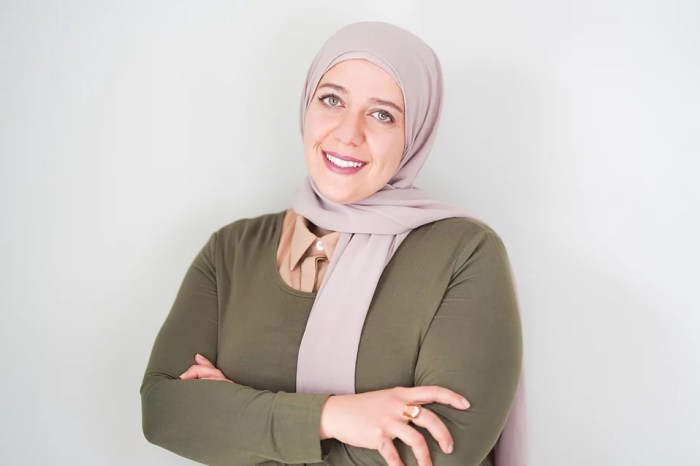
APRIL 16TH, 2025, FEATURE INTERVIEW WITH CHILDREN’S BOOK WRITER HEATHER STIGALL, CONDUCTED BY CHILDREN’S BOOK WRITER, BLOGGER, AND FORMER LIBRARIAN CHELSEA DICICCO

Today, I’m talking with returning guest children’s book author Heather Stigall. In this month’s Feature Interview we’ll be trekking through the ups and downs of publishing and sharing intimate details of the daunting questions: “What do I do if my agent and I end up parting ways and/or my editor leaves?’ 

But before we do… here are a few things to know about feature interviews.

THE SCOOP: WHAT ARE FEATURE INTERVIEWS & WHO ARE THEY FOR?

Feature Interviews are a free resource for writers and illustrators at every stage of the publishing journey.

Every month, I collaborate with industry professionals—authors, illustrators, editors, and agents— many of whom were or currently are also educators and librarians, to discuss all things publishing.

What can these interviews offer YOU?

These interviews give readers an up-close and personal look at the world of publishing from an array of different perspectives on every side of the desk and offer insight into tips, resources, and advice on how to:

  • stay current with market trends
  • hook an agent or editor
  • find writing community & other resources
  • discover workshops, contests, and other events
  • figure out which path of publication is right for you
  • know if your agent is a good match

And more!

AND… if that’s not enough, every guest offers at least one giveaway prize—sometimes more. This means you have multiple opportunities to win prizes every month! *If you’re interested in entering the giveaway, scroll to the bottom of the interview for instructions.*

Not that we’ve shared a little about what’s in store… it’s time to jump into our interview!

Heather, it’s so nice to have a returning guest visit the blog. The last time we shared a chat was in the October 2023 Feature Interview. Now, fast forward to April 2025. How time has flown by! Since then, you’ve been through the mountains, so to speak, on your publishing journey.

When reading over your application for the Feature Interview segment 2025, I thought it was interesting and kind of comical how the route to publishing sometimes takes such unorthodox paths… far from linear. Publishing moves at a pace and rhythm of its own choosing and, more often than not, in quite chaotic upside-down and crisscross patterns, but eventually, things DO move forward, which is hopeful. Speaking of which… let’s jump into the first question.

Could you share a little about your 2025 project and its significance to your writing journey? What makes this book special, and what interesting experiences has it had? 

Thank you for having me back, Chelsea! You are so right about the far-from-linear path that publishing often takes, and my journey has been no exception! To answer your question about what made my 2025 project special, in short, it got me my first R&R (“revise and resubmit”), my first request for more work, and landed me my first agent. All amazing things! 

To expand on that a little, in the spring of 2021, I had the opportunity to submit a manuscript for a professional critique through a webinar I hosted for our chapter of SCBWI (Eastern Pennsylvania’s chapter of The Society of Children’s Book Writers and Illustrators). I submitted a story that had been through several rounds of revision and critiques by my critique partners. The agent had a lot of positive feedback about the story’s character, voice, language, themes, and marketability, but she also had some suggestions for how she felt I could improve the plot’s middle section. Then, much to my surprise, she said that even though she was taking on “very few picture book text these days,” she “encouraged” me to query her for representation and was “happy to take another look” at my story. I knew then that I had something special!

I did a few more revisions and that summer, I queried her. Within two weeks, she responded, asking me to send more work! A first for me! She specified that she was not asking for an exclusive submission, but to check in with her if I received an offer of representation while she considered my work. So, I began sending my story out to other agents while waiting to hear back. One of those submissions was to Beth Marshea of Ladderbird Agenc,y who was a 12×12 Picture Book Challenge Featured Agent (“Gold” members of 12×12 receive special monthly submission opportunities). Beth responded the very day I sent her my manuscript to say, “When I tear up at the end of a PB I have to talk to the author!” After talking with Beth and sending her more work, she offered representation. I then went back to the agents who had my work and had not yet responded, including the first agent who was considering my work, but I ultimately signed with Beth. A few weeks later, we went out on submission with my story about a boy who wanted to be friends with a ghost!

For many writers AND/OR  illustrators looking for literary representation, it’s the dream goal to find “the agent” and ideally work together for, if not the remainder of, then at least a significant chunk of their author and/or illustrator career. But, as we know, that’s not always the case. Agents move and sometimes leave the industry altogether, and so do editors. 

Many creators might shudder in fear at the thought of “starting all over again” and wonder, ‘What happens if my agent/editor ends up leaving the business or we end up parting ways? Where does that leave me and my book? What are the next steps to take?’ Since you have some experience with the things listed above, could you share a bit about your experiences, as well as the steps you were able to take?

Again, you are so right, Chelsea! I had a wonderful working experience with Beth. She was enthusiastic about my work, we got a book deal on the first story I sent her, she negotiated my contract, and we went out on submission with a second story. But in the spring of 2023, Beth informed me that she decided to take a step back from representing authors. She would continue to represent me on the book I had coming out and negotiate any offers we received on the story we had on submission at that time, but that would be our last project together. I was so disappointed! And the thought of querying authors all over again was daunting.

But that wasn’t the only roadblock I encountered that spring. A month after Beth informed me that we would be parting ways, Beaming Books (with whom I had a contract for GILBERT AND THE GHOST) informed me that the acquiring editor would no longer be working for them. Then, the following month, the publisher informed me they decided to push GILBERT AND THE GHOST’s publication date from Fall 2024 to Fall 2026! I had the option to withdraw from my contract, but I knew that even if I received a new book deal the following day (hah!), the publication date would likely be the same (or farther out). 

I took a little time to let all this news sink in and after collecting myself, I retrieved my old agent research and updated it. I polished the stories I felt had the most promise. I crafted a new bio for my query letter that included my new publication credits. Then, I spent the summer and fall querying agents again. I collected rejections again. But this time, I got three requests for more work, and it took less time to find new representation (six months vs. almost four years). Now, I’m represented by the amazing Amy Nielsen of The Purcell Agency. And (bonus!) Beaming Books decided to push the publication of GILBERT AND THE GHOST to 2025!

-WOW! Truly an amazing journey, Heather. And this speaks to your resilience and adaptability- which we all know are greatly needed qualities to stay afloat in this ever-changing industry.

Let’s talk a little about R&R’s. What experiences did you have with R&R’s, and how did they impact your writing? Explain.

Great question! My experience with an R&R is a perfect example of how subjective this business can be. As I mentioned above, the agent who requested an R&R on GILBERT felt the middle section needed revision and offered reasons why (she had some questions about the story’s believability). It is interesting to note that she felt the story’s ending was “sweet and satisfying.” I agreed with almost all her suggestions and revised accordingly. When I queried her, I thanked her for offering to look at my revision (which served as a reminder that she did) and briefly explained how I addressed her concerns. I also explained why I decided not to revise one item she commented on. She must have liked the changes I made because that led to her asking to see more of my work. 

Interestingly, however, somewhere in the process of making these revisions, I had another critique opportunity with a different agent, and she had some different opinions. For example, she wanted Gilbert’s family to be more empathetic to his cause; to encourage him to be brave along the way. I wanted them to act more as antagonists (just not in a mean way), so I decided to ignore that suggestion. The agent also felt that an editor might shy away from my story because the ending wasn’t “decisive” enough. It was my intent to leave room for reader interpretation at the end, so I ignored that suggestion as well. I did agree with a few of her other suggestions, but I only incorporated the feedback that resonated with me.

I’m glad I followed my instincts, because the agent I ultimately signed with obviously loved the version of the story I chose to stick with, and it was the version that resulted in a book contract.

-I really love how you explained this, Heather, and I think it’s SO incredibly important for creatives to learn this balance as well, knowing what feedback to take and what feedback to ignore. Being flexible and open to edits and changes to your work is something you’ll always need to have in this field. That being said, knowing what resonates with your vision is crucial. If an agent suggests an edit that doesn’t align with the “heart” or “vision” of your story, knowing how to stand your ground and tactfully defend/explain your vision will go a long way in having a happy relationship, as well as being satisfied with your end product.

Let’s talk about unexpected – shifts in plans (and timelines). You mentioned that since signing the book contract and losing your agent AND the editor being let go, AND THEN the publisher pushing the pub date out by another TWO YEARS- Ahh!- that you then got a new agent -(yay!) and after this, the publisher pushed your pub date back up by one year. *Oh-my-goodness.  Talk about a ROLLER COASTER. I almost got whiplash just from writing this…*

During this uncertain time, I can only imagine the overwhelming emotions you may have been going through. How did you manage to keep it together and stay the course? And what advice would you give to authors and/or illustrators who may be facing similar up-and-down challenges?

A wild ride, for sure! Of course, I was crushed to receive news that I had been “orphaned” and then that my book had been orphaned too. I was starting to feel invisible, just like the main character of my story. But I knew others who had been through similar situations, and I asked them about their experiences. It helped to know I wasn’t alone. I also counted my blessings. I had the support of my critique partners, family, and the kidlit community, and my first book was about to launch (PAISLEY’S BIG BIRTHDAY released in August 2023). I told myself that the delayed publication date for my second book would allow me more time to promote the first. I could also use the extra time to research and query agents as well as polish more manuscripts when received a request for more work. I took comfort in the fact that I found an agent who believed in me once, so I had faith I could do it again. And, in the process, I continued my “rejection ritual” that helps take the sting out of all the NOs. When I receive a pass on a submission, I put a dollar in my “Rejection Jar” (which I’ve recently re-named my “Not Yet Jar,” because at school visits I encourage students to think in terms of “not yet” instead of “no”). When I receive a “yes” I spend the money in the jar on something for myself. So, my advice to those who are facing challenges like this is: Take the time you need to grieve, find your support system, take a breath, get back in there, and believe in yourself!

-Something that I really loved that you said when you were expressing the up and down journey with this book was: “One of the main themes of the picture book is to believe and not give up, so I guess it’s fitting that it’s path to publication took believing and perseverance as well!” All I could think was YES, that is absolutely the truth!

No doubt, there were disappointing moments during your journey: close-calls, near-misses, and some tears shed along the way. But, at the end of the day, when it’s all said and done, would you say the rewards outweigh the moments of struggle? Explain.

Absolutely! I tend to look at the bright side of things, so when I hit a hurdle or roadblock, I tell myself that there is a reason for it. So maybe the delay in GILBERT’s publication was to allow me to savor PAISLEY a bit longer. I’ve had so much fun planning a launch, doing storytime events, school visits, book festivals, and more. Now I feel even more prepared to launch book number two and look forward to all the fun I’ll have sharing GILBERT AND THE GHOST with all those readers out there.

What have been some of the happiest moments of your publishing journey?

Oh, there have been so many! Besides signing with two agents and getting two book contracts, some of my happiest moments have occurred while promoting at events. I am fortunate to live near a few indie bookstores, and I’m a frequent visitor of Children’s Book World in Haverford, PA, so I asked them if they would host a book launch for my first book, PAISLEY’S BIG BIRTHDAY (they’ve agreed to host my launch for GILBERT too). Paisley is a bunny, so I baked and decorated carrot cupcakes and bunny-shaped sugar cookies and made “carrot” savory treat bags. I had several surprise guests, including my aunt who is a big fan of picture books (she was a kindergarten teacher in her former life). I had commissioned her to make me stuffed toys that looked like the main character and her brother, Paisley and Pip, so it was especially meaningful to have her at my launch. Paisley and Pip now come with me for all my book events! 

Another highlight was meeting the illustrator of PAISLEY’S BIG BIRTHDAY, Natallia Bushuyeva. This was very unexpected, as she lives in France! My husband competes in triathlons and qualified for the 2023 World Championships in the half-IronMan which was held in Finland that year. After his race and before coming home, we vacationed for a few days in Paris and arranged to meet Natallia. We met at a little café and signed each other’s copies of PAISLEY. How cool is that?

I love sharing my love of books with children. I have done several storytime events at bookstores and libraries and have also done some school visits. Everything from the kids’ enthusiasm to the questions they ask to the fan mail is more than enough reason to know pursuing children’s book writing was the right path for me.

Why do YOU write? What does writing mean to you?

I write to engage the creative part of my brain and to connect with my inner child.

What do you hope your stories will give your readers?

I hope to connect with the children who need or want to hear the stories I want to tell.

What’s something that you think every author and/or illustrator should know about publishing that you wish you had known sooner?

I think it’s important to understand that children’s book writing and illustrating is a business. We can pour so much of ourselves into our stories, so it’s understandable why rejections feel personal and can downright hurt. But there are so many reasons why an agent or editor passes on a manuscript, even a well-written, marketable one. Keep writing and submitting – your “yes” is out there!

What are some writing resources/contests/groups/workshops/etc. that have benefited you most along the way? How have they helped you? Did they help you find community, critique groups, accountability partners, deepen craft, etc.?

I am the poster child for trying out writing resources! I could name so many specific resources I’ve used that have contributed to my journey in kidlit (way too many to list them all here), but I’ve grouped them in more general terms:

The library and bookstores: I check out stacks of books from my local library regularly. Not only have I read books on the craft of writing, but reading books in the format/genre in which I write (mostly picture and chapter books) helps me see what I can do to improve my own writing and to see what books are being published and by whom. Bookstores are also great because you can see how books are being positioned and promoted to boost sales.

Joining SCBWI led to finding my critique group; attending local and not-so-local, in-person and virtual conferences and events; and to a volunteer position. That led to connecting with other writers/authors, illustrators, and industry professionals; learning more about my craft and about the industry; and improving my writing, revision, and critiquing skills.

Joining challenges (like 12×12, StoryStorm, Reading for Research Month, and March on with Mentor Texts) challenged me to write and read more, connected me with like-minded creators and more critique partners, and encouraged me to persevere.

Entering contests (like PBParty, the Rising with the Stars mentorship, and the #PBChat mentorship), and applying for awards and conferences (like SCBWI awards/grants and the Rutgers One-on-One Plus conference) challenged me creatively and pushed me to get my work out there. 

Subscribing to (a ton!) of podcasts, blogs, publisher mailing lists, and author/illustrator newsletters, has been hugely influential. I’ve learned about writing, marketing, and author visits; about classes, workshops, contests, and mentorships; about industry trends and changes; about agents, editors, and publishers; and more. These sites (Chelsea’s is one example) often offer opportunities to win prizes like free books and critiques, and I have been the winner of a few. Bonus: Subscribing is FREE!

What do you think the main keys are to staying the course and keeping your joy in publishing? Feel free to share as many keys as you like! We’re open to all the wisdom.

Prepare (learn your craft and about the industry; work on what you can control). Practice (write, revise, share, submit, repeat). Have a Positive attitude (celebrate small successes). Persist! 

Speaking of wisdom: what’s one piece of writerly advice/wisdom that you feel has been most helpful to you as a writer?

Keep going! 

Okay, now we’ve entered the book portion of the interview. Tell us about your newest book! Starting with: What was your inspiration? 

My newest picture book, GILBERT AND THE GHOST (illustrated by Jess Mason; Beaming Books, August 2025), began with two things – a title idea and a childhood memory. The title came about during Tara Lazar’s 2020 StoryStorm challenge. I like wordplay and thought “ghost writer” had potential for a picture book title (notice it’s not the title of my book now). The childhood memory came from my happy place – the beach. Beginning when I was two years old, my parents and my aunt and uncle rented the same beach house every year. I have many fond memories of summer days with my cousins at the beach, but as I brainstormed ideas for what to do with my fabulous title, I recalled one memory in particular. Before we left our rental for the season, we would hide a note somewhere in the house, hoping to find a reply when we returned the following year. Surely someone would want to be our pen pal! The next year, we’d check our secret hiding spot. Did anyone reply? No. But our note was missing! Someone must have read it, right? Maybe they did reply, but another renter received the note before us. So, we tried again, for several years, believing that eventually we would become friends with another beach lover, even if we never met. With that memory in mind, I wondered if I could write a story about a child who wrote notes to a ghost he believed lived in his neighborhood, even though no one else believed. A friendship story between a child, who understood what it was like to feel invisible, just like a ghost, and a ghost, who might want a friend too. So, I did!

Here is what the jacket copy for GILBERT AND THE GHOST says:

The ghost at 632 Savannah Street is real . . . right?

Gilbert often feels invisible, just like the ghost living at 632 Savannah Street. Despite his family’s disbelief, Gilbert leaves gifts for the ghost: a friendship bracelet, a plate of cookies, even a drawing with a note. When each disappears one by one, Gilbert finds that believing and friendship are worth the effort.

For kids who might often feel unseen, Gilbert and the Ghost is a ghostly tale of overcoming obstacles and finding friendship in mysterious places. Gothic, whimsical illustrations make this picture book perfect for spooky season, while its earnest themes make it worth a read all year round.

I didn’t plan it, but I realized much later that the story themes in Gilbert are a lot like what many authors/illustrators experience when they are trying to succeed in the industry. Gilbert, who sometimes feels invisible, believes in something most others around him don’t; but he perseveres and patiently keeps trying to achieve his goal (even though sometimes that’s difficult). I think we in the kidlit community can relate to feeling invisible when we submit into the “void” and often hear nothing back. Yet, like Gilbert, we persevere and try to be patient (even though that’s often difficult!). I am fortunate to have a very supportive family, and I’ve found the kidlit community to be extremely encouraging, but I know some creators encounter a lot of unsupportive (even if well-meaning) “doubters” just like Gilbert does with his family. So, I dedicate this book to all of you out there who are taking the steps to pursue your dream. I believe in you!

You shared something with me about feedback you received from the publisher on your book’s ending, and I really loved this experience because I think it’s very important as a writer to know when to budge and be flexible on something and when to tactfully stand your ground on something that speaks to your authentic author “voice” and the intention and vision that you have for your work. Could you tell our readers about your experience with this?

Absolutely! Before we got an offer from Beaming Books on GILBERT, the acquisition team came back with a few questions, one of which was about the ending. Earlier in this interview I talked about receiving agent feedback regarding what she felt was an indecisive ending, so I worried I might not receive an offer from Beaming if I gave them the “wrong” answer. But it was also important to me that the ending stay true to my intent. I don’t want to give the ending away, so I will refrain from providing specifics, but I will say that I crafted a carefully worded answer to their question, sent it to my agent for approval, and she sent it along to Beaming Books. Thankfully, they offered!

What are you most excited about with the publication of this book?

Even though I’ve seen the final digital version, I’m looking forward to holding a copy in my hands! It’s been a long wait for this book and I’m incredibly proud of it. I’m also excited to see the educator guide my daughter is creating for the book (she’s a teacher and created a fabulous one for PAISLEY), for a ghost-themed book launch at Children’s Book World, and for more readings and school visits with children!

When does the book come out, and when can we pre-order?

GILBERT AND THE GHOST officially releases on August 19, 2025, but you can pre-order now! Ordering links can be found on my website HERE.

I have a special offer for everyone who pre-orders the bookfree SWAG! To get your SWAG, email or message me with proof of your pre-order purchase (you can use the contact form on my website; links below).

Any last words of inspiration that you’d like to share with our readers today?

Take a lesson from Gilbert – believe in yourself!

Thank you for joining us again, Heather. It’s truly been a treat having you. We’re all wishing you the best and continued success on this mountainous journey that is kidlit publishing.

Thank you, Chelsea, for having me on your blog again!

But that’s not all, friends! Now it’s time for…

A GIVEAWAY!!!

This month, Heather is offering a choice of either one signed copy of GILBERT AND THE GHOST or one critique of a fiction picture book, up to 800 words (preferably fiction).

HOW TO ENTER THE GIVEAWAY

  • Leave a comment on this post!
  • And if you haven’t already, like this post and subscribe to the blog and/or newsletter!

That’s it!

Want extra entries? Share and tag on X @chellysbooks or Instagram @chelseasworldofbooks, and I’ll add your additional entry to the giveaway pool.

DEADLINE TO ENTER: 11:59 PM CST ON LAST DAY OF APRIL 2025

Did you enjoy this interview?

Thank the author & host by purchasing or reviewing a copy of one of their books or by requesting it be purchased by your local school or library! Using the sponsored links below to purchase also helps support this blog.

Heather Stigall uses her experience with children and her degrees in Child Development, Psychology-based Human Relations, and Social Work to create stories that speak to kids. She is the Critique Group/Meet & Greet Coordinator for the Eastern PA SCBWI Chapter, a member of the 12×12 Picture Book Challenge, and a wife and parent to five children and one pup. When she’s not writing, you can find Heather hanging out with her kids (hopefully at the beach), reading, eating chocolate, baking, or creating all sorts of treasures. Her debut picture book, PAISLEY’S BIG BIRTHDAY (Clavis Publishing) released in August 2023, is available in five additional languages and is a 2023 Keystone to Reading Elementary Book Award nominee. Her second picture book, GILBERT AND THE GHOST (Beaming Books) is due out August 2025. You can connect with Heather through her website, HeatherPierceStigall.com, and her social media links at https://linktr.ee/HeatherStigall. PAISLEY’S BIG BIRTHDAY (Clavis, 2023) GILBERT & THE GHOST (Beaming Books, 2025)

Connect with Heather Stigall www.HeatherPierceStigall.com FB Heather Pierce Stigall, IG @heather_stigall7, Bluesky: @heatherstigall7, Twitter/X @heather_stigall

Looking for custom writer, librarian, or book-lover-themed swag and/or accessories? Visit my Zazzle store! Want to see a curated list of my personal favorite books and recommendations? Visit my bookshop page! Want to browse favorite writing accessories, books by genre, and cozy reading must-haves? Visit my Amazon Storefront!

Looking for a specific topic? Browse the list below to find a link to information on one of these topics:

BOLDJOURNEY Magazine, Interview with Kidlit Author, blogger, Entrepreneur- Chelsea DiCicco

Working in a creative field can be tricky… and mentally exhausting. This career path is littered with wonky obstacles and challenges, one of those being the struggle to keep creativity alive. So where does the happy medium lie between balancing life and keeping creativity thriving?

OCTOBER 2, 2024, FEATURE INTERVIEW WITH DYSLEXIC, NEURODIVERGENT, DEBUT CHILDREN’S BOOK AUTHOR-ILLUSTRATOR, AND PUPPET AND FILMMAKER KRISTA WELTNER, CONDUCTED BY CHILDREN’S BOOK WRITER, BLOGGER, AND FORMER LIBRARIAN CHELSEA DICICCO

Today, I’m talking with dyslexic, neurodiverse, debut children’s book author-illustrator, and puppet and filmmaker Krista Weltner. We’ll be chatting about learning differences and disabilities and their important role in literature- especially kidlit, multi-deal publishing a book series, debut to kid-lit secrets, routes to publishing- and of course- BOOKS AND GIVEAWAY PRIZES! Don’t miss your chance to enter the October Feature Interview giveaway prize pool by COMMENTING on this blog post before the deadline: October 31st, 2024, 11:59 PM CST.

But before we do… here are a few things to know about feature interviews.

THE SCOOP: WHAT ARE FEATURE INTERVIEWS & WHO ARE THEY FOR?

Feature Interviews are a free resource for writers and illustrators at every stage of the publishing journey.

Every month, I collaborate with industry professionals—authors, illustrators, editors, and agents— many of whom were or currently are also educators and librarians, to discuss all things publishing.

What can these interviews offer YOU?

These interviews give readers an up-close and personal look at the world of publishing from an array of different perspectives on every side of the desk and offer insight into tips, resources, and advice on how to:

  • stay current with market trends
  • hook an agent or editor
  • find writing community & other resources
  • discover workshops, contests, and other events
  • figure out which path of publication is right for you
  • know if your agent is a good match

And more!

AND… if that’s not enough, every guest offers at least one giveaway prize—sometimes more. This means you have multiple opportunities to win prizes every month! *If you’re interested in entering the giveaway, scroll to the bottom of the interview for instructions.*

Not that we’ve shared a little about what’s in store… it’s time to jump into our interview!

INTERVIEW QUESTIONS

Krista- welcome to Chelsea’s World of Books literary blog! It’s so great to have you with us today. This month is a big month for neurodiverse celebrations, as October is not only DYSLEXIA AWARENESS MONTH, it’s also ADHD AWARENESS MONTH! As a neurodiverse girl, I’m thrilled to be celebrating with a fellow neurodiverse creator!

In honor of that, I’d love to start by asking: what words of wisdom would you like to share with other neurodiverse creators today?

Thank you for having me! My advice is to set your goals high. There is no reason you can’t achieve anything you want to.

Chelsea’s Words of Wisdom: I think Lupe Fiasco’s- Superstar says it best. 🙂 Also, you deserve something nice. Here’s a link to a cozy blanket.

Okay, so let’s go back to the very beginning. When did you first fall in love with writing and illustrating? Have you been drawing and writing stories since you were little, and did you always know that you wanted to pursue this as a career, or did that happen later in life? Explain.

I've had a few careers. I have worked in stop-motion animation, theater, the theme park industry, and publishing. I’ve been creating since I was a kid, but I never thought I would be an author! As a kid, I made my dollhouse furniture and dioramas and painted and sewed costumes for my stuffed animals…my play was making things. I went to college for theater design and technology and then to graduate school for puppet arts. My love of inventing and creating my own stories really emerged from that time in my life. We learned how to build puppets, wrote scripts and performed them. While I was in grad school, a newly formed stop-motion class was offered in a completely different department from mine. A lot of the students in that building were pursing degrees in illustration, which is something I had never considered. The exposure to what they were doing sparked my interest and curiosity about publishing. It was something I immediately began to pursue after school.

When did you first begin actively pursuing publication? And about how long from that time did it take for you to finally achieve that big publishing moment of holding your first book in your hands?

I started forming an illustration portfolio in 2017. I held my first books earlier this year, January 2024.

I know we talk a lot about the *final product* AKA the book being published, but there are so many wonderful milestones to celebrate throughout the publishing journey. What are some little/big milestones that you were able to celebrate even BEFORE publication?

One of my favorite memories was during the acquisitions phase with Free Spirit Publishing. I had been messaging back and forth with the acquiring editor for months. There was some interest in the manuscript I submitted, which made me feel like I was on top of a mountain. I received an email asking what I thought about expanding the idea to a series and if I had more ideas for my main characters. I was working on a film with Laika Studios at the time (my partner also worked there.) I remember running down to his department to tell him about the email. I was shaking, I was so excited.

What are some challenges you’ve faced on the publishing journey, and how have you overcome them?


I’m dyslexic, so there are some obvious challenges associated with that. But my biggest hurdle is time. I cannot do publishing work full-time, so I always have a 40 or 40+ hour a week job. I always make my deadlines, but I often wish I had more time to make my work that much better.

BEGINNING STEPS TO PUBLISHING: FIRST DRAFTS & QUERYING

I know we talked a little bit about the beginning of your publishing journey, as in “when” it started- now, I’d love to dive deeper into the steps that were involved in those beginning stages for some of our readers who may be anticipating diving in themselves but aren’t sure where to start.

Let’s start with the first drafts. What was that stage like for you? And who was your support system during those early stages?


In 2018, I focused on creating an illustration portfolio. My friend and critique partner challenged me to draw my dyslexia as a character. I credit him with planting the seed that would eventually develop into my book series. In the years that followed, I drafted many ideas for this character. I was also learning digital illustration. I submitted to slush piles, got feedback at conferences etc. It took years, but I also worked on other projects at the same time.

When (and how) did you find your first critique group partners and/or other writing community?

I have a fantastic critique group! We all met at the Mid-South SCBWI Conference and other events about six years ago. There are 6 of us who are all authors and Illustrators. We meet via Zoom when we can. Sometimes it’s about work, and sometimes it’s about catching up and supporting each other. I’m amazed when one of us has a book come out. It’s so fun to cheer each other on. I feel like we are on a team, and when someone has a book come out, it feels like we all won.

Were there any writing organizations, special events, or other communities that especially helped you in the early stages of publishing to stay on the path and keep moving forward? Explain.

Yes, The SCBWI was my education in publishing. I’ve been in three different chapters at this point. I think the value to be gained can depend on where you are and how active your chapter is.

Okay, so you have your writing community and your first, second, twenty-fifth, and fiftieth drafts… now you’re finally ready to enter the query trenches. Queue daunting music.

Tell us about your introduction to querying. What methods did you use to find your literary agents? Did you Google different agencies? Was there a specific literary blog you followed? Did you use QueryTracker, etc.?

Since I wanted to pursue traditional publishing, I queried publishers that took unsolicited submissions, and I researched agents on Manuscript Wish Lists. However, I still don't have an agent. I would love to find someone to work with, but it hasn’t happened yet. I’m querying agents right now with a picture book dummy and a graphic novel pitch. I’m also working on a comic series. I caught Free Spirit's attention during a #PBPitch event on X, then Twitter.

What kind of query responses did you receive from agents, if any?

Often, it’s crickets, which is okay. They are busy people. When I do get a rejection email, I have a personal policy of looking at my list of agents or publishers and sending out another query. I don’t want to sit with the disappointment for too long.

If you had to give a rough estimate, how many agents/queries would you guess you sent? And what was the timeframe?

It’s so hard to say! Maybe 50? With various projects. I don’t really know. When I was offered my three-book contract with Free Spirit, I queried five or so agents with “OFFER RECEIVED.” When I didn’t get any interest from that round, I negotiated the contract myself. I think the experience taught me a lot. I also had some contacts with other authors and illustrators who are further in their careers, and they were able to give me some invaluable advice about what to look for in the contract.

In addition to querying literary agents, you also submitted directly to editors at publishing houses. Eventually, you got an offer from an acquiring editor prior to getting literary representation. Can you tell us more about this? What was the submission process like versus the querying process?

It can be similar. Most publishers want a dummy with one or two finished illustrations plus a query letter. For publishers, it’s more about whether this book aligns with their catalog. For an agent, do I fit with what this agent is looking for? And do they fit what I’m looking for? I am looking for someone who represents authors and illustrators and supports picture books and graphic novels. I also want to know that they have authors working with publishers who do not take unsolicited submissions.

Outside of Free Spirit Publishing, did you receive any responses or offers from other publishers/editors?

I don’t think so, not for my Molly and Lexi series. The book is about supporting the social-emotional side of growing up with Dyslexia. That is incredibly specific, and Free Spirit was the perfect home for these books.

Can you tell us about the multi-book deal for your series and how that came about?

In the acquisitions phase, the acquiring editor asked if I could expand the idea to a series. We went back and forth, and I pitched a lot of ideas.

We ended up with three books centered around Molly, who is dyslexic, and Lexi, an imaginary friend or personification of dyslexia. The books focus on advocacy, self-esteem, and celebrating dyslexic strengths, but they offer a balanced perspective of dyslexia.

So, once your editor had made an offer, you queried agents, letting them know you had received a series deal but weren’t able to find an agent, so you went at it alone. Being in the position of representing yourself and going through traditional publishing without the aid of an agent, can you share your thoughts on some pros and cons of this?

The pro was that I learned a lot. I intend to keep going in this industry, and even if I do have an agent working with me next time, I will be better prepared because I went through it alone the first time. I have a family member who is a contract lawyer working in another sector, and he was able to help me understand a lot of the legal language. But he wasn’t versed in what is typical in the publishing industry. I got advice from friends who were already published, which helped. But I made some mistakes, and I think I will be more prepared if it happens again.

What are some valuable lessons you learned from this experience that you’d like to share with others?

I learned some valuable lessons about specific legal language. Also, ask for what you want. The worst they can say is no. And a piece of advice I heard from someone, “You are never guaranteed book sales, so get the largest advance you can.” I think this is really good advice. I can also recommend the book Law and Authors. I read this book recently, and I thought the information was good and would have helped me had I read it back then.

Moving forward, would you want to continue publishing directly to editors without literary representation, or would you still like to find your agent match? Why or why not?

If the publisher accepts unsolicited submissions, I think I would be comfortable negotiating for myself now that I have gone through it. If it’s a larger-scale publisher that typically doesn’t take unsolicited submissions, I think I would prefer to work with an agent.

AUTHOR-ILLUSTRATORS: MAKING SMART DUMMIES

Being in the seat of both author and illustrator, can you share a little bit about your creative process for writing vs. art and what stages you typically work with first? For example, do you find that your stories come to you in the form of mental pictures first or in words? Explain.

Often, my ideas start with an image, a character, or a concept. My ideas seem to come out of nowhere and hit me fast. I typically build the story around key illustrations. For picture books, I tend to start by sketching the entire book in thumbnails and think about the text as I go. I will have an idea of the story I want to convey, but the words come to me slowly. While developing my picture book series with Free Spirit Publishing, I worked with an editor on the three manuscripts before fleshing out the illustrations. We passed the manuscripts back and forth. They didn't need to see illustrations at this point, but I was sketching anyway while I was writing because I couldn't separate the two. I try not to get too married to illustrations during the writing stage and I tend to place greater importance on the illustrations over the text.

For new aspiring author-illustrators, could you share some formatting tips and secrets on how to make smart dummies? (If you have any picture examples that you’d like to share, feel free to share them! Just email them to me.)

I work in Photoshop and illustrate digitally. However, I like to print the pages out periodically and tape them to my wall, which helps me get a bird’s s-eye view.

When you were submitting dummies to agents/editors, what (and how much) was included? Full book dummies? Partial book dummies? Pencil outline? Full color? Etc.


I do a full sketch dummy in a PDF. I choose two illustrations to finish fully. It depends on the publisher, though. Some want one finished, some want two, and some want to see a summary without the manuscript or dummy first. I’m always scratching my head at this one. When the picture book is only 200 words, but the summary is 500.

What advice would you like to offer to aspiring author-illustrators who are at the beginning of their publishing journey?

Keep going! Chip away at it every day and learn about the industry. Just move forward.

What’s one (or more) writing resource(s) that was absolutely invaluable to you, and what would you recommend to other author-illustrators?

Scott McCloud’s Understanding Comics.

Comic inspired by a recent school visit

BOOKS + INSPIRATION

Okay, we’ve made it to one of my all-time favorite parts of the interview… the part where we talk about the BOOKS. Please share with us your incredibly inspiring dyslexia-centered books. We want to hear all about Molly. Who is Molly, and what does she mean to you personally?

Molly is a young dyslexic girl learning to navigate the challenges of dyslexia with creativity and determination. Her dyslexia (Lexi) appears as an imaginary friend or personification of her dyslexia. Molly can interact with and confide in Lexi. The books cover what dyslexia is all about but also dive into the emotional challenges children with learning differences face.

I am dyslexic, and prior to this series, I did and continue to do a lot of advocacy work with dyslexia students. It means the world to me that I was able to give back to dyslexic children in this way.

How many books are in the series? And can we hear a little blurb about each one?

There are three books. In the first book, Molly’s Great Discovery, Molly gets diagnosed with dyslexia and learns how to self-advocate. In Molly Tells the World, Molly's class gets a new student who is also dyslexic. Molly grapples with the idea of whether or not to tell her classmates about her dyslexia. Ultimately, she does. This book is about helping children with the words to discuss their differences, and Molly grows in her self-esteem and appreciation for Lexi. The third book is called Molly Finds A Way. In this final book, Molly and her friend Leeann (who is also dyslexic) are having a playdate at Molly’s house. They use their dyslexic strengths to solve the problems they see.
In this feature interview, dyslexic author-illustrator Krista Weltner shares her experience as a kidlit publishing debut with a three-book-deal without an agent, and the steps involved in creating and submitting picture book dummies direct to publishers. Don't forget to COMMENT on the post to be entered into the giveaway pool! Deadline: October 31st 2024.
What is your inspiration for Molly and her adventures? Are her stories something that you wished you had had for yourself as a kid? Explain.

I was diagnosed with dyslexia when I was seven years old. My relationship with my dyslexia has changed dramatically over the years. It was something I hated about myself for a long time. That relationship inspires my series. What if we could tell our differences how we feel about them? What if we could tell our learning disability to go away?

I was interested in providing a book to children to examine their relationship with this part of themselves in a fun, creative way. In school, dyslexic children focus greatly on reading, writing, and spelling. However, there are specific emotional challenges that children with invisible differences face, and those challenges are often overlooked. I hope my series can help parents and educators with those tough conversations.

Were there any books that helped you as a kid with seeing yourself in stories? And other than your wonderful stories, what other stories could you recommend that also have a positive message about dyslexia and other learning differences?

I think the second book in the Pony Pals series was about one of the characters being dyslexic. I loved it! but I can’t recall any other fiction books on the topic from my childhood. I like The Dyslexic Advantage for adults hoping to learn about dyslexia.

Books about dyslexia are tricky because some of the most popular books, especially in the picture book category, are outdated and have content that contributes to misconceptions about dyslexia. I recommend looking at books published in the last ten years by reputable publishers. A few titles that I find good representations in include Fish in a Tree for older kids, Aaron Slater Illustrator, and the Hank Zipzer books.

What message do you hope to share with readers with your stories?

That dyslexic children are smart and capable.

Do you have a favorite illustrative spread? If so, which one and why? Pics or it didn’t happen!

I have two.

The first is in Molly’s Great Discovery, where Molly is being tutored in a classroom filled with children with various learning disabilities. In the illustration, each child’s learning disability or difference is represented with an imaginary character like Lexi. Each character looks different and is reflective of the child he or she belongs to.

My second favorite is Molly Tells the World. Molly and Lexi have been fighting, and Lexi has gotten so angry that she expands to the size of the room.
Both of these images were in the earliest drafts; I think that’s why I love them. 

If you could relay one message to kids with learning differences, what would it be?

You are brilliant! Set your goals high. Your path might look different from others but enjoy and embrace it.

Thank you so much for joining us today, Krista.
And now…
It’s time for a GIVEAWAY!

For the month of October, Krista is offering the following giveaway prize to one winner:

A free copy of Molly’s Great Discovery (the first book in the series.) 

HOW TO ENTER THE GIVEAWAY

  • Leave a comment on this post!
  • And if you haven’t already, like this post and subscribe to the blog and/or newsletter!

That’s it!

DEADLINE TO ENTER: October 31st, 2024, 11:59 PM CST

FAQ:

What if I was already subscribed to the blog? Does that mean I won’t qualify for the Prize Giveaway? Not at all! If you subscribed before this month, all you’ll need to do is LIKE this Feature Interview and leave your COMMENT below this post within the deadline (the current month/year entry was posted).

Did you enjoy this interview?

Thank the author & host by purchasing a copy of one of their books or by requesting it be purchased at your local library! Using the sponsored links below supports this blog.

Krista Weltner is a neurodiverse (dyslexic) author-llustrator. She debuted in January 2024 with her picture book series, Everyday Adventures With Molly and Dyslexia, published by Free Spirit Publishing. The series was inspired by her own experience growing up with dyslexia.

In addition to her literary pursuits, she works in stop-motion animation. Her work can be seen in the Netflix animation Wendell and Wild and Laika Studios’ upcoming Wildwood. Before her film work, she helped bring animatronic and puppet characters to life for the theme park industry. In 2016, Krista obtained a Master in Fine Arts from the University of Connecticut, where she presented her master’s project and short film, Partially Compensated (also inspired by her experience with dyslexia). Her short film has been seen in film festivals worldwide and has afforded her numerous opportunities to engage and advocate with others for a more inclusive world.

Twitter/X @kwelts1 Instagram @kristaweltner www.kristaweltner.com 

Looking for a custom writer, librarian, or book-lover-themed swag and/or accessories? Visit my Zazzle store! Want to see a curated list of my personal favorite books and recommendations? Visit my bookshop page! Want to browse favorite writing accessories, books by genre, and cozy reading must-haves? Visit my Amazon Storefront!

PURCHASE Molly’s Great Discovery

PURCHASE Molly Finds a Way

PURCHASE Molly Tells the World

PURCHASE The Raven Remix

PURCHASE ADHD and Me

Looking for a specific topic? Browse the list below to find a link to information on one of these topics:

SEPTEMBER 18TH, 2024, FEATURE INTERVIEW WITH AWARD-WINNING NONFICTION MG & PB CHILDREN’S BOOK AUTHOR MEGAN CLENDENAN, CONDUCTED BY KIDLIT WRITE, BLOGGER & FORMER LIBRARIAN CHELSEA DICICCO

Today, I’m talking with children’s book writer and environmentalist Megan Clendenan. We’ll be chatting about non-fiction in middle grade and how to get kids inspired to think about the world around them. We’ll also be sharing writing tips, free educator resources, and of course- giveaway prizes! So be sure to stick around to the end (or scroll to the bottom of the interview and drop a comment to enter the giveaway pool- extra entries for shares/retweets & tags!)

But before we jump into our interview, if this is your first time visiting the blog, here’s the scoop on Feature Interviews.

THE SCOOP: WHAT ARE FEATURE INTERVIEWS & WHO ARE THEY FOR?

Feature Interviews are a free resource for writers and illustrators at every stage of the publishing journey.

Every month, I collaborate with industry professionals—authors, illustrators, editors, and agents— many of whom were or currently are also educators and librarians, to discuss all things publishing.

What can these interviews offer YOU?

These interviews give readers an up-close and personal look at the world of publishing from an array of different perspectives on every side of the desk and offer insight into tips, resources, and advice on how to:

  • stay current with market trends
  • hook an agent or editor
  • find writing community & other resources
  • discover workshops, contests, and other events
  • figure out which path of publication is right for you
  • know if your agent is a good match

And more!

AND… if that’s not enough, every guest offers at least one giveaway prize—sometimes more. This means you have multiple opportunities to win prizes every month! *If you’re interested in entering the giveaway, scroll to the bottom of the interview for instructions.*

Not that we’ve shared a little about what’s in store… it’s time to jump into our interview!

INTERVIEW QUESTIONS & TOPICS OF DISCUSSION:

  • BEGINNINGS & INSPIRATIONS: WHY, HOW, WHEN?
  • ROUTES TO PUBLISHING: TO QUERY OR NOT TO QUERY?
  • TIPS & RESOURCES
  • TIMEFRAMES & EXPECTATIONS
  • MOTIVATIONS AND HEART
  • EMPATHY, AWARENESS, DIVERSITY
  • BOOKS
  • GIVEAWAY
  • AUTHOR BIO & CONNECT

“My kidlit journey began when my son was a newborn (he is now 14!) I wrote during his nap times, scribbling away on paper as fast as I could. Years later – those scribblings turned into my first published book, OFFBEAT…” @MeganClendenan

Megan, it’s wonderful to have you on the blog with us today. And it’s wild to think we’re already this far into the year. Where does the time go? I’ve had a chance to peruse your website (which is adorable, by the way- I love your header and color palette). While I was perusing, I saw that your book, Cities: How Humans Live Together, was chosen as a Librarian Favorite for 2024. Very cool! Congratulations. But before I head down the road of your accolades, I’d love to hear how you wound up in the kidlit publishing arena. How’d you get here? And where/when did that journey start?

Thank you so much for having me on your blog! I enjoy reading your feature interviews, and I always learn something new.

-Aw, that makes me so glad to hear!

My kidlit journey began when my son was a newborn (he is now 14!). I’d always written short stories and poems, but as a new mom at home, I decided I would try writing a novel, something I’d always wanted to do. I wrote during his nap times, scribbling away on paper as fast as I could. Years later – about eight, I believe – those scribblings turned into my first published book, OFFBEAT, a middle-grade novel for reluctant readers. While that was fiction, most of my kidlit writing is non-fiction (more on that below!).

Prior to your author days, what line of work were you in (or are you currently in, outside of writing)?

For many years, I worked full-time as a communications and fund development writer for non-profit groups that focused on social and environmental issues. My job was to create written materials that would raise awareness and inspire people to donate money. For example, I worked for an environmental law organization that took governments and companies to task for pollution, and I worked for a social service organization that helped to advocate for women’s rights, access to healthy food in urban areas, and affordable housing. Later, I moved from full-time to part-time and then contract as I became more and more involved in writing for kidlit.

-How fascinating! I love hearing about your history with nonprofits.

Now for the why. I love asking this question separately because I feel like it’s the most important part of it all, and so it deserves a space of its own. What is your big WHY? Why do you write the stories you write; what do they mean to YOU? And why do you want to share them with others; what do you hope they will mean to THEM?


This is such a great question! I think my ‘big why’ can be summarized into one word – curiosity! Writing non-fiction means that I get to constantly learn about new topics. I choose subjects that I’m curious and intrigued by and that I think middle-grade readers will also find interesting but that they may not have been exposed to. Although I’ve written about topics that can feel large and challenging to consider, such as climate change, food security, or human rights, I always try to leave readers with the hopeful message that small actions can go a long way and that change is possible. I hope my books spark questions, discussion, and curiosity about the world and how we can work together to find sustainable and equitable solutions for the future. I enjoy writing for middle-grade readers because I love how full of wonder and curiosity they are, with great questions and an openness to learning about the world.

-I love this!

“…My big why can be summarized into one word – curiosity! Writing NF means I get to constantly learn about new topics. I choose subjects I’m curious & intrigued by & that I think middle-grade readers will also find interesting but may not have been exposed to.” @MeganClendenan

“I hope my books spark questions, discussion, and curiosity about the world and how we can work together to find sustainable and equitable solutions for the future. I enjoy writing for middle-grade readers because I love how full of wonder and curiosity they are, with great questions and an openness to learning about the world.”

I saw in your bio that you’re a freelance writer. Could you share a little about what freelance writing in publishing entails? And how might someone go about pursuing this as a career? How does freelance writing differ from traditional publishing? Explain. (Payments/contracts/timeframes, etc.)

I’ve pursued a few different avenues of freelance writing, some in publishing, some not. When I first started taking writing contracts, which is essentially what freelance writing means, I had just left my part-time role as a communications writer for a non-profit. The administration at the non-profit was very supportive, and they not only offered me some of my first contracts but they also recommended me to their contacts – and that’s how I got my first set of clients. 

-Wow, that's so interesting!

I did ghostwriting for executives, mostly women, as well as wrote grant applications, website copy, and other business materials, to name a few things. Topics ranged from children’s psychology to engineering technology! Other clients came from word of mouth. In terms of pay, I charge an hourly fee, and I invoice my clients upon completion of the work.
 
But I still wanted to pursue my dream of working in kidlit. I was working on my novel, but I also put together a work-for-hire ‘package’, which was essentially my resume, my interests/area of knowledge, and a few writing samples that I created specifically for the K-12 market. After sending out A LOT of packages (I can’t remember how many, but lots!) and waiting more than six months, I was offered my first work-for-hire contract! Since then, I’ve worked for a few different publishers on a range of assignments, for example, reading comprehension passages, biographical stories, a non-fiction book for reluctant readers.
 
Work-for-hire in the publishing world is not a high-paid endeavor, especially compared to the contracts I do for non-profits and businesses. In my experience, I was hired to write a specific idea determined by the publisher on a flat-rate basis, half when I signed the contract and the remainder upon completion of the work. And they often have very tight timelines. But I love writing kidlit, and if you work efficiently and find opportunities that you think are fair, it can be a great way to earn some money.

“Work-for-hire in the publishing world is not a high-paid endeavor… In my experience, I was hired to write a specific idea determined by the publisher on a flat-rate basis, half when I signed the contract and the remainder upon completion of the work… And they often have very tight timelines.”

Do you have any suggestions, tips, or resources you’d like to offer writers who may be interested in looking into freelance writing?

My advice to someone who would like to pursue freelance writing would be to consider their own networks and experience. Is there a niche area where they could offer expertise as a freelance writer? If so, is there a contact they could approach? What I found was that once I had some contracts completed, people began to refer me to others, especially when I let them know I was looking for additional work.

In terms of breaking into the kidlit work-for-hire space, I recommend putting the effort in to create a quality package of writing samples. They request ‘unedited’ samples, so it can’t be work that you’ve already had published, so it does take time to research and write the samples, even though they aren’t long (I did 2-3 pages for middle-grade and about 500 words aimed at a younger audience). Specific resources that I found useful include:

Evelyn Christensen has created an amazing list of potential work-for-hire markets on her website as well as a great list of tips:
http://www.evelynchristensen.com/markets.html
http://evelynchristensen.com/markettips.html

I also highly recommend Laura Purdie Salas’ book Writing for the Educational Market for guidance in creating a packet to send to work-for-hire publishers.
Do you write freelance writing across genres- if so, which genres do you write in? And what are some of the topics you write about?
I have written in a wide variety of genres! Some of the topics I’ve written about are sustainability/environmentalism, biography, and outdoor adventure.

“My advice to someone who would like to pursue freelance writing would be to consider their own networks and experience. Is there a niche area where they could offer expertise as a freelance writer? If so, is there a contact they could approach? I found that once I had some contracts completed, people began to refer me to others, especially when I let them know I was looking for additional work.”

In terms of breaking into the kidlit work-for-hire space, I recommend putting the effort in to create a quality package of writing samples. They request ‘unedited’ samples, so it can’t be work that you’ve already had published, so it does take time to research and write the samples, even though they aren’t long (I did 2-3 pages for middle-grade and about 500 words aimed at a younger audience). Specific resources that I found useful include:

Evelyn Christensen has created an amazing list of potential work-for-hire markets on her website as well as a great list of tips:

http://www.evelynchristensen.com/markets.html
http://evelynchristensen.com/markettips.html

I also highly recommend Laura Purdie Salas’ book Writing for the Educational Market for guidance in creating a packet to send to work-for-hire publishers.

- Thanks so much for sharing this information with us, Megan! These are terrific resources.

Do you write freelance writing across genres- if so, which genres do you write in? And what are some of the topics you write about?

I have written in a wide variety of genres! Some of the topics I’ve written about are sustainability/environmentalism, biography, and outdoor adventure.

So, you write non-fiction, which is so exciting because I love learning new things. Can you tell us a little bit about what it’s like writing non-fiction middle-grade novels as well as picture books and how that might differ from writing or pitching fiction?

I also love learning new things! When pitching fiction for the trade market, either with your agent or direct to publishers you need to have the full manuscript ready to go. Middle-grade non-fiction is different as it is usually sold on proposal rather than on the full manuscript. My process is to start with research and see if I can come up with a hook, structure, and a basic table of contents. If I decide I’d like to go ahead with the idea, I do more research, potentially interview an expert, and fully develop my outline. Then, I usually write at least one sample chapter. All those components will be part of the proposal that will go on submission to editors, alongside market information, curriculum tie-ins, etc. If an editor acquires the book, that’s when I would research and write the full manuscript. For picture book non-fiction, I write the full manuscript (and usually back matter as well), and that’s what goes on submission.

Now, you’ve worked on freelance projects, but you’ve also published multiple middle-grade non-fiction novels and just recently had the announcement of your debut picture book (congratulations!) that’s scheduled to come out in 2025. I’m curious: for your published middle-grade and picture book, did you have literary representation? If so, who were you represented by, and how did you end up with your agent?

Great question! For my first two middle-grade non-fiction books, I did not have an agent. Instead, I pitched my ideas directly to editors myself. In 2021, I signed with an agent. Since then, all my books have been sold through my agent.

I’m represented by Stacey Kondla at The Rights Factory. In 2021, I queried a number of agents, and right from the start, Stacey was excited about my work, and I ended up signing with her that summer.

-OH MY GOODNESS- CONGRATULATIONS!! This is HUGE news and definitely cause for celebration!

For those deciding which publishing route to take- agent, or no agent- traditional, or independent- could you talk a little bit about the differences between both and reasons why someone might choose one option over the other and vice versa?

Working with an agent is helpful for a number of reasons. They are familiar with the market, they build relationships with editors, and they can help you bring your work to the next level – important in such a competitive marketplace, and there are limited publishers that accept submissions directly from authors, so agents definitely open doors for authors in terms of access. That being said, there are publishers that accept submissions directly from authors, so some writers might want to go that route. I think it's a personal choice!

For some of our readers who may be new to the publishing scene, could you share a little bit about the steps involved with your publishing journey? (Querying & submission process, timeframes, rejections, champagne rejections, the close calls, the big call, and the final YES)

For sure! It’s definitely a long journey and can feel even longer because there is a lot of waiting involved. When I queried agents, I sent out about 15-20 queries in my first round. My agent was in that first round, and so for me, the querying process was relatively quick. After she got in touch and said she liked my work, we had ‘the call,’ and she offered representation. Yay! Then we got to work putting together a project for submission to editors. Querying editors also takes time and waiting for responses can take weeks to months to even longer! For my upcoming non-fiction picture book, I believe it took around six - seven months from the day we went on submission to an offer, and from what I’ve heard, that’s actually quite a fast timeline! However, not all manuscripts that go on submission sell, and that’s true for all the writers I know. Last year I had a project that I loved, and it did a number of rounds of submission to editors. While I received some nice feedback about the writing, ultimately, it did not sell to anyone, and I’ve had to put that one in the back of the drawer – at least for now!

“[Publishing] is definitely a long journey and can feel even longer because there’s a lot of waiting involved… Querying editors also takes time and waiting for responses can take weeks to months to even longer!” @MeganClendenan

“Working with an agent is helpful for a number of reasons. They are familiar with the market, they build relationships with editors, and they can help you bring your work to the next level, which is important in such a competitive marketplace…”

“So much of what happens in publishing can’t be controlled. You can’t control what editors want or what the market is doing, supply chains, book bans, or what types of books are selling. You can’t control how long it takes a book to be published or variables like printing costs, etc. I try to keep myself focused on what I can control– which is creating quality work!”

What are some of the hurdles that may present themselves on the road to publishing?

So much of what happens in publishing cannot be controlled. You can’t control what editors want or what the market is doing, supply chains, book bans, or what types of books are selling. You can’t control how long it takes a book to be published or variables like printing costs, etc. I try to keep myself focused on what I can control, which is creating quality work!

What are some challenges you’ve faced, and how’ve you been able to overcome them?
Balancing writing with the rest of life can be tricky. Work-for-hire contracts are often on tight deadlines, and so other projects, especially those without contracts and deadlines, often get pushed to the background. And life can throw curve balls! Earlier this year, I was in a serious car accident and could only minimally work for three months. I managed to fulfill my current contracts (with some extended deadlines from editors!), but I couldn’t move forward with any new work, so I’ll have to catch up. It was frustrating, but to get myself back on track, I try to find one hour a day – or at least 30 minutes – to work on a writing project that pushes me creatively. I find this helps me stay inspired and move forward more productively with all the tasks I need to accomplish.
When dealing with publishing setbacks/discouragements/etc. what has helped/inspired you the most to stay on the course and continue?
Rejection and setbacks are part of being a children’s author – that being said, it can still sting. Every author I know puts so much effort and heart into their writing, myself included. I rely on my writing friends to help me weather rejections. We support each other through setbacks and meanwhile, I continue to develop new ideas, which keeps me focused on the present. I’m also inspired to write by reading. I read a wide variety of fiction and non-fiction, and many of my ideas have been sparked by reading. It’s pretty awesome that reading is a part of my job description!
For those who may be dealing with discouragements or difficulties, what words of advice or wisdom would you like to share?
Find a community of other kidlit writers! Being connected to other people who understand the industry and can offer support has been invaluable to me.
Here on the blog, we love sharing writing resources. I know you’ve participated in a number of groups. I’d love to hear more about some of the writing organizations you’ve worked with. (Inked Voices, 12x12, SCBWI) Could you share with our readers a little about what each organization has to offer and how it’s personally benefited you?

Absolutely! I am so grateful to all the writers' organizations I belong to; they each offer a little something different, and they have enhanced my writing and connected me to other writers. I’ve been a member of Inked Voices for many years, and it is a fabulous resource for finding critique partners and there are many other resources, such as monthly craft webinars and genre-specific community networking groups. I’ve found many wonderful critique partners on Inked Voices! I have joined 12x12 for the last two years, and it’s also an incredible resource for picture book writers. They have amazing monthly webinars and book chats, and I always take the time to watch those. For time reasons, I haven’t spent as much time using the resources available on 12x12, but there’s so much to benefit writers, and everyone in the community is very welcoming. I’m also a member of SCBWI and I have benefited from the many online resources and webinars they offer.

Speaking of AMAZING resources, you also offer resources on your website (which I’d love to link here for readers to find on my Teacher Corner tab also). Could you tell us about the resources you offer? Who are they for, and how can they be utilized?

I have free downloadable resources on my website for each of my books. They are educator guides meant to be used alongside the books to help inspire critical thinking about the topic. They could be used by teachers or parents, or older readers could use them independently if they choose. I try to create a range of discussion questions, writing exercises, and some interactive activities that might be useful in a number of subjects, for example, Language Arts, Social Studies, or Science. I’d love for you to link them here for readers. Thank you! The guide for What Do We Eat? is currently in the works and will be posted soon!

-Wonderful!

In writing, there are really no shortcuts- it requires a lot of effort, time, and commitment. But if you had a trick up your sleeve to share- what would it be?

I wish I had a trick up my sleeve, but in all honesty, I think the trick is to stay persistent and keep writing and revising.

Any final tips?
I’m going to repeat myself and say 1) don’t give up, and 2) find some writer friends to share the journey with.

-Thanks so much, Megan.

“…The trick is to stay persistent and keep writing and revising.”

“I am so grateful to all the writers’ organizations I belong to; they each offer a little something different, and they have enhanced my writing and connected me to other writers.” @MeganClendenan

We’ve finally made it to the land of books. I would love to hear all about your wonderful work! What was the inspiration behind it? How did the story begin (the story behind the story?) How long did it take to get from concept to manuscript to where you are now? Everything. Go! 

What Do We Eat? How Humans Find, Share and Grow Food
Releasing September 17th, 2024, from Orca Books

Summary; Imagine carrying meals with you as you parachute into a war zone. Or trying to stay well-fed while building the pyramids. People have always found ways to work together to put a meal on the table. What Do We Eat? is a delicious celebration of human creativity and cooperation, wrapped up in bite-sized slices of history, with a look at what scientists and inventors are cooking for the future. We are gobbling up Earth’s resources, and food is not shared equally. But today, there's a magic tree transforming the dry African plains, food “ambulances” on the move and cities that have declared access to food a human right. Hungry to find out more? Let’s roll up our sleeves and find out what’s for dinner.

Inspiration behind What Do We Eat?

During the Covid-19 pandemic, there were times when I went to my local grocery store and found empty shelves. I began to wonder: how difficult would it be to survive without going to the grocery store? That led me to more questions. How did people in difficult situations in history eat? What about people exploring the world? Escaping from injustices? Stranded far from home? How do people facing climate change adapt? This book is the result of all these wonderings (and a LOT of research!). From concept to publication was more than four years!

Cities: How Humans Live Together (Orca Books, 2023)

Summary: If you could design a city that would be both a great place to live and good for the planet, what would it look like? Today, about four billion people—more than half the world’s population—live in cities. This number could rise to seven billion by 2050. Cities: How Humans Live Together travels through time to explore questions like When and why did cities form? How did people access food and water? Where did they go to the bathroom? Peek into the past to see how cities have changed through time and explore what could make cities more sustainable and welcoming for today and tomorrow.

Inspiration behind Cities: How Humans Live Together

At university, I studied environmental urban planning, but I ended up on a different professional path. But, I remained curious and interested in cities and urban planning, and I wanted to write a book about cities around the world, past, present, and future. I loved researching cities for this book! This book was also about four years from concept to publication.

Fresh Air, Clean Water: Defending Our Right to a Healthy Environment (Orca Books, 2022) explores the connections between our environment and our health and why the right to live in a healthy environment should be protected as a human right. The book features profiles of kids around the world who are taking action and important environmental rights court cases. Hear the powerful stories of those fighting for change.

Inspiration behind Fresh Air, Clean Water

I was inspired to write this book after working as a grant writer at an environmental legal non-profit, where I worked to obtain funding for many cases, including about the right to a healthy environment. The idea that the right to fresh air and clean water could be fought for as a human right, just like the right to free speech, was such an exciting idea to me. Years later, I was inspired by youth-led climate lawsuits, and I was able to interview many youth activists, which was my favorite aspect of writing this book!

What do you hope your readers will take away from each story?

With all my books, I want to leave readers with a sense of hope and the possibility that change is possible, even when considering topics like climate change. That the power of human innovation, resourcefulness, and cooperation goes a long way. I hope my books spark questions, discussion, and curiosity.

Have you been able to host any fun author events? And what has the response been to your stories?

I love visiting schools, libraries, and festivals (it’s always exciting to be able to be there in person!) to share my books. One favorite author event was a two-part writing workshop I did with a group of high school students around the theme of Earth Day. Even though my books are aimed at a younger audience, it was wonderful to connect with high school students and get their perspective. I learned a lot by speaking with them!

As well, I’ve been fortunate that readers of Fresh Air, Clean Water have shared their thoughts as well as ‘climate march’ signs in response to the book (creating a climate march sign is one of the activities on my free Educator Guide for the book – found on my website). With these students’ permission, I put together a video to showcase their art and thoughts. You can find this on my website under Resources & Fun Stuff.

I also love connecting with schools virtually because it allows me to reach so many more locations! This fall, I’ve got some events planned around the release of What Do We Eat? and I’m so excited to finally share this book with readers.

-Very cool, Megan!

“I want to leave readers with a sense of hope and the possibility that change is possible… I hope my books spark questions, discussion, and curiosity.”

GIVEAWAY

For the month of September, Megan is offering the following giveaway prize to one winner.

Prize #1: A signed copy of WHAT DO WE EAT? How Humans Find, Grow and Share Food (middle-grade non-fiction)

HOW TO ENTER THE GIVEAWAY

  • Leave a comment on this post!
  • And if you haven’t already, like this post and subscribe to the blog and/or newsletter!

That’s it!

DEADLINE TO ENTER: September 30th, 11:59 PM CST

Want extra entries? Share this link and tag the host IG @chelseasworldofbooks X @chellysbooks to have another entry added to the prize pool.

FAQ:

What if I was already subscribed to the blog? Does that mean I won’t qualify for the Prize Giveaway? Not at all! If you subscribed before this month, all you’ll need to do is LIKE this Feature Interview and leave your COMMENT below this post within the deadline (the current month/year entry was posted).

Did you enjoy this interview?

Thank the author & host by purchasing a copy of one of their books or by requesting it be purchased at your local library! Using the sponsored links below supports this blog.

Book Links

Purchase Design Like Nature Biomimicry for a Healthy Planet

Purchase Fresh Air Clean Water

Purchase Cities How Humans Live Together

Megan Clendenan shares her experience with writing and publishing across non-fiction PB & MG and shares a look at the different options and routes to publication, including work-for-hire projects and writing for nonprofit groups, as well as landing literary representation and traditional publishing.

Purchase What Do We Eat?

Megan Clendenan is a freelance writer and award-winning children’s book author. She loves writing books that explore history, society, and the environment, and she hopes to inspire young readers to think critically about the world around them. Her books include DESIGN LIKE NATURE: BIOMIMICRY FOR A HEALTHY PLANET, which earned a starred review from School Library Journal (2021, Orca Books, co-authored with Kim Ryall Woolcock), FRESH AIR, CLEAN WATER: OUR RIGHT TO A HEALTHY ENVIRONMENT, which won the 2023 Green Earth Book Award (2022, Orca Books), CITIES: HOW HUMANS LIVE TOGETHER (2023, Orca Books), WHAT DO WE EAT: HOW HUMANS FIND, GROW AND SHARE FOOD (Orca Books, Sep 2024) and JUST IN CASE,[1]  a non-fiction picture book that will publish in September 2025 with Charlesbridge. To learn more and find free educator resources visit her at www.meganclendenan.com. Megan lives near Vancouver, British Columbia, with her family & two fuzzy orange cats.

Twitter: @MeganClendenan Instagram: @MeganClendenan

Looking for custom writer/library/book-lover-themed swag/accessories? Visit my Zazzle store! Want to see a curated list of my personal favorite books and recommendations? Visit my bookshop page! Want to browse favorite writing accessories, books by genre, and cozy reading must-haves? Visit my Amazon Storefront!

JANUARY 17TH, 2024, FEATURE INTERVIEW WITH CHILDREN’S BOOK AUTHOR AND LIBRARIAN ELAINE M. ALEXANDER, CONDUCTED BY KIDLIT WRITER, BLOGGER & LIBRARIAN CHELSEA DICICCO

Hello again, and welcome back to the second Feature Interview of January 2024 on Chelsea’s World of Books Blog. Isn’t it nice to chat more than once a month? In line with our educational aquatic theme for the month, I’m talking with guest children’s book author and librarian Elaine M. Alexander. Elaine is the author of another splish-splashy ocean adventure entitled Anglerfish: The Seadevil of the Deep.

But before we get into the interview… just in case it’s your first time here, let me tell you a little about what makes segments special.

WHAT’S SO GREAT ABOUT FEATURE INTERVIEWS?

Feature Interviews are an INVALUABLE resource for kidlit writers and illustrators at every stage of their publishing journey. Not only are they a great way to stay current on market trends and learn more about the industry’s ins and outs, but they also give readers an up close & personal look at the world of publication from the perspectives of a diverse collection of creators.

Every month, I sit down with members of the writing community (authors, illustrators, editors, and agents), and we discuss all things kidlit publishing.

Here are a few examples of topics:

  • Writing workshops and resources
  • Diversity in literature and why it matters
  • Where to find support and community
  • How to improve writing craft and set goals
  • How to deal with setbacks/disappointments and WAITING
  • Helpful tips and suggestions for aspiring authors and illustrators
  • Querying agents, contract negotiations, book deals, and time frames
  • And of course- NEW BOOKS!

So, now that you know what to expect… let’s dive into our interview!

Elaine M. Alexander Bio

As an author and a librarian, books play a big role in my life! Anglerfish: The Seadevil of the Deep is my first nonfiction picture book. It has received both an SCBWI Barbara Karlin Grant and a Katherine Paterson Prize and was a Gold Medalist for the Bank Street College’s Cook Prize.

I’m pleased to share that I’ll have a second fishy tale coming out in 2025 featuring the giant cuttlefish, to be followed by one on fireflies in 2026! The shy giant Pacific octopus will make an appearance in a future book, too!

A fan of dark mysteries and the natural world, I am fascinated by all things extraordinary and unique. I write stories for all ages. I have one published teen novel, Death at Deacon Pond, and two historical novels that I am hoping to find a publisher home.

Currently the Assistant Director/Children’s Librarian at Deep River Public Library, I love sharing the joy of reading to the community I serve. I’ve been known to dress up in character for storytime and I have an impressive collection of costumes and props, from superhero to Mrs. Claus. If you are interested in a specialized storytime, contact me for more details.

THE BEGINNING OF IT ALL

Elaine, I’m so excited to have you on the blog today! I can’t tell you how much I enjoyed Anglerfish: The Seadevil of the Deep. Being a big nerd for science and animals- and of course, a lover of the ocean, it’s no surprise that I was hooked the moment I saw this one. And, I might add, it was released at the perfect time for our Summer Reading Theme in the library for 2022: Oceans of Possibilities. 
But BEFORE we delve too deeply into the underwater world of your stories… let’s go back a little to what began your journey. How did you arrive here in the lovely, exciting world of children’s publishing?

I had encouragement from others! First, I took an advanced class with the Institute for Children’s Literature and wrote a novel. Second, when I was completing my undergraduate degree, I took a writing class with Dr. Lisa Fraustino, who is also an accomplished children’s writer. It was in her class that the first draft of Anglerfish appeared.

Have you always been a reader?

Yes. In fact, I was the only kid in my first-grade class who asked the teacher if I could take on more homework to learn to read faster. How’s that for motivation? I knew that reading was the key to unlocking a secret world that I wanted to be a part of.

Have you always enjoyed writing stories?

I credit my fourth-grade teacher, Mrs. Dempsey, for sparking my interest. She had the entire class writing stories and different forms of poetry all year long and even “published” the best of the lot. I still have my mimeograph copy. (Yes, mimeograph. I’m that old)!

I’m sure being a librarian has played a part in your love of reading and writing- and vice versa, I’m sure your love of reading and writing played a role in you ending up working in a library. Can you tell us, from your perspective, what it’s like working in a library and being a children’s book author?

It’s certainly fun when patrons come in to get my book and realize that I’m the author! When Anglerfish was nominated for the Cook Prize, the Deep River Elementary School media specialist, Karen Macione, was so excited that she immediately made sure that the students participated in voting. It was wonderful to get that kind of support and enthusiasm! I’ve also found that I’m a resource for other writers who reach out to me for help.

What are some of the benefits of being both a children’s librarian and a children’s book author? In what ways do these two career paths intersect? Do they help one another?

One of the best benefits of my dual careers is that I get very familiar with trends in the marketplace. As a librarian, I curate the collection for all stages of youth. I can see what books are popular with our user community and identify what books are needed based on the way our collection is used. It is also invaluable to be able to get research materials for new projects through the library!

Have you always known that you wanted to work in a library? Have you always known that you wanted to be a children’s book author?

No, but I should have! I was an AV aide for the library in elementary school. I used to ride my bike to the public library and the bookstore and spend hours there. I thought I was destined to be a teacher. The universe chose differently.

I’ve known for a long time that I wanted to write. I started to lean toward children’s writing in my twenties. I think we all have an appreciation for the immediacy of a child’s experiences and the way that books help explain and share that worldview. It’s truly a special thing that gets harder to hold onto as an adult, but ironically something we all long to keep reaching for.


Which came first, and how?

Writing came first. Librarianship was something I kind of stumbled into. I was working as a local reporter, and I would visit the libraries in our readership area to cover local events. I met Susan Rooney, a children’s librarian, and we started talking, comparing our career notes. She happily purchased my teen novel for the library. When a job opening came up at that library, I jumped on it, even though it was an entry level job. But fate is a funny thing. Although I have worked at different libraries during my tenure in Library Land (as I like to call it), I am currently working for that same librarian, Susan Rooney, at the Deep River Library. It’s no coincidence that she’s also included in my dedication for Anglerfish. She encouraged me and my writing long ago, and I never forgot that.

I love learning little tidbits like this! How very cool to be working with your early-on fan and cheerleader.
What was the final spark that led you into publishing, and how did it begin?

The Rutgers University Council on Children’s Literature conference was a big catalyst to my latest publication. If you’ve never been to RUCCL, it’s a unique conference. You need to apply with a writing sample in order to attend. You are matched with a mentor based on your writing sample, and you are allowed to submit to other editors and agents. Initially, I was disappointed because my mentor never responded after the conference. But, I ended up sending Anglerfish to an editor on the list who did me a great kindness – she passed my book onto another editor at Candlewick who loved it. When all the pieces come into place, and an editor loves your book – that’s an amazing thing.

BEHIND THE SCENES: FIRST DRAFTS & QUERIES: FACING REJECTIONS & CHALLENGES

Can you tell us a little about your querying process? When did you first decide you were going to take the plunge? 

I always believe in doing my homework first, so after I had a manuscript completed, I researched publishers before drafting a query. I also rewrite my queries depending on who I’m querying. I like to personalize it if I can.

So, you’ve made the decision. Now what? Where did you go to find agents?

I started out in publishing without an agent and sold a teen book to a small publisher. Later, when I was interested in being agented to expand the market I could submit to, I used resources like SCBWI or Agent Query to curate a list.

What kind of response did you receive when you first started querying?

Lots of rejections, but some of them were very encouraging, and a few wanted to see more work.

Do you remember how it felt to send your first query letter? Do you remember how it felt receiving your first query rejection?

Initially, it all feels scary to put yourself out there, and rejection seems so crushing and unfair. Your skin gets thicker, and I think all writers know that chocolate is your friend when you get a rejection.

Were any of the manuscripts you queried early on ones that you’ve since been able to get published? If so, which one(s)?

Anglerfish was one that I had queried early on and rewrote many times until it finally found a wonderful home.

Were there any query mistakes that you made early on that you realize now and wish you had known before?

Obsessing over sent queries. Don’t do it. Or try not to.

How many queries do you think you sent out before you found your agent match?

I currently do not have an agent. When I did have an agent, I think I sent about 40 queries before I had an offer.

How did you end up with your current agent/agency?

I am currently without an agent. What I learned from having one in the past is that it is very important to find someone who is a good match for you. I’ve just now reached a point where I’m starting to consider if I’d like an agent again, and I’ve been very selective in who I query.

Thank you for sharing this, Elaine. I think this is a fantastic piece of information for writers and illustrators to take note of. Making sure that you’re paired with the right agent is so incredibly important- and worth the wait.

“What I learned from having one (an agent) in the past is that it is very important to find someone who is a good match for you.”

WRITING COMMUNITY, INVALUABLE RESOURCES & MOTIVATION

When you first started out, were you writing alone?

Yes. I don’t think it has changed that much!

Did you have anyone to use as a sounding board or to get feedback/critique on your work?

Yes. I used to have a great online critique group. I think any of those writers would still be there to read if I asked. Currently, for my STEM picture books, I ask a scientist/expert to read my manuscript for accuracy.

Where did you go to find your writing community?

SCBWI Blueboards – a wonderful source for new writers. Locally, I’ve met some people through bookstore events, and I try to stay in touch via social media.

Did you receive any helpful suggestions along the way? If so, who gave them, and what were they?

The writing class with Dr. Lisa Fraustino pointed out many wonderful resources, from SCBWI to The Purple Crayon. The advice I received was that finding out about the world of children’s literature will require doing a lot of research. These sites are filled with helpful tips. Study what others are willing to share, and keep improving your writing.

What were some of the biggest challenges you faced early on in the kidlit journey, and how were you able to overcome them?

Rejection. You get rejected a lot. The only way I know to face that is to grumble and complain to yourself and to your writer friends, but ultimately…. MOVE ON.

This is easier said than done. But seriously: Move on.

Did you ever experience any moments of self-doubt where you questioned if you should continue down the publishing road? If so, what helped you to get back on the horse, so to speak, and keep going?

Absolutely.

What helped me:

My online critique group: Robin, Amy, Jodi, and Shelley–fabulous writers and human beings.

My virtual writer friend and amazing author, Jo Treggiari.

My family and friends.

My innate stubbornness. Stubbornness is also known as persistence. You need to be persistent to get up and keep going.


If you had to share the top three most invaluable resources that have helped you as a writer, what would they be?

I mentioned SCBWI and The Purple Crayon. I also think the Facebook group KIDLITT411 is a good resource.

Was the choice to keep pursuing your dream of publishing worth it? Explain.

Yes. I had a long-time gap between selling a teen novel and selling Anglerfish. I came so close, so many times, to selling Anglerfish before I finally sold it. I was crushed each time that happened, but I kept a lot of my angst to myself. But I learned through the process. I used to focus so much on a submission, but I don’t do that anymore. I’ve reached a life stage where I am grateful for what I have. Nothing is guaranteed. Keep working toward the goal and try not to waste too much angst on things you can’t change – like those rejections.

Perfectly said!

“Keep working toward the goal and try not to waste too much angst on the things you can’t change—”

If you could share a single piece of advice with newly aspiring authors or illustrators, what would it be?

Write the first draft for you. Revise the manuscript with others in mind. And don’t forget to find joy and personal accomplishment in the process.

AUTHOR VISITS: LIBRARY VISITS, SCHOOL VISITS, BOOKSTORE VISITS

Okay, Elaine, we want to hear all about the author visits. Can you share a little bit about your author visits? School/library/bookstore- you name it! What do each of these visits look like for you? How long do they last? How do people book them? What have your experiences been like? 

Since I have experience as a children’s librarian, I visited some local libraries and did a 30-minute story time with my book that included a reading, some music, a flannel board of the ocean layers, and a craft. Those visits were fun and certainly in my wheelhouse.

I’ve also done a few bookstore visits. I’ve had some that reached out to me others that I needed to follow the store protocol to set up. Once you’ve established contact, I find that the independent bookstores are so very welcoming. I’ve been asked to do a few events and festivals. Sometimes, it’s more of a meet-and-greet. Other times, you might be asked to do a reading. I always say yes when I can. Indie bookstores are filled with people who are so excited to promote books. They are people you want to collaborate with!

“Indie bookstores are filled with people who are so excited to promote books. They are people you want to collaborate with!”

Coming from the seat of a former children’s librarian myself and now working as my library’s social media manager and outreach and events coordinator, I’m familiar with how library author visits are set up. But, coming from the side of the desk of a new author who doesn’t have this experience and who’s looking to start booking events, can you share some of the ways you’ve done so in the past and suggestions you might have on how to go about this?

I’m a bit of a newbie on author visits, too! My best success at arranging local library visits has been to forge a personal connection. After that, I’d say it’s good to have a set program in mind. Librarians always want to know what you’re going to do besides read the book. So, having a program planned is important so that the library knows how to market you!

“…forge a personal connection…have a set program in mind…”

Let’s talk about the green side of things… and I don’t mean the seaweed. I mean the dollars! I think it’s fairly common not to think as much about the “business” side of being an author, because we’re so swept up in the romance of the dream of having our books published. Which is WONDERFUL. And MAGICAL. And GREAT. 

But… the reality is… it is a business.

So, instead of shying away from the topic altogether- let’s talk about it! How do you go about author fees for your visits? What kind of packages do you offer, and how would you advise authors or illustrators go about setting up these boundaries for their visits?

Libraries are on tight budgets, so I factored that in when booking storytimes at libraries and kept the fee reasonable for my time.

I have only visited one school, which had a specialized alternative program. They were doing a unit on sea creatures and implementing an art lesson, so they wanted me to read the book and have time for questions.

I would advise authors to factor in what they might be providing to a school in terms of time and lesson planning and come up with a reasonable wage.


From the viewpoint of a librarian (which libraries are all about providing to the community at no expense), what are your thoughts on paid author visits? Why are they important, and what purpose do they serve?

As a small library, I can rarely offer more than a modest fee for an author. Exceptions tend to be if they have a fully fleshed-out program. For example, we had an author and former educator (Nancy Tandon) who did a fantastic writing program for our library last summer. The program was more than just a reading from her latest middle-grade novel, so it greatly benefited the attendees who were inspired to write. I think author visits can help patrons be introduced to books that they might be unfamiliar with and possibly inspire people who are interested in becoming creators.

I completely agree with you!

BOOKS

And now we’ve arrived at my favorite part- the books! Can you share a little about each of your books and the inspiration behind them?

Anglerfish started as a homework assignment. We were challenged to write a nonfiction piece that might be suitable for a magazine or picture book, and my son was crazy about Finding Nemo, so I chose the anglerfish. Since then, I have been inspired to write about creatures that I want to know more about. If I’m curious, surely someone else will be, too!

What do you hope to share with your readers in each of your books?

Honestly, I hope that they are inspired to look at the creatures I write about and see the beauty of the natural world. Every living being on our planet is amazing in its own way.

Do you have any favorite illustrations in your stories? If so, which ones are they and why?

Anglerfish is the only book currently out in the world, so it has the honor of being my favorite! Fiona Fogg is a talented artist, and it’s difficult to pick just one spread. I love the cover and the bright depictions of the young anglerfish. But I would say the last page, with anglerfish alone, really depicts her life. I had a Goodreads reviewer say that she felt a little teary after reading the book, and she couldn’t say why. I’d say it was that page! It’s brilliant.
“This page depicts Anglerfish’s lonely life.”
“I love Fiona’s bright artwork of the fry!”
Any last words of wisdom for those reading your interview today?

Stay curious about the world around you.

AND NOW… IT’S TIME FOR SOME MORE FUN PICTURES

“Release day!”
“Student artwork from the Steward School.”
“A school posted this picture, so I don’t know this child’s name, but I hope every kid is this excited to read Anglerfish!”
“The Cook Prize!”
“A library patron that was excited by my book!”
MORE little fans! “A popular writer whose daughter loves my book because she identified with angler’s ability to light up the dark.”
Readasaurus Book Reviews.

It was fun to get recognition from Senator Murphy.

I appear to be simulating Anglerfish’s ability to open their jaws to swallow large prey! River Bend Books Author Stage.
Liam, who wants to be a librarian, at the Salem Public Library author visit.

Thanks so much for joining us today, Elaine.

But we’re not quite finished. There’s still one last item on the agenda. And that is… the GIVEAWAY!

GIVEAWAY PRIZE

Elaine Alexander is offering the following giveaway prize(s).

Yes- you read that correctly. There are TWO prizes! Well… technically, three. For ONE lucky winner!

Drum roll please…

And the prize is…

A school visit (in person- within a 20-mile radius of her home in CT or via Zoom) and a signed copy of Anglerfish and the accompanying audio CD. So, make sure to enter the giveaway during the month of January for your chance to win! (Tag your teacher friends below!)

HOW TO ENTER THE GIVEAWAY

During the month of January 2024:

  1. Subscribe to Chelsea’s World of Books blog
  2. Like this Feature Interview
  3. Leave a comment below letting me know you’ve done 1-2.

And that’s it!

FAQ: What if I was already subscribed to the blog? Does that mean I won’t qualify for the Prize Giveaway? Not at all! If you subscribed PRIOR to this month, all you’ll need to do is LIKE this Feature Interview and leave your comment below this post.

Connect with Elaine M. Alexander

Visit her website: elainemalexander.com

Visit her Facebook: @elainemsalexander

Visit her Instagram: @elainemalexander

JANUARY 3RD, 2024, FEATURE INTERVIEW WITH CHILDREN’S BOOK AUTHOR DEBRA KEMPF SHUMAKER, CONDUCTED BY KIDLIT WRITER, BLOGGER & LIBRARIAN CHELSEA DICICCO

Hello, writing friends, and welcome back to Chelsea’s World of Books blog. Can you believe we’re in the new year ALREADY? And to get things started, we’re diving into 2024 with a very special guest; Children’s Book Author of one of our favorites, FREAKY, FUNKY FISH, Debra Shumaker!

But before we get started… just in case this is your first time here, let me tell you a little about what makes segments special.

WHAT’S SO GREAT ABOUT FEATURE INTERVIEWS?

Feature Interviews are an INVALUABLE resource for kidlit writers and illustrators at every stage of their publishing journey. Not only are they a great way to stay current on market trends and learn more about the industry’s ins and outs, but they also give readers an up close & personal look at the world of publication from the perspectives of a diverse collection of creators.

Every month, I sit down with members of the writing community (authors, illustrators, editors, and agents), and we discuss all things kidlit publishing.

Here are a few examples of topics:

  • Writing workshops and resources
  • Diversity in literature and why it matters
  • Where to find support and community
  • How to improve writing craft and set goals
  • How to deal with setbacks/disappointments and WAITING
  • Helpful tips and suggestions for aspiring authors and illustrators
  • Querying agents, contract negotiations, book deals, and time frames
  • And of course- NEW BOOKS!

So, now that you know what to expect… let’s get into our interview.

Debra Kempf Shumaker started reading at the age of four and hasn’t stopped since. She grew up on a small dairy farm in Wisconsin but now writes fiction and nonfiction picture books from the suburbs of Northern Virginia. She is the author of the nonfiction rhyming FREAKY, FUNKY FISH, and PECULIAR PRIMATES (Running Press Kids, 2021 & 2022), a social-emotional learning book, TELL SOMEONE (Albert Whitman, 2021), and the upcoming WIND IS (Kids Can Press, 2024). Debra is also the co-host of #PBPitch, a Twitter pitch party for picture books held every February, June, and October. When she isn’t reading or writing, she enjoys hiking, gardening, and watching Jeopardy. Visit her online at www.debrashumaker.com, on Twitter at @ShumakerDebra, and on Instagram at @debrakshumaker.

THE SPARK THAT STARTED IT ALL

Debra, I can’t tell you how thrilled I was to find your name among the many stuffed in my submissions box for the 2024 Feature Interview lineup. Being a librarian and kidlit writer myself, I’ve had and witnessed many delightful read-alouds of your stories. Something that I love about your writing style is how you blend education with fun- and, to top it all off, you incorporate rhyme! Which is something that I think only the real wizardly kidlit writers of the world can successfully tame. But before I go off on a tangent on your books (I promise we’ll circle back to it), I’d love to start our conversation today by asking how you landed in the world of children’s publishing. What was “the spark that started it all?”

First, thank you so much for your kind words! I love hearing that read-alouds with my books are delightful! As far as “the spark,” as many writers can relate, I’ve always loved reading and had the “some day” dream of writing a novel. When I married and had kids, I took a step back from my corporate job and became a stay-at-home Mom. I took the kids to the library several times a week, checking out dozens of picture books. And I was floored. I didn’t remember picture books like those when I was a kid. And I fell in love with picture books. I decided that I was going to figure out how to be a part of the picture book creation. My kids are in their upper teens and twenties now, so it took a while, but I figured it out!

Can you tell us a little bit about what kinds of stories you write and why you write them?

I write both fiction and nonfiction picture books. So far, I’ve had more success with my nonfiction books. But I write whatever strikes my fancy. Many ideas come from some random fact that I read about or some emotions I’m feeling—wonder, joy, fear, sadness, or a complicated mixture—and want to write a story to give a place for kids to either find that wonder or explore their complicated feelings, too. And sometimes, I write a story because an editor asked for a specific story.

I understand that you grew up on a small farm with eight siblings, and you’ve always loved reading. Can you tell us a little more about your childhood experiences with books and maybe share some of your favorites?

Growing up, as I did, we didn’t have a lot of money. But my Dad loved reading, so somehow, we always had books in our house, mostly from rummage sales or from people who knew we had a big family and wanted to pass down books from their family. I also loved Library Day and Scholastic Book Fairs. I don’t remember reading too many picture books, but I remember reading lots of easy readers. My favorite were Disney Encyclopedias. I spent hours and hours reading those!

I mentioned before that I’m a librarian… and I noticed on your website that your favorite day of each week as a young girl was “library day” at school. Which makes me so happy- mine was too! Can you tell us a little bit about the magic you experienced as a young girl in the library and what memories stand out most to you to this day?

As I mentioned, money was tight. Also, there were no bookstores nearby. I depended on Library Day during the school year and the Book Mobile (that we would bike to in the summer) to have new books to read. I remember the awe of walking up and down the bookshelves and picking as many as I could fit in my arms. I loved horses and probably read every horse book the library and Book Mobile had.


Now we’ve talked about the past… let’s fast-forward a little. Before becoming a children’s book author, what was life like? What kind of work did you do? And what were the events that led to the switch to writing as a career?

My first career out of college was as a Registered Dietitian for a nursing home. I eventually moved on to training healthcare software to staff in nursing homes, then staff development training for a healthcare software company. Not publishing-related at all. But sometimes, I took writing classes at community colleges because I dreamed of writing a novel someday. After having kids, becoming a stay-at-home Mom, and taking my boys to the library, the spark was ignited, as I noted in the first question. It took me a few years to call myself a writer, and a lot more years to finally get that byline in a magazine, and many more years before getting my name on a book!

THE PROCESS: QUERYING AGENTS/SUBMITTING TO PUBLISHING HOUSES

What was the publishing process like for you? Can you share a little about your experience with querying agents? When did you begin your publishing journey? When/how did you find your agent agent/agency match? 

The publishing process was very long. I started writing for kids in 2007, but with three boys in 3 ½ years, very sporadically. Once they started school, I started being more intentional in finding time to write. At first I wrote both picture books and magazine articles and did find success with a few articles in Boys’ Quest, Fun for Kidz, and Spider. By 2011, I had joined SCBWI and started seriously submitting picture books to editors then agents. Participating in challenges like PiBoIdMo (Picture Book Idea Month) and 12 x 12 greatly improved my writing and my understanding of publishing. Around 2015, I finally started getting champagne rejections and requests for R&Rs (revise and resubmits), but didn’t connect with an agent until 2017. That was Natascha Morris with BookEnds Literary. I submitted one of my fiction stories to her through the normal query process. She loved it and asked for a few more, then offered representation. (After she sold my first two books, she did leave BookEnds. I am now repped by James McGowan with BookEnds.)

Once you signed with your agent/agency, what was the submission process like?

The benefit to having an agent is to have the doors to bigger publishers open up. But having an agent also meant that every story I wrote did not necessarily go on sub. She had to feel confident in it, too. But I loved being able to put all my focus on my writing instead of researching agents or houses that took unsolicited subs.

How long did it take to receive your first book deal?

I first signed with Natascha in July of 2017. After a few revisions, she subbed that first story widely. I had several R&Rs, and it went to acquisitions to around 4 or 5 houses, but we never sold that book. It was 18 months and four other manuscript submissions later before we finally found an editor who gave me a YES. And that was for FREAKY, FUNKY FISH in January of 2019.

RESOURCES & WORDS OF ADVICE

The beginning stages of the writing journey is a very tender time. It’s a time for learning and growth. Like everything in life, real growth comes through patience and trial and error. And it can be difficult. Rejections sting. Waiting is hard. But, the further along you go, the stronger you get and the more you learn. What has been your biggest challenge in the kidlit publishing arena, and how have you been able to overcome it?

Rejection is hard. The one thing writers can’t control is agents or editors deciding to take on your book. One thing I could control was to continue to work on my craft and to continue to write and submit. I continually reminded myself that agents and editors were rejecting my stories, not me personally.

If you could share a piece of advice with newly aspiring authors or illustrators, what would it be?

I tell every aspiring picture book author to type up the text of picture books they love. (And that have been published in the last few years.) It’s the best way to get a feel for voice, pacing, page turns, and so much more. By doing this, it will become more innate when they write. Plus, if the book they are typing up has both an author and an illustrator, aspiring authors can get a better idea of how the manuscript looked when it was bought as a text-only document. Odds are, there was a lot of room left for the illustrator. I’ve typed up more than 300 books since 2015, and I continue to do so on a regular basis. My first drafts have improved so much because of this exercise.

Speaking of words of advice… let’s talk a little bit about writing community and resources. What are some of the best resources you were able to find when you started down the road to kidlit publishing?

In my first few years of writing, I didn’t know where to get ideas. I only had two manuscripts that I worked on over and over again. Thankfully, I stumbled upon Tara Lazar’s PiBoIdMo (Picture Book Idea Month) which has now morphed into StoryStorm that happens every January. It trained my brain to always be on alert for ideas, and now I have more than I can handle. Shortly after my first PiBoIdMo, I found Julie Hedlund’s 12x12. This was back when there weren’t agent submission opportunities and “levels”, just a community of writers attempting to write 12 picture book drafts in 12 months. Being a part of that community was priceless. The KidLit411 website is an amazing resource for KidLit writers.

Since we’re discussing helpful resources, I’d like to add the importance of having a strong writing community. Making connections is one of the best things a new writer or illustrator can do. Not only do you learn from each other… but you’re able to support and lift one another up. You can share and celebrate good news- and share and comfort hard news. It’s crucial for your mental health as a creator to have your clan of supporters around you- who both understand what it’s like and appreciate your continued efforts. Where are some places you’d recommend going to find that “kidlit community”?

Besides StoryStorm and 12x12, I love the KidLit411 Community on Facebook. Facebook has many great writing groups for community. But I also highly recommend finding a critique group, or two, or three, either in-person or online. I belong to four! The KidLit 411 website offers a place to find critique partners. And join SCBWI. When you join the national organization, you will get placed in a regional chapter. Conferences are an amazing way to meet fellow creators. Attending my regional conference is how I found my in-person critique group.

Another thing I think can really help to keep a creator’s creative juices flowing and inspired is participating in kidlit events. There are so many great contests out there! One of them is one that you co-host. Can you tell us a little bit about how you started #PBPitch events on Twitter/X, what they are, and what their intended purpose is?

Ah, #PBPitch. I’m so proud of it. It started back in 2015. I had just joined Twitter because in various KidLit groups on Facebook, I kept hearing about #PitMad, which was a pitch party for books for all ages. (For pitch parties, creators post a pitch for a completed manuscript with the corresponding hashtag, and if an agent or editor “hearts” it, it’s an invitation to submit the manuscript.) In March 2015, I participated in my first #PitMad, and there seemed to be very little love for picture books that day. Mandy Yates posted in one of the FB groups that someone should start one for just picture books. I responded that I had no idea what I was doing but would help. As did PJ McIlvaine. And before we knew it, the three of us created #PBPitch and hosted our first one a few months later. We had no idea if anyone would tweet or if any agent or editor would stop by, but they did! We’ve held it three times a year ever since. Each one has resulted in at least one successful agent match or book deal. We have numerous success stories on our website (pbpitch.weebly.com), and I’m sure many more have happened that we just aren’t aware of.

PREPPING FOR DEBUT AUTHOR BOOK LAUNCH: ORGANIZING VISITS/EVENTS: SCHOOLS, LIBRARIES, BOOK SIGNINGS

Okay, so now we have an agent, a book deal, and a launch date. Yay! Now what? Now it’s time to SELL the book. Can you tell us about your experience in preparing for your debut book launch and creating your author brand? What worked best? What didn’t? And why?

My debut, FREAKY, FUNKY FISH: ODD FACTS ABOUT FASCINATING FISH, came out in May 2021 when the world was still largely shut down due to the pandemic. I was able to have a launch outside of my local indie, Scrawl Books, but the weather was quite windy and chilly and sparsely attended. However, in getting ready for my debut, I joined a co-marketing group called PB Debut Troupe 21. Fourteen of us creators had debuts coming out that year, and we shared our joy, commiserated in the frustrations, helped boost each other’s books on social media, and wrote reviews. I’m still good friends with those creators. I highly recommend debuts join or create a co-marketing group!

A great way to boost your brand and share your story with others is by hosting author visits. Can you tell us about some of the visits you’ve hosted? How do you conduct your author visits? How long are they? Do you charge an author fee? Are you the one organizing them, or is it your agent/publisher? If you’re the one organizing, how do you go about reaching out about scheduling your visit?

Occasionally, a bookstore has reached out to my publisher for an author event, but that’s only been once or twice. So, 99% of the time, I am doing the outreach to bookstores, schools, and libraries. For readings at bookstores, I do not charge a fee, but for programs at libraries and schools, I do. For Author Visits at schools, I do 3 - 4 presentations in one day–I don’t only read my book and talk about being an author, I have presentations connected to curriculum. To promote my Author Visits, I’ve attended my state’s librarian conferences to connect with librarians. I’ve also sent out postcards to local schools. I did about six visits last year and loved them, and hope to do more!

What has been the response to the author visits? What has been your favorite part? What has been their favorite part?

My favorite part is being with the kids and exciting them about writing, reading, and science. Hearing them laugh about the facts in my book is priceless. And seeing their eyes light up because they are meeting a real, live author just warms my heart. Their favorite part is probably getting out of regular class, LOL. But I do think many of them love meeting someone who wrote the words in a book they read or heard.
Fox Mill Elementary School in Herndon, VA.
Marumsco Elementary in Woodbridge, VA. 

THE BOOKS! RHYME, EDUCATION & HEART

Okay, I promised we’d circle back- and here we are. We’ve finally arrived at my favorite part of the interview- THE BOOKS! 

As I mentioned earlier, I’m a big fan of your stories. I love learning, and your books FREAKY, FUNKY FISH, and PECULIAR PRIMATES are such inventive ways to spread knowledge. And your story TELL SOMEONE is just beautiful. But, enough about how much I love your work. I’d love to hear from YOU about each of your books. We touched on the types of books you write and why briefly earlier, but now I want to dig a little deeper. How did each of your stories come to be? What was the inspiration behind them? And what do you hope each story will give your reader?

For my debut, FREAKY, FUNKY FISH, I have to thank my first agent. I had been writing picture book biographies that just weren’t selling. She encouraged me to try something different. Since I love all nonfiction, I decided to try my hand at a science-y picture book and read some rhyming ones about bugs, water, squirrels, etc. I challenged myself to write one about a different animal. I recalled some research I had done about fish for a different fiction manuscript I wrote and remembered how strange some fish were. And wa-la, an idea was born.

For TELL SOMEONE, an editor asked my first agent if she had a writer who would like to try writing a story encouraging kids to talk about their feelings since Albert Whitman wanted to have one on their list. Natascha asked me. My gut reaction was “No,” as I had never written anything “on assignment,” but I pushed myself out of my comfort zone and said I would try. A few months later, I had a contract.

After we were in the final stages of FREAKY, FUNKY FISH, I decided to write a companion book about birds, which I titled BIZARRE BIRDS. Running Press Kids felt there were too many picture books about birds and asked if I’d be interested in writing one about primates, so I did!


For my science books, I hope kids are fascinated by the diversity of our world and are inspired to do what they can to preserve it. For TELL SOMEONE, I hope kids are encouraged to talk about their feelings in both good times and hard times. Mental health is important.

There’s a fun musicality that you use in your writing that truly puts the “fun” into “fun facts,” and at the same time, it’s funny. Heart, humor, and education are my favorite combination. And, somehow, you managed to add RHYME into the mix?! Possibly proving that you’re a magician? (Are you a magician?) Can you tell us what inspired you to write your stories in rhyme and what that process looked/felt like?

I love rhyme. My first publication ever was a rhyming poem about a snail who ate a nail in my 3rd-grade newsletter. I frequently wrote “odes” for various occasions growing up, for fun, so I think my debut was destined to rhyme, LOL. When I started writing picture books, I wrote several fiction/concept stories that rhymed but never sold. Some books seem to work better in rhyme, and for both the fish and primates books, I felt rhyme gave them another hook vs. just a list of strange animal adaptations. It’s a lot of work but so much fun, like setting a puzzle.

Did you have anyone try to discourage you from writing in rhyme- and if so, how did you respond?

No, no one discouraged me. I understand meter and know that rhyme is more than just counting syllables and using rhyming words at the end of two lines, so as I revise, I know the rhyme will read smoothly. I won’t quit until it does.

Okay, we’ve talked about rhyme. Now, let’s talk about illustration. Can you tell us about how you ended up with your illustrators and what your first thoughts were?

For Freaky Funky Fish & Peculiar Primates- Claire Powell
Tell Someone- Tristan Yuvienco


For both publishers, as is typical in traditional publishing, Running Press Kids and Albert Whitman found the illustrators. For Albert Whitman, the editor and art director, paired my text with Tristan’s art for the pitch at the acquisitions meeting, which was different from Running Press Kids. With them, FREAKY, FUNKY FISH was acquired first, then it took over ten months for them to find an illustrator.

I was absolutely thrilled with both Claire and Tristan once they were selected. Their portfolios were amazing.


Did you envision your characters and stories in a similar way to how they were illustrated?

For FREAKY, FUNKY FISH, I really didn’t have any vision in my head as I had seen so many photos of the fish as I was researching and writing it that I didn’t really give a thought to how they would look illustrated. But seeing Claire’s sketches for the first time was amazing—I loved the personalities she gave all the various fish!

For TELL SOMEONE, I hoped the art would depict various and diverse kids in the different scenarios, so Tristan’s art was in line with what I envisioned. But I was still amazed. His art is so sweet, I want to hug each child in that book.

Do you have a favorite spread from each book?

While I love so much about the illustrations in all three books, my favorite spread in FREAKY, FUNKY FISH is the one with the hammerhead shark and parrotfish. I love Claire’s colors and humor.

For PECULIAR PRIMATES, I love the nighttime scenes–the various primates are so adorable and huggable in that spread!

For TELL SOMEONE, my favorite page is the girl on the first day of school. Tristan’s perspective on this page really emphasizes the girl’s nervousness.
And… you have a new book coming out this Fall. Can you tell us a little bit about that one?

Yes, I do, and I’m so excited about it! WIND IS A DANCE, illustrated by the fabulous Josée Bisaillon, comes out with Kids Can Press on October 1, 2024. This book is a lyrical ode to the wind. I use metaphors to describe various winds we experience—from a ruffling, fluffing breeze to a rumbling, tumbling derecho. I’ve recently seen the colored sketches, and Josée’s art is SO stunning. I cannot wait for the world to see it!

If you could send your past self any piece of writerly advice, what would it be?

Be prepared for the long haul. Getting published is so, so hard, but absolutely worth it.

What’s one last message/piece of advice you’d like to impart to your readers?

If you are a writer and you want to be published, don’t give up. It may take more than 10 years, like it did for me. Work hard on craft and write new stories. Every manuscript you write will likely not get published. I wrote dozens of first drafts and about fifteen polished picture books before my first one was acquired. But I learned something from each manuscript I wrote, not one was a wasted effort.

Thanks so much for joining us today, Debra.

But we’re not quite finished. There’s still one last item on the agenda. And that is… the GIVEAWAY!

GIVEAWAY

Debra Shumaker is offering the following giveaway prize.

“A signed copy of one of my three books!”

HOW TO ENTER THE GIVEAWAY

During the month of January 2024:

  1. Subscribe to the blog
  2. Like this blog post
  3. Leave a comment below letting me know you’ve done 1-2. (If the guest is offering more than one prize, please specify which you’d like in the comments below.)

And that’s it!

FAQ: What if I was already subscribed to the blog? Does that mean I won’t qualify for the Prize Giveaway? Not at all! If you subscribed PRIOR to this month, all you’ll need to do is LIKE this Feature Interview and leave your comment below this post.

Wind is a Dance (not yet available for pre-order)

Connect with Debra Shumaker

Visit her website: www.debrashumaker.com

Visit her Twitter/X: @ShumakerDebra

Visit her Instagram: @debrakshumaker

Visit her Bluesky: @debrakshumaker

July 2023 Feature Interview With Children’s Author, Aya Khalil, conducted by Chelsea DiCicco

Hello again! Welcome to the July FEATURE INTERVIEW. This month I'm excited to introduce you to a special guest, Children's Author, Aya Khalil. Aya is such an inspiration and I cant' wait for you to get to know her a little better. For those of you who might already know her- I'm sure you already know. For those who don't yet- you're in for a treat! So, enjoy the interview. And don't forget to scroll to the bottom to see this month's giveaway prize and how you can be entered to win!

Aya's Bio: Aya Khalil is the award-winning author of The Arabic Quilt: An Immigrant Story, which is an NCTE’s Charlotte Huck Award Recommended Book and the winner of the Arab American Book Award, among other honors. She's also the author of Our World: Egypt and forthcoming picture books: The Night Before Eid and The Great Banned Books Bake Sale. Aya holds a master’s degree in education and works as a freelance journalist, whose articles have been featured in The Huffington Post and Brit & Co., among other publications. She immigrated from Egypt to the United States when she was young and currently lives with her partner and three children in Northwest Ohio. Aya invites you to visit her online at: ayakhalil.com

The beginning to publishing:

When did you first know you wanted to pursue writing? Was it something you always loved and envisioned for yourself, or did it begin later? 

I've always loved writing. I loved writing poetry and writing in journals. In high school, I really wanted to pursue writing more professionally when I graduated. I graduated from college with a BA in communication and English Literature and also went to get my master's degree in education later.


When and how did your professional journey toward publishing begin? 

It wasn't until I had my own kids, and my oldest was about four years old when I knew I wanted to become a children's book author after finding it so hard to find books with Arab and Muslim characters. So, this was about six years ago. I was also working at a diverse school and wished there were more diverse books that represented the diverse student population. So, I got to work. 

What were some of the first steps you had to take? 

I joined a local SCBWI critique group and spent hours at my local library reading new picture books. I listened to publishing podcasts, YouTube videos and did a lot of googling. Later I joined 12x12 and took classes at Highlights and InkedVoices, and Writing Barn. 

For authors/illustrators who may be just starting out, do you have any suggestions on first steps or recommendations on sites/groups they could visit/join? 
I wish I had taken more craft classes during those earlier years with Highlights or Writing Barn or joined 12x12. But I didn't know about them! Those places are truly gems, and there are affordable options as well! There are also great resources online, like Josh Funk's Free resources and Storystorm. 

Road Bumps, Tips, Encouragement:

Throughout the publishing process, are there any challenges you’ve personally had to face and if so, how were you able to overcome them? 

I faced a ton of challenges. Contrary to some belief, as an Arab American Muslim, it was very hard breaking into the industry. It's also still challenging being on submission, and I still get a lot of rejections. It's still part of the industry and part of the job. It's not personal. You write, you submit, and you get rejected. No matter how many awards your book has gotten or if your previous book was bought at auction. 

Also, my debut picture book, The Arabic Quilt, illustrated by Anait Semirdzhyan was on a banned list in 2021. There's more information about it here. 

But right after that, my publisher told me that two districts bought a total of 22,000 copies of the book! So, I knew the problem wasn't the book. They also asked me if I would be interested in writing another, and I was thrilled. I wrote The Great Banned Books Bake Sale, which comes out on August 1st. 


Do you have any people in your life who have been especially helpful in offering support? 

Yes, so many. I'm not sure where to start and don't want to miss anyone, but I have great support from author friends, and I don't know where I would be without them. We get on calls together at random times, send voice notes to each, and even send WhatsApp messages to each other at odd hours throughout the day. I am extremely grateful for them all, and you know who you are!  I am also grateful for my Kidlit in Color team and Highlight Foundation Muslim fellows.

We all know that publishing is a very special industry in which a lot of beauty and excitement await us. But there are also many slow moments… and sometimes disappointment. For people who may not have friends/family who are familiar with the inner workings of the publishing industry and who don’t yet have a writing community to lean on for advice/encouragement, do you have any motivational words of wisdom or recommendations on how to handle the discouraging moments of publishing? 

It's very discouraging and just part of the process, so always remind yourself of that. Sometimes it's okay to take a step back and say okay, I'm getting a ton of rejections with similar feedback; let’s fix this. Then go back to your critique partners, take more craft classes, and work on it. And also, sometimes, it's okay to set books to the side and revisit them later. Maybe a few years from now, you'll find an agent or editor who is looking for a similar concept. So it's okay to be upset about it, but just keep writing.

Books, inspiration, and illustration:

I always love talking with authors about this subject. It’s always such a happy thing to share! So, I know this year had three books scheduled to come out. One is already here and two are on their way. Can you tell us a little bit about them?

Yes! The Night Before Eid, illustrated by Rashin Kheiriyeh came out in March of 2023, and it's about three generations bonding of Eid treats. It's such a special picture book for many different reasons, but especially because it's the childhood Eid book of my dreams.  

The Great Banned Books Bake Sales comes out in August and is a companion to The Arabic Quilt and illustrated by Anait Kanzi and her classmates find out that the new diverse books are not in the library, and so she and her classmates come up with a plan: a protest and bake sale to get the books back on the shelf! 

My First Book of Arabic Words comes out in October and is illustrated by Chaymaa Sobhy and is an ABC book on Arabic Language and Culture which I am so excited about as well. 


What was your inspiration behind these stories? 

The Night Before Eid's inspiration was all of the joy and love that's connected to Eid and the night before Eid in our family. The Great Banned Books Bake Sale's inspiration is loosely based on true stories of when The Arabic Quilt was banned, and I talked about it in the backmatter.  For My First Book of Arabic Words, the publisher approached me, and I was thrilled because I would've loved to see something similar to this growing up in a bilingual Arabic-English household, plus my kids are also bilingual English-Arabic speakers, and I think they'll love it, especially Chaymaa's vibrant illustrations. 

Let’s talk a little about illustration. I’ve had a lot of people ask me about illustration. Many people who aren’t in publishing are surprised to learn that picture book writers don’t always illustrate their own stories and they also don't get to pick them *usually*. Since you are a writer, not an illustrator, I’d love to hear a little about what that is like. 

Yes! Publishers usually do choose the illustrators. For The Arabic Quilt, Anait did an incredible job, and she's an immigrant herself! With The Night Before Eid also, Rashin's work is stunning. For My First Book of Arabic Words, I actually recommended Chaymaa Sobhy to the editor as I was a huge fan of her work, and I was so excited when she was available! Plus, she's Egyptian, so it's very exciting to work with her. 

Here's a question for my readers who are still in the query trenches: 
What is the querying process like when sending queries to an agent as just a text writer? 

It's challenging, and we see many agents saying they only want author-illustrators. It's been a few years since I queried, but I hear it's even tougher now. I would say just keep working on your craft and connect with other writers who are also querying so you can talk/vent about it! 

For my readers who are newly agented with a publishing deal but haven’t yet had their manuscripts matched with an illustrator, what is that process like? 

Sometimes that takes a really long time! I'm talking months and months. So just wait and know that editors and trying their best to match your beautiful words with the best illustrator for it. They're investing a lot of money into everything and pay attention to all of the detail. 

You need a lot of patience in this industry. Querying, being on submission, waiting for your contract, waiting on being matched with the illustrator, waiting for the illustrations, waiting for it to be printed, and the list goes on. It's a long process, but it's worth the wait. 

While we’re talking about illustration, I wanted to take a moment to mention your illustrators: 

What was your experience working with them individually? How involved were you, if at all with the illustration side of things? Did you have an opportunity to offer any input? Examples? 

I was sent sketches and asked for feedback. I sent some minor suggestions and tweaks here and there for both. I think for the Eid book, I did have in the text that Zain had curly hair, but the sketches weren't too clear if his hair was clear or straight, so I wanted to make sure it was curly. 

This question goes along with the last question, but I wanted to list it separately because I think this is an area that deserves specific attention. What are your thoughts on art notes? Do you use them? If so, how much and how often do you implement them? 

I do as needed! I tend to write longer picture books, so I try to use them to make my word count shorter (haha)! I don't think I used them that much for The Night Before Eid, though, or The Great Banned Books Bake Sale. 


Were there any things that surprised you about the illustration process? Explain. 

That it's really hard to change things once the colors go in! So really take many looks during the sketches and early illustrations. And this isn't surprising, but illustrators do so much research themselves too and a lot of work goes into it all.


Do you have a favorite spread in each book that you’d like to share? If so, what’s your favorite part about them and why? 

The last spread of The Night Before Eid is so cozy and like a big hug, but I love it all. The Great Banned Books Bake Sale there are many, but I love all the ones where the classmates are together because it shows unity and solidarity, especially at the end! 


Any final words of encouragement to share with our readers today? 

Keep reading current books in the genre you write, take craft classes, it's okay to put work to the side for a bit (or for years or forever), and believe in yourself and your work. 

Such a great interview, Aya. Thank you for sharing your inspiration, wisdom, and encouragement. And congratulations again on your new books! I will make sure we have all your books ordered for my library. 

Connect with Aya Khalil

Website: www.ayakhalil.com
Twitter: @ayawrites 
Instagram: @ayakhalilauthor

Did you enjoy this interview? Support this author by purchasing one of their books below! Using these direct purchase links also supports this blog.

GIVEAWAY PRIZES

Now it’s time to talk prizes…

For the month of July, anyone who:

1.Leaves a comment on the July Feature Interview- before or by July 31st…
2.And likes & subscribes to the blog…
Will automatically be entered into the GIVEAWAY PRIZE DRAWING!

It’s that simple.

This month, Aya is offering an exciting prize!
A FREE copy of her new book, The Great Banned Books Bake Sale, scheduled to come out in August of 2023.

So, what are you waiting for? Get those comments/likes/subscribes in!

Please note: IF YOU'RE ALREADY SUBSCRIBED TO THE BLOG, YOU WILL STILL BE ENTERED INTO THE GIVEAWAY DRAWING FOR LEAVING A COMMENT AND LIKE.

Thanks for reading!

Speaking of readers…

Is there anything you’re dying to ask an author?  

Leave your suggested question in the comments section below for a chance to see it answered in a future Feature Interview!